
Loreto Tetra Care Guide: Rare Peruvian Sparkler
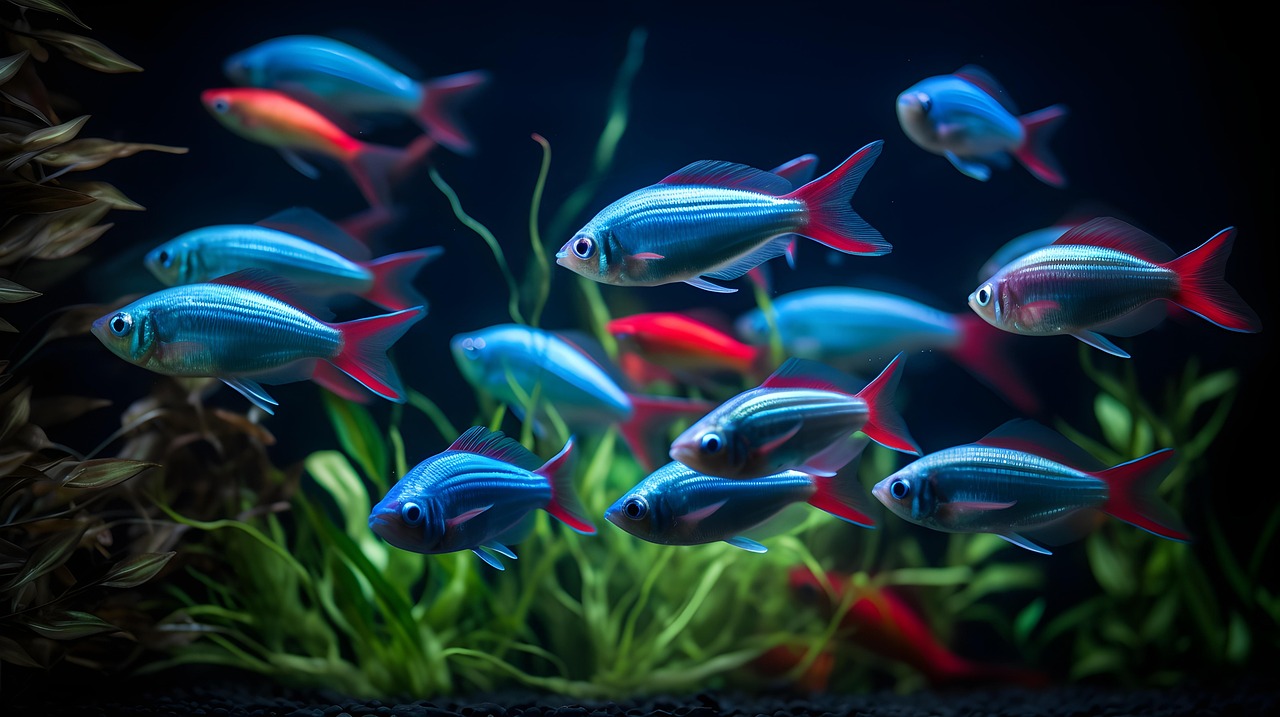
The Loreto Tetra is one of those hidden gems that quietly outshines more popular species once you see it in person. Hyphessobrycon loretoensis, native to the slow-moving tributaries of Peru’s Loreto region, displays a subtle golden body accented by a bold dark lateral stripe and flashes of iridescent colour. This loreto tetra care guide from Gensou Aquascaping at 5 Everton Park, Singapore, details how to keep this rare Peruvian sparkler healthy and looking its best in your planted tank.
Species Overview
Loreto Tetras belong to the vast Hyphessobrycon genus and remain relatively uncommon in the hobby. Adults reach just 3–4 cm, making them ideal nano tank candidates. Their understated beauty reveals itself under subdued lighting — a warm golden sheen overlaid with hints of copper and a distinctive dark stripe running from the gill plate to the caudal peduncle.
Wild specimens are occasionally available from specialist importers in Singapore, though captive-bred stock is gradually becoming more accessible. Expect to pay $5–$8 per fish when available.
Tank Setup
A group of eight or more thrives in a 60-litre tank or larger. Loreto Tetras prefer a densely planted environment with gentle water movement. Use fine-leaved plants like Rotala rotundifolia, Cryptocoryne species, and floating plants to replicate the shaded forest streams of their origin. A dark substrate — ADA Amazonia or similar aquasoil — enhances their colouration noticeably.
Driftwood and leaf litter (Indian almond leaves work perfectly) release tannins that tint the water amber, mimicking natural blackwater conditions. This is not just aesthetic; tannin-rich water supports immune health and encourages natural behaviour.
Water Parameters
Aim for a temperature of 24–28 °C, pH of 5.5–7.0, and GH below 8 dGH. Singapore’s soft, slightly acidic tap water is well suited to this species after proper dechlorination. If you are running an aquasoil substrate, the natural pH-lowering effect works in your favour here.
Filtration should be gentle — a sponge filter or a small hang-on-back with reduced flow rate prevents these small fish from being buffeted around. Weekly water changes of 20–25 % maintain stability without shocking the colony.
Diet
Loreto Tetras accept most small foods readily. A micro pellet or crushed flake forms the base diet, supplemented with frozen daphnia, baby brine shrimp and cyclops. Live foods trigger the most vibrant feeding response and condition fish for breeding. Feed small amounts twice daily — just enough that all food is consumed within two minutes.
Variety matters. Rotating between three or four different foods weekly ensures balanced nutrition and keeps the fish actively foraging rather than growing bored.
Schooling Behaviour
Like most small tetras, Loreto Tetras are obligate schooling fish. Groups fewer than six become shy and prone to stress-related illness. In a school of ten or more, their confidence transforms — they occupy the mid-water column openly, displaying natural shoaling patterns that bring a planted tank to life.
Males occasionally spar with flared fins, but these displays are harmless and entertaining. Providing ample swimming space along the tank’s length encourages the full range of social behaviour.
Compatible Tank Mates
Pair Loreto Tetras with other peaceful, small species. Corydoras catfish (especially Corydoras pygmaeus or C. habrosus), Otocinclus, small Rasboras, and dwarf shrimp like Neocaridina davidi make excellent companions. Avoid anything large enough to view them as food — even a medium-sized Angelfish may pick off the smaller individuals.
Breeding
Breeding Loreto Tetras in captivity is achievable but requires soft, acidic conditions. Set up a separate breeding tank of 20–30 litres with Java Moss or a spawning mop, pH around 6.0, and temperature at 26 °C. A conditioned pair will scatter eggs among fine-leaved plants at dawn. Remove the adults immediately after spawning, as they eat their own eggs readily.
Eggs hatch within 24–36 hours, and fry become free-swimming after another two days. Feed infusoria initially, graduating to freshly hatched brine shrimp nauplii within a week. Growth is slow but steady.
A Collector’s Tetra Worth Seeking Out
The Loreto Tetra will never compete with Neon Tetras for mass-market popularity, and that is part of its appeal. It rewards patient, detail-oriented hobbyists with quiet beauty and fascinating behaviour. For sourcing advice and planted tank designs that showcase rare tetras, Gensou Aquascaping is happy to assist.
Related Reading



