How to Aquascape a Shrimp Breeding Rack
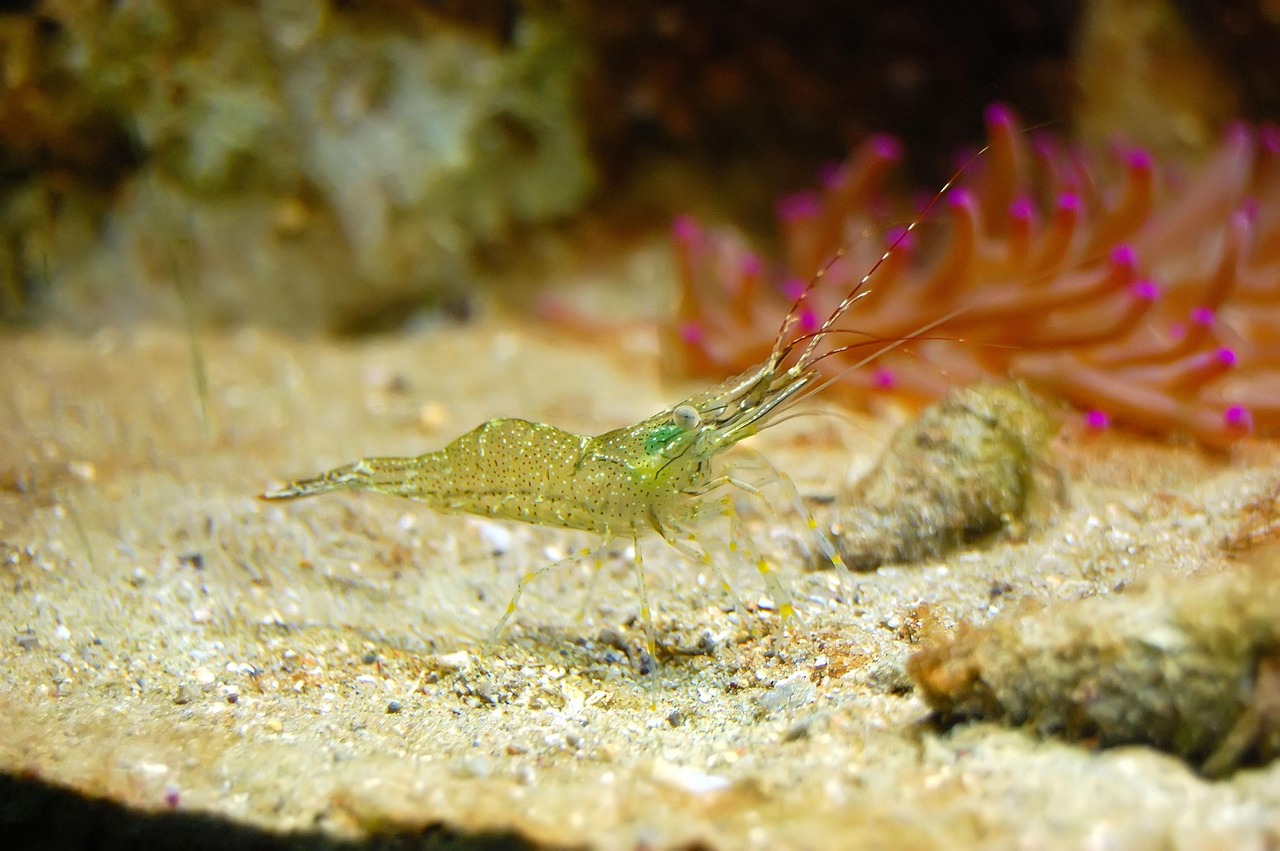
Shrimp breeding racks prioritise function: water quality, ease of culling, and efficient use of space. But functional does not have to mean ugly. A thoughtfully aquascaped breeding rack keeps shrimp healthier through biofilm surfaces and plant-based filtration while looking good enough to display in your living room. This aquascape shrimp breeding rack guide from Gensou Aquascaping in Singapore covers layout, plant choices, and practical design decisions that balance aesthetics with the realities of running 6-12 tanks on a single rack system.
Rack Layout Considerations
Most Singapore breeders run racks of 30-45 cm tanks, stacked two to three shelves high on steel or aluminium frames. Each tank typically holds 15-30 litres. Weight matters: a three-shelf rack with six 30-litre tanks adds up to around 200 kg when filled. Ensure your HDB or condo flooring can handle the concentrated load, and place the rack against a load-bearing wall. Keep the top shelf at a height where you can comfortably reach into the tank for maintenance. Anything above shoulder height makes netting and gravel vacuuming a chore.
Substrate Choices for Breeding Tanks
Active buffering substrates like ADA Amazonia, SL-Aqua, or Brightwell Aquatics shrimp soil maintain the low pH (5.5-6.5) and soft water that Caridina species demand. For Neocaridina varieties, inert substrates like fine gravel or sand work perfectly since these shrimp tolerate a wider pH range. Keep substrate depth shallow at 2-3 cm. Deep substrate traps waste and creates anaerobic pockets in small tanks where water volume is limited and waste accumulates quickly.
Hardscape: Minimal but Purposeful
Breeding tanks benefit from small pieces of cholla wood, alder cones, and Indian almond leaves rather than elaborate rock arrangements. Cholla wood provides hiding spots for berried females and surfaces for biofilm growth that shrimplets graze on from day one. One or two small pieces per tank is sufficient. Avoid large rocks that reduce water volume and make netting difficult. The goal is quick, unobstructed access to every corner of the tank during culling sessions, so keep the footprint of your hardscape compact.
Plants That Serve the Colony
Mosses are the undisputed champions of shrimp breeding tanks. Java moss (Taxiphyllum barbieri), Christmas moss (Vesicularia montagnei), and flame moss provide dense cover where shrimplets hide from larger tankmates and graze on microorganisms. Attach a golf-ball-sized clump to each piece of cholla wood. Floating plants like Salvinia minima or Ceratopteris thalictroides (water sprite) absorb excess nitrates and dim the light, reducing stress. Rooted stem plants are generally impractical in breeding racks because trimming takes time across multiple tanks and uprooting disturbs the substrate.
Filtration and Flow in a Rack System
Sponge filters are the standard for shrimp breeding, and for good reason. They cannot suck in shrimplets, they provide biological filtration surface area, and they are cheap to run on a single air pump split across all tanks via a manifold. Position the sponge filter in a rear corner to leave the front open for viewing and netting. Airflow should be gentle; excessive bubbling stresses shrimp and pushes shrimplets around the tank. One or two bubbles per second from the airline is enough. Some breeders add a small internal filter with a stainless steel mesh guard for additional mechanical polishing in tanks with heavy bioloads.
Lighting Across Multiple Tanks
Shrimp do not need intense lighting, and mosses grow well under moderate conditions. A single LED strip running across each shelf of the rack provides uniform coverage for all tanks on that level. Budget LED strips at $10-$15 per 60 cm unit from Shopee or Lazada are more than adequate. Colour temperature around 6,500 K shows shrimp colours accurately. Run lights for 6-8 hours daily; longer periods encourage algae in nutrient-rich shrimp tanks. Timers on each shelf let you stagger photoperiods if you prefer.
Aquascaping for Easy Maintenance
Resist the temptation to over-plant or over-decorate breeding tanks. Every element you add is something you must work around during weekly maintenance across multiple tanks. A simple layout of one moss-covered wood piece, a thin layer of substrate, and a floating plant mass takes under five minutes per tank to service. Multiply that by ten tanks and the time savings add up significantly. Label each tank clearly with species, grade, and generation to keep your breeding programme organised.
Making the Rack Visually Appealing
Consistency across the rack creates visual harmony. Use the same substrate, similar-sized hardscape, and the same moss type in every tank. Vary only the shrimp colour morph per tank. A rack of uniformly scaped tanks with different-coloured shrimp, from crystal red to blue bolt to orange-eye blue tiger, becomes a display piece rather than a utilitarian breeding operation. Add a black or frosted background film to each tank for cleaner contrast and to hide the cables and airlines running behind the rack. The result is a shrimp breeding rack that functions flawlessly and looks deliberately designed.
Related Reading