Yangtze River Biotope Aquascape: China’s Great River System
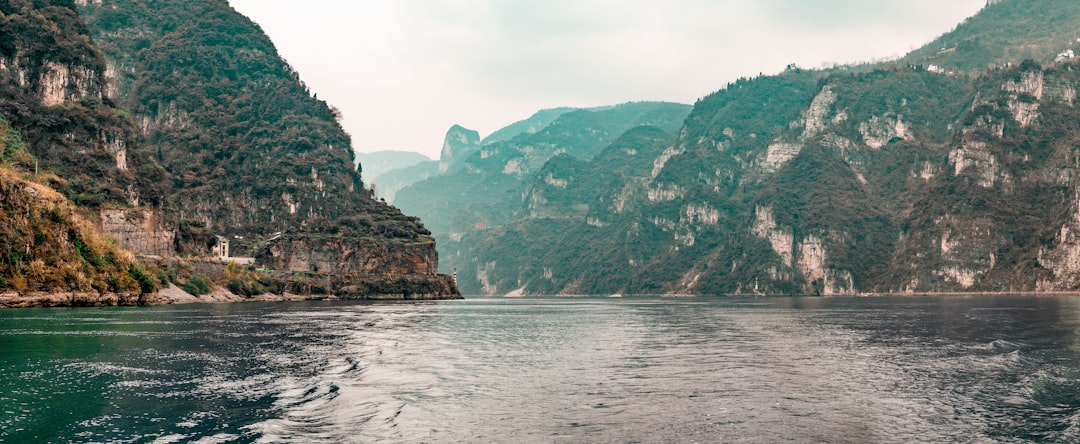
The Yangtze is Asia’s longest river, stretching over 6,300 km from the Tibetan Plateau to the East China Sea, and its tributaries shelter a remarkable diversity of freshwater life. A Yangtze River biotope aquascape brings that diversity into your home with native fish, regionally appropriate plants, and a layout that echoes the river’s varied habitats. This guide from Gensou Aquascaping at 5 Everton Park, Singapore, covers everything you need to recreate this iconic waterway.
Understanding the Yangtze’s Habitats
The river system includes fast-flowing mountain streams, slow subtropical tributaries, oxbow lakes, and vast floodplain marshes. Each habitat supports different species communities. For a home aquarium, the subtropical middle and lower reaches offer the most practical inspiration, as the species from these regions tolerate the warm temperatures common in Singaporean homes. Water in these sections tends to be neutral to slightly alkaline, moderately hard, and often turbid during the wet season.
Native Fish Species
White cloud mountain minnows (Tanichthys albonubes) are the most accessible Yangtze-region species, thriving in schools of 8-12 in tanks as small as 40 litres. Chinese barbs such as Puntius semifasciolatus, the gold or green barb, add mid-water activity and reach around 7 cm. For larger tanks, paradise fish (Macropodus opercularis) bring vivid colour and interesting breeding behaviour, though males can be territorial. Weather loaches (Misgurnus anguillicaudatus) make entertaining bottom dwellers, growing to 15-20 cm and responding actively to barometric pressure changes. Most of these species are readily available at shops around Serangoon North and online via Shopee.
Plants From the Region
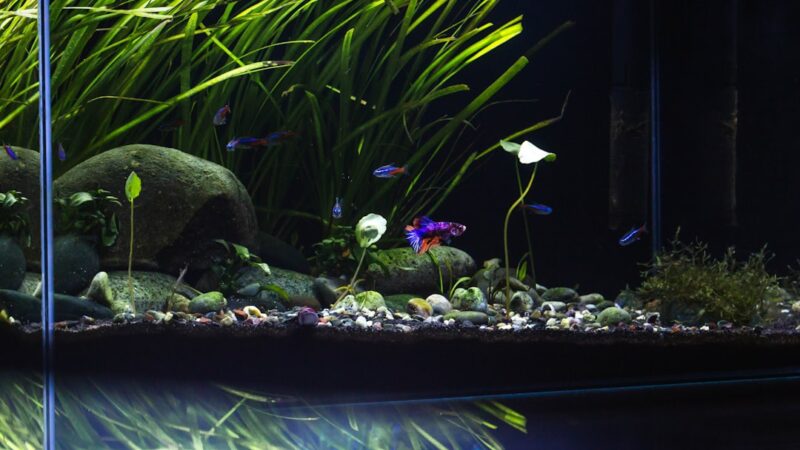
Vallisneria spiralis grows naturally in slow Yangtze tributaries and creates flowing background curtains with minimal care. Ceratophyllum demersum, hornwort, is another native that grows as a floating or anchored mass, providing cover for fry and small fish. Hydrilla verticillata occurs throughout the basin but can become invasive, so keep it contained. For a more manicured look, Eleocharis species represent the marsh grasses found along the river’s floodplain edges. All these plants tolerate Singapore’s ambient water temperature of 27-30 °C without issue.
Hardscape Choices
Rounded river cobbles in mixed sizes form the backbone of a Yangtze-style layout. Arrange larger stones to create gentle ridges and channels, mimicking the river’s stony shallows. Fine gravel or sand between the cobbles replicates natural sediment. Avoid jagged, angular rocks that suggest mountain streams unless you are specifically recreating an upper Yangtze tributary. Driftwood is appropriate in moderation, representing submerged branches along forested banks. Keep the layout open and flowing, reflecting the river’s breadth rather than enclosure.
Water Parameters and Temperature
Aim for pH 7.0-7.8, GH 6-12, and KH 4-8. Singapore’s soft tap water benefits from a small addition of remineraliser or the inclusion of limestone pebbles to raise hardness into the target range. Temperature is flexible: most middle-Yangtze species tolerate 20-28 °C, and Singapore’s ambient warmth keeps tanks naturally around 28-30 °C. White clouds and weather loaches prefer the cooler end, so a clip-on fan reducing temperature by 2-3 °C during the hottest months improves their long-term health.
Filtration and Current
Moderate flow suits the majority of middle and lower Yangtze species. A hang-on-back or small canister filter provides adequate circulation for tanks up to 120 litres. Position the outlet along the tank’s length to create a gentle downstream current. Avoid strong powerheads that push flow rates beyond what these relatively calm-water species experience naturally. Biological filtration is more important than mechanical power here: mature sponge media and ceramic rings handle the nitrogen cycle efficiently.
Feeding Your Yangtze Community
Yangtze natives are generally unfussy eaters. High-quality micro pellets and flakes form the staple diet, supplemented with frozen bloodworm, daphnia, and brine shrimp once or twice a week. Weather loaches appreciate sinking wafers and the occasional blanched courgette slice. Paradise fish hunt small invertebrates, so offering live or frozen foods keeps them in peak colour. Feed modestly to maintain water clarity, especially in a biotope tank where you may limit filtration for aesthetic reasons.
Creating Your Yangtze Display
A Yangtze River biotope aquascape combines accessible species, undemanding plants, and a naturalistic cobblestone layout that suits beginners and experienced hobbyists alike. The cultural significance of the river adds a storytelling dimension to your tank that generic community setups lack. Start with a school of white clouds, add a few barbs for movement, and let Vallisneria sway in the gentle current. Gensou Aquascaping can help you source species and design a layout that captures the spirit of China’s greatest river.
Related Reading