
Aquascaping With Tissue Culture Plants Only: Pest-Free Start
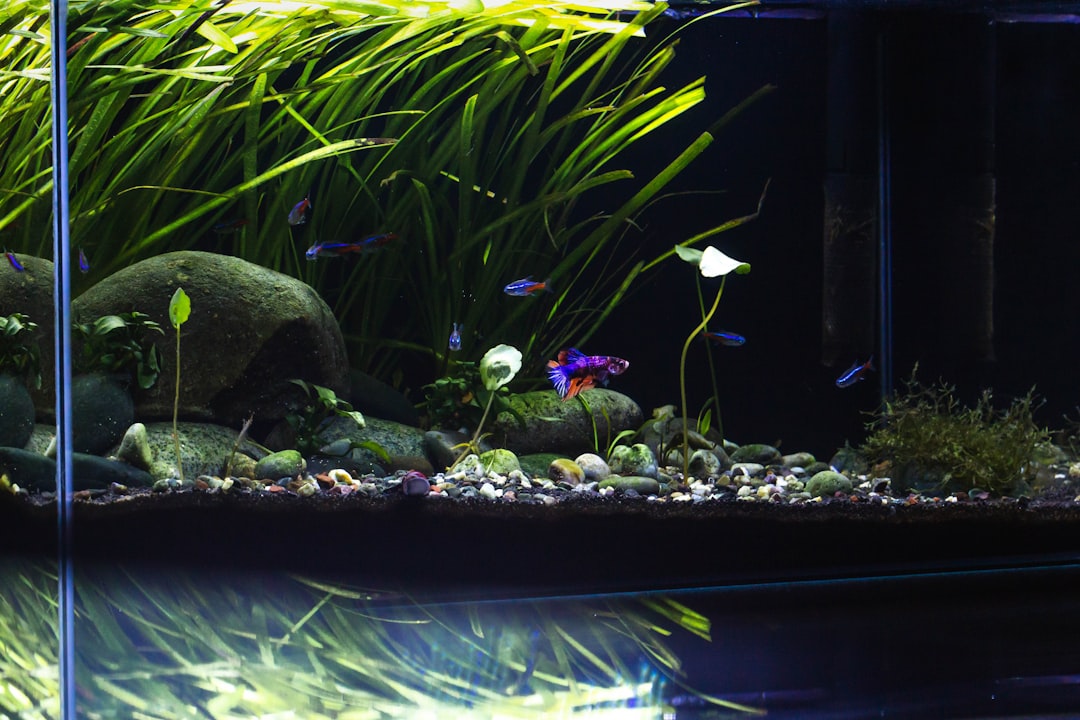
Snails, algae hitchhikers and pesticide residues — these are the unwelcome extras that come with conventionally grown aquarium plants. Tissue culture (TC) plants eliminate all three risks in one stroke. When you aquascape with tissue culture plants exclusively, you start with laboratory-grown, sterile specimens free from pests, pathogens and chemicals. Gensou Aquascaping in Singapore recommends this approach for anyone setting up a shrimp tank, a competition aquascape, or simply wanting a clean, controlled start to their planted aquarium.
What Tissue Culture Plants Are
TC plants are propagated in sterile laboratory conditions inside sealed cups filled with nutrient gel. Each cup contains dozens of tiny plantlets grown from meristem tissue — genetically identical clones of the parent plant. Because they have never been in contact with aquarium water, pond environments or outdoor nurseries, they arrive completely free of snail eggs, planaria, algae spores, hydra and pesticide contamination. Brands like Tropica 1-2-Grow!, Dennerle Plants and ADA Bio Mizukusa no Mori are the most widely available in Singapore.
Advantages Over Potted and Bunched Plants
Beyond pest freedom, TC plants offer remarkable value. A single cup of Hemianthus callitrichoides ‘Cuba’ typically contains enough plantlets to carpet a 20×20 cm area — buying the equivalent in potted form would cost two to three times as much. TC plants are also juvenile and highly adaptable, transitioning to submerged growth faster than emersed-grown potted plants that often melt before recovering. At $6-12 per cup from Shopee or local aquarium shops, the cost-per-plantlet ratio is hard to beat.
Selecting Species for Your Layout
Most popular aquascaping plants are available in tissue culture format. For carpeting, choose Eleocharis acicularis ‘Mini’, Micranthemum ‘Monte Carlo’, or Marsilea hirsuta. Mid-ground options include Cryptocoryne wendtii varieties, Staurogyne repens and Bucephalandra species. Background stems like Rotala rotundifolia, Ludwigia palustris and Hygrophila pinnatifida come in TC cups ready to plant. Even mosses and epiphytes — java moss, Christmas moss, Anubias nana ‘Petite’ — are available in sterile gel cups.
Preparing TC Plants for Planting
Remove the plantlets from the cup and rinse off all nutrient gel under running tap water. The gel is non-toxic but promotes bacterial growth if left in the tank. Gently separate the plantlets into small portions — typically 6-12 clumps per cup depending on the species. For carpeting plants, divide into 1-2 cm portions; smaller divisions spread faster than large clumps. Use fine-tipped aquascaping tweezers to plant each portion into the substrate at a slight angle. Work methodically from back to front, spacing clumps 2-3 cm apart.
The Transition Period
TC plants have been growing in high-humidity, aerial conditions inside their cups. Submerging them triggers a transition where existing leaves may melt or brown as new, true aquatic leaves develop. This is normal and not a sign of failure. Carpeting species like Monte Carlo and HC Cuba typically take 2-3 weeks to transition fully. Stem plants adapt faster, often within 7-10 days. Maintain stable conditions during this period: consistent lighting (8 hours), CO2 injection if available, and temperature around 25-27°C.
Avoid the temptation to move or replant stems that look unhealthy during transition — disturbing them resets the adaptation process.
CO2 and Fertilisation for TC Scapes
While TC plants technically grow without CO2, injection dramatically accelerates establishment and prevents the drawn-out melting phase. Even a basic DIY citric acid-and-baking-soda CO2 system ($30-50 on Lazada) makes a noticeable difference. Dose liquid fertiliser from day one — the nutrient gel is gone, and these young plants need immediate access to iron, potassium and micronutrients. Lean dosing (half the label recommendation) in the first two weeks prevents algae while plants are still establishing root systems.
Shrimp-Safe From Day One
One of the strongest arguments for an aquascape with tissue culture plants is shrimp safety. Conventionally grown plants are routinely treated with pesticides (particularly in Southeast Asian farms) that can kill Caridina and Neocaridina shrimp on contact. TC plants have never been exposed to pesticides, so you can add shrimp immediately after cycling without the usual quarantine-and-soak routine. For crystal red shrimp, Taiwan bees and other high-value Caridina varieties popular in Singapore, this peace of mind is worth the premium alone.
Planning Your Purchase
Check the production date on each cup — TC plants have a shelf life of roughly 6-8 weeks from packing. Cups stored too long develop yellowed or elongated plantlets that struggle after planting. Buy from shops with high turnover. For a 60 cm aquascape, budget 8-12 cups: 3-4 carpeting, 2-3 mid-ground, 2-3 background stems and 1-2 epiphytes. Place your order or visit the shop close to your planned planting day — TC cups should not sit on your shelf for weeks before use.
Related Reading



