
How to Breed Exclamation Point Rasboras: Tiny Eggs, Big Patience
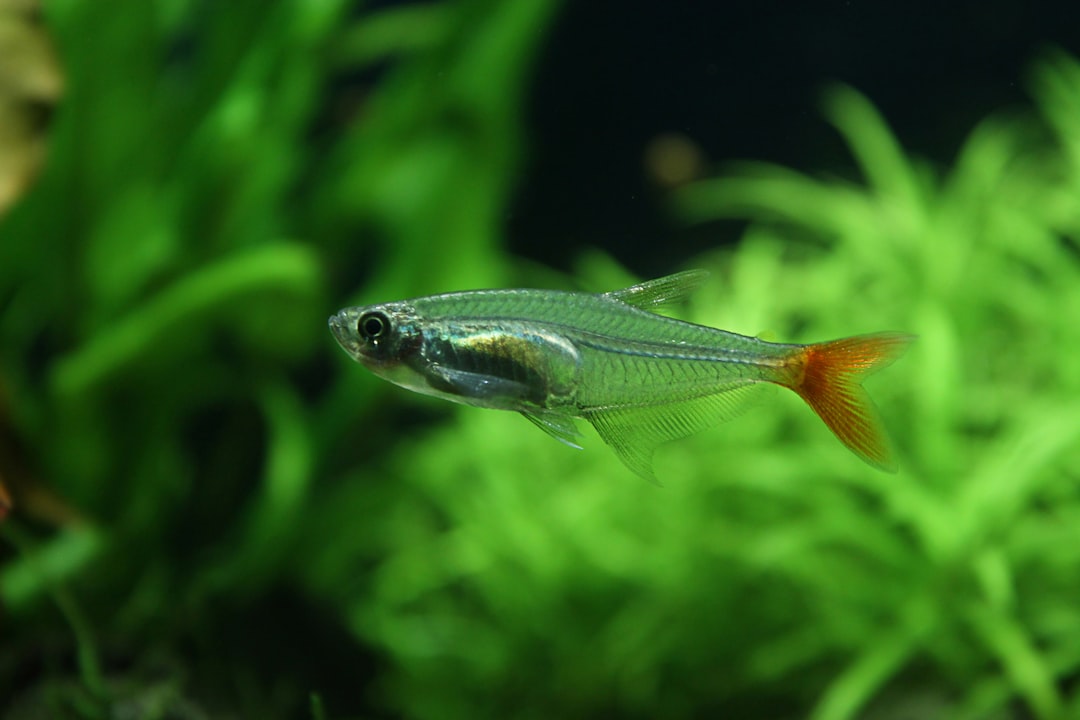
At barely 2 cm fully grown, Boraras urophthalmoides is one of the smallest fish you can keep, and breeding them is a rewarding challenge that tests your patience and precision. This breed exclamation point rasbora guide from Gensou Aquascaping at 5 Everton Park, Singapore, breaks down the conditioning, spawning, and fry-rearing process step by step. With over 20 years of hands-on experience, we have learned that success with these micro fish hinges on water chemistry and live food cultures more than anything else.
Why Breeding Exclamation Point Rasboras Is Worth the Effort
These nano rasboras are not commonly bred in captivity, making home-raised stock valuable for the local hobby community. Wild-caught specimens from Borneo and mainland Southeast Asia face collection pressure, so captive breeding contributes meaningfully to sustainability. A successful spawn also provides you with robust, locally adapted fish that handle Singapore tap water better than imported stock.
Conditioning the Breeders
Select the healthiest, most colourful adults from your shoal. Males display a deeper red-orange hue and are slimmer than the plumper females. Separate three males and three females into a dedicated conditioning tank of 20-30 litres. For two to three weeks, feed them exclusively high-quality live foods: micro worms, vinegar eels, and freshly hatched baby brine shrimp. Feed small amounts three times daily. You should notice the females becoming noticeably rounder as they develop eggs.
Setting Up the Breeding Tank
Prepare a 15-20 litre tank with aged, soft water at pH 5.0-6.0, GH below 4, and a temperature of 26-27 degrees C. Singapore tap water is already soft, so a small addition of Indian almond leaf extract or peat filtration brings the pH down to target. Add a clump of Java moss or a fine-leaved spawning mop to catch the tiny eggs. Use a sponge filter set to the gentlest possible flow. Dim the lighting, or cover three sides of the tank with dark card to reduce stress.
Spawning Behaviour
Introduce the conditioned group to the breeding tank in the evening. Spawning typically occurs at dawn over several mornings. Males chase females through the moss, and the pair trembles side by side as a few eggs are scattered among the fine leaves. Each female may produce only 10-20 eggs per session. The eggs are almost invisible to the naked eye, barely 0.5 mm across. Remove the adults after two to three days of spawning activity, as they will eat any eggs they find.
Egg and Fry Care
Eggs hatch in approximately 24-48 hours at 27 degrees C. The fry are minuscule and remain attached to surfaces by a yolk sac for another two to three days. Once free-swimming, they need infusoria or paramecium cultures, as even baby brine shrimp are too large initially. Maintain near-zero water flow and keep the tank dimly lit. After seven to ten days, the fry grow large enough to accept micro worms and newly hatched brine shrimp nauplii.
Growing Out the Fry
Growth is slow. Expect the fry to reach 1 cm at roughly eight weeks old. Perform 10 percent water changes every two days using water matched exactly in temperature and chemistry. Avoid siphoning near the bottom where fry tend to hover. A small colony of ramshorn snails helps clean uneaten food without threatening the fry. At three months, juveniles can join a community nano tank with other peaceful species.
Common Pitfalls
The most frequent failure is insufficient first food. Without a thriving infusoria or paramecium culture ready before the fry hatch, most will starve within 48 hours of becoming free-swimming. Start your culture at least a week before you expect spawning. Another common mistake is water that is too hard or alkaline, which reduces egg viability. Stick to pH below 6.0 and GH below 4 for the breeding tank.
Patience Pays Off
Breeding Boraras urophthalmoides is not a weekend project. From conditioning to sellable-size juveniles, the process takes roughly four months. But the satisfaction of raising these delicate micro fish from invisible eggs to glowing adults is immense. Follow this breed exclamation point rasbora guide closely, and you will have a colony to be proud of. For advice on live food cultures or nano breeding setups, speak to the team at Gensou Aquascaping.
Related Reading



