
How to Breed Cardinal Tetras: The Challenging Classic
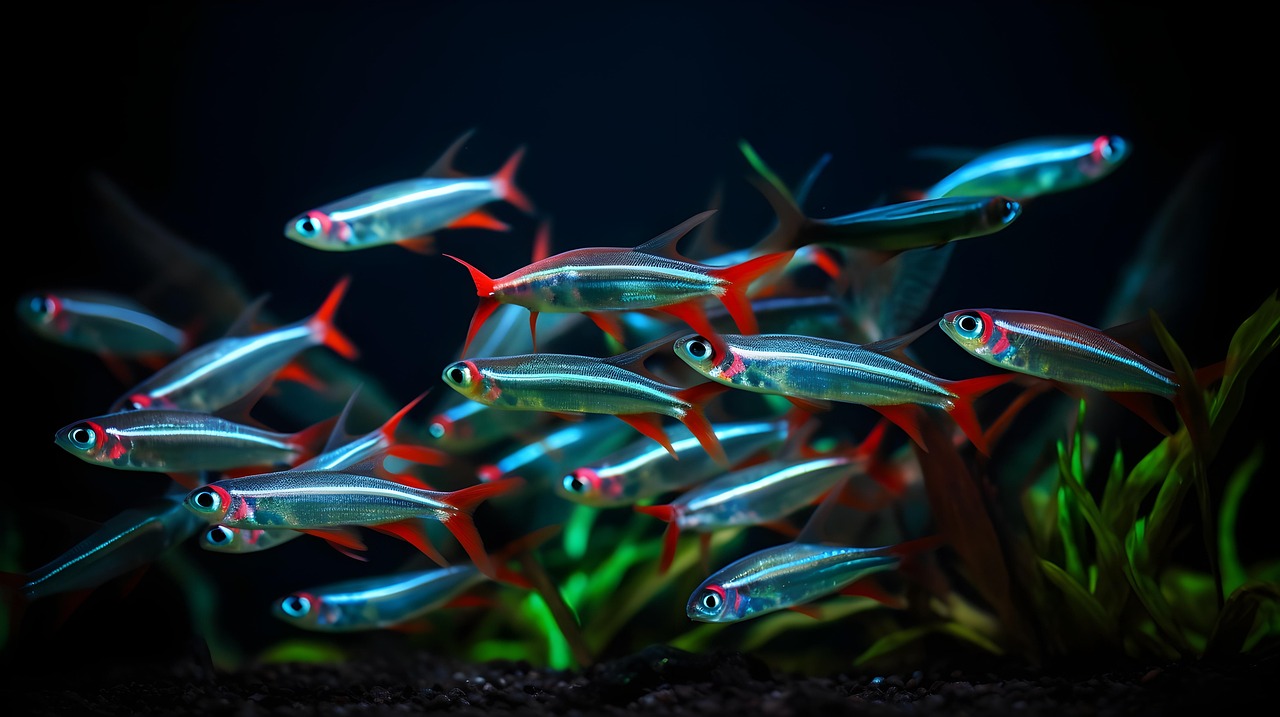
If breeding neon tetras is considered difficult, spawning Paracheirodon axelrodi — the cardinal tetra — sits a full notch higher on the challenge scale. Cardinals need even softer, more acidic water, and their eggs are notoriously fragile. Yet successfully raising a batch remains one of the hobby’s most respected achievements. This breed cardinal tetra guide from Gensou Aquascaping at 5 Everton Park, Singapore, lays out the precise steps, backed by over 20 years of hands-on experience with soft-water species.
Understanding the Difficulty
Cardinals are collected in enormous numbers from the Rio Negro basin in Brazil, where the water registers a pH below 5.0 and practically zero measurable hardness. Most commercially bred cardinals come from Czech or Southeast Asian farms that still replicate near-blackwater conditions. Home breeders must do the same. The eggs are extremely photosensitive and intolerant of bacteria, meaning pristine, very soft, very acidic water in near-total darkness is not optional — it is the baseline requirement.
Selecting and Conditioning Breeders
Choose adults aged 10-14 months. Cardinals are challenging to sex, but ripe females appear slightly fuller in the belly and often have a marginally shorter red band. Separate the sexes for two to three weeks and feed a protein-rich diet of frozen daphnia, grindal worms and baby brine shrimp daily. Well-conditioned females should look visibly plump when viewed from above. Using wild-caught specimens, if available through specialist importers, can improve genetic vigour and spawning success rates.
Breeding Tank Setup
Use a 15-20 litre all-glass tank, sterilised with a mild bleach solution and rinsed thoroughly with RO water. Place a mesh screen 2 cm above the base to protect falling eggs from the parents. Add a dense clump of Java moss or synthetic spawning mop. Filtration is a small air-driven sponge filter, run at the lowest possible flow. Wrap the tank entirely in dark paper or cloth — cardinals must spawn in near-complete darkness. Even brief exposure to room light during the egg stage causes high mortality.
Critical Water Parameters
Aim for pH 4.5-5.5, GH 0-1 and KH 0-1. Temperature should be 25-26 °C. Achieving this in Singapore requires pure RO water — our tap water at GH 2-4 is still too hard. Fill the breeding tank entirely with RO water, then lower pH using peat extract or Indian almond leaf concentrate. Some breeders age the water for a week with a handful of dried oak leaves. Conductivity of 20-50 microsiemens per centimetre is the target range. Test with a TDS meter, which you can pick up on Shopee for under $15.
Spawning Process
Introduce the pair in the late evening and leave the tank undisturbed. Spawning usually occurs during the darkest pre-dawn hours. The female scatters 100-200 adhesive eggs among the moss. Remove the adults as soon as you suspect spawning has occurred — shine a dim red-spectrum torch briefly if you must check. Fertile eggs are almost invisible at roughly 0.8 mm diameter. Add methylene blue at one drop per 10 litres to inhibit fungus, and return the tank to total darkness immediately.
Hatching and Early Fry Stages
Eggs hatch in approximately 24-30 hours at 25 °C. The larvae are minute, absorbing their yolk sac over the next three to four days. First food must be infusoria or a high-quality commercial liquid fry preparation — paramecium cultures are ideal if you have them running. After seven to ten days, transition to freshly hatched Artemia nauplii. Growth is slow; do not expect visible red and blue pigmentation until around week 10-12. Gradually increase ambient light starting from week three, adding a few hours of dim illumination daily.
Water Management During Rearing
Small daily water changes of 5-10% using matched RO water prevent ammonia build-up without shocking the fry. Siphon carefully with airline tubing, checking for fry before discarding any water. As the fry grow, you can slowly raise the GH and pH over several weeks toward normal community tank levels — this hardens them for eventual life in a display aquarium. By month three, the juveniles should tolerate pH 6.5-7.0 and GH 3-5 comfortably.
Patience and Realistic Expectations
Even experienced breeders report survival rates of 20-40% from egg to juvenile. Do not be discouraged by early failures — refining water chemistry and light control over successive attempts is part of the process. Each successful batch teaches you something about soft-water husbandry that transfers to other challenging species like chocolate gouramis or wild bettas. For RO systems, peat extracts and specialist breeding supplies in Singapore, Gensou Aquascaping can advise on sourcing.
Related Reading
- Cardinal Tetra vs Neon Tetra: Which Red Stripe Schooler to Choose
- How to Breed Ember Tetras: From Conditioning to Free-Swimming Fry
- How to Breed Green Neon Tetras: Soft Water Spawning Guide
- How to Breed Neon Tetras: Soft Water, Dim Light and Patience
- How to Breed Amano Shrimp: The Challenging but Rewarding Process



