
Gold Nugget Pleco Breeding Guide: L018 Cave Spawning Challenges
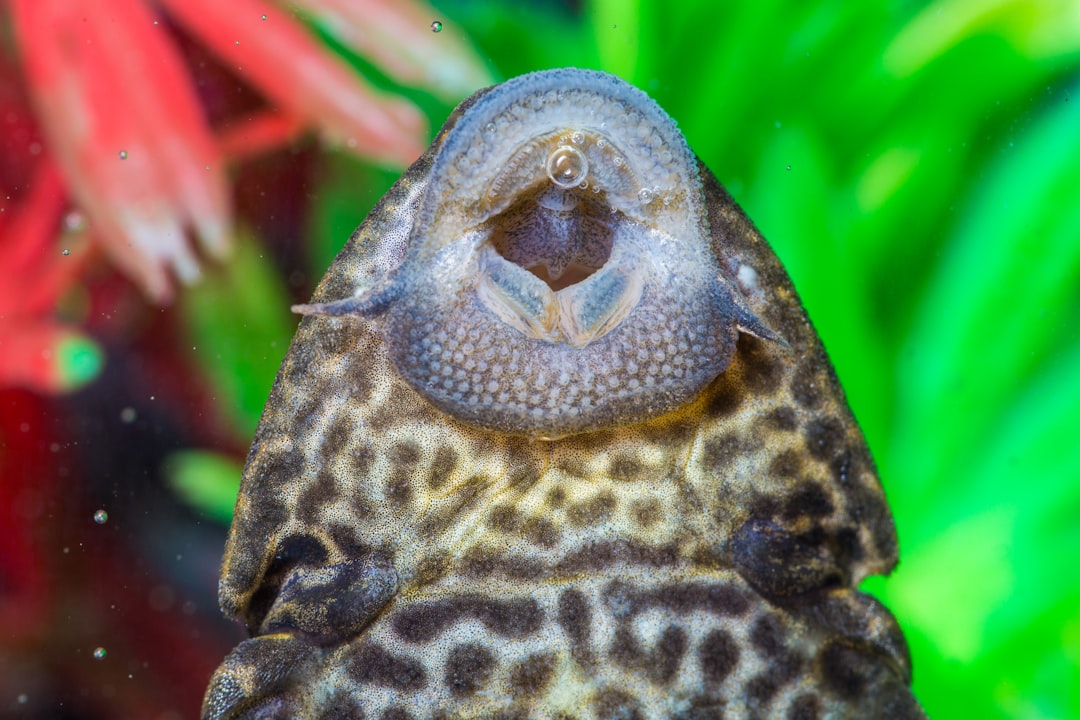
Breeding the gold nugget pleco (Baryancistrus xanthellus, L018) remains one of the holy grails of pleco keeping. Stunning yellow spots on a jet-black body make this fish a showpiece, yet successful captive breeding reports are scarce worldwide. This gold nugget pleco breeding guide from Gensou Aquascaping at 5 Everton Park, Singapore, covers the specific conditions, cave setups, and patience required to attempt spawning this challenging Loricariid. Be prepared — this is a long-term project measured in years, not months.
Why Gold Nuggets Are Difficult to Breed
Several factors conspire against easy breeding. Gold nugget plecos mature slowly, reaching breeding condition only at 3-4 years of age when they exceed 12 cm. They require very specific water parameters that mimic the warm, oxygen-rich rapids of the Rio Xingu in Brazil. Males are territorial and need established cave territories before they will even consider spawning. On top of this, distinguishing males from females is notoriously unreliable until the fish are fully mature.
Sexing Adult Fish
Mature males develop slightly broader heads with more pronounced odontodes (small bristle-like growths) along the pectoral fin spines and gill covers. Females tend to have a rounder body profile when viewed from above, particularly when gravid. These differences are subtle — examine your fish from multiple angles under good lighting. Keeping a group of 5-6 juveniles and growing them together over 2-3 years is the most reliable path to obtaining a breeding pair.
Tank and Water Requirements
Dedicate a tank of at least 300 litres to your breeding group. Temperature is critical: aim for 28-30 °C, which aligns conveniently with Singapore’s ambient room temperature — one of the rare advantages our climate offers for this species. The water must be soft and acidic: pH 5.5-6.5, GH 1-4, KH 0-2. Singapore tap water is already soft, but you may need to filter through peat or mix with reverse osmosis water to drop the pH sufficiently. Powerful filtration and additional powerheads create the high-oxygen, high-flow environment these fish need.
Cave Design and Placement
Spawning caves are non-negotiable. Use ceramic or slate caves with an opening just large enough for one adult to enter — approximately 6-7 cm diameter for a 15 cm fish. The cave interior should be snug, forcing the male to press against the eggs during incubation. Position caves against the back wall with the opening facing into the current. Provide at least one cave per male, plus extras. Males inspect and claim caves weeks before any spawning attempt, so install them well in advance.
Conditioning and Triggering Spawning
Feed heavily with a varied diet: sinking pellets, blanched courgette, sweet potato, and frozen bloodworms. Algae wafers alone are insufficient — L018 is more omnivorous than many hobbyists realise. To simulate the seasonal triggers of the Xingu, perform a large cool water change of 40-50% using water 2-3 °C cooler than the tank. Drop the water level by 10-15% for a few days, then refill slowly. Repeat this cycle weekly over 4-6 weeks. Some breeders report success after adding an airstone directly beneath the spawning cave to boost localised oxygen levels.
Spawning and Egg Care
If everything aligns, the female enters the male’s cave and deposits 20-50 large, bright orange eggs on the ceiling or walls. The male then guards and fans the eggs for 7-10 days until hatching. Do not disturb the cave during this period — even shining a torch inside can cause the male to abandon the clutch. Maintain stable water parameters and keep tank traffic low. The male rarely eats while guarding, which is normal behaviour.
Raising Fry
Newly hatched fry carry a substantial yolk sac and do not need food for the first 5-7 days. Once free-swimming, offer crushed algae wafers, spirulina powder, and blanched vegetables cut into tiny pieces. Fry grow slowly — reaching 3 cm takes around 4-5 months. Keep them in the breeding tank or a dedicated grow-out tank with pristine water, gentle filtration, and plenty of hiding spots. Juvenile gold nuggets are sensitive to nitrate; keep it below 10 ppm.
Realistic Expectations
Most hobbyists who attempt breeding L018 invest 2-4 years before seeing a first spawn, and many never succeed at all. This is not a failure of skill — it reflects the genuine difficulty of replicating Rio Xingu conditions in a glass box. Even partial success, such as a male that claims a cave and shows guarding behaviour, represents meaningful progress. The Singapore aquarium community values captive-bred gold nuggets enormously, with juveniles fetching $80-150 each on Carousell. Gensou Aquascaping considers this species one of the ultimate challenges in the hobby — and one well worth attempting.
Related Reading



