
Doras Catfish Care Guide: Armoured Giants With Character
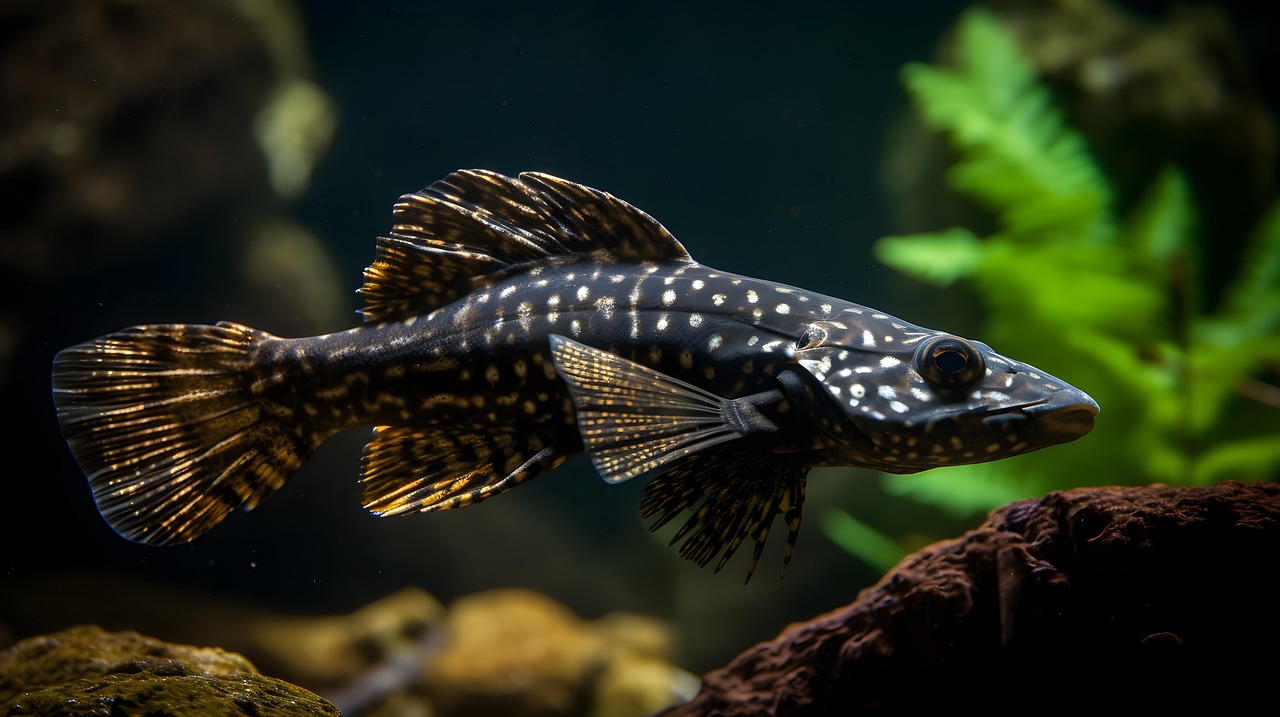
Doradidae catfish — commonly called doras or talking catfish — are among the most characterful bottom-dwellers you can keep. Encased in bony armour with serrated pectoral spines, they grunt audibly when handled and can live for decades. This doras catfish care guide from Gensou Aquascaping at 5 Everton Park, Singapore, covers the most popular species in the family, from the manageable striped Raphael to the tank-busting ripsaw catfish. Choosing the right species for your setup is everything.
Popular Doras Species
The striped Raphael catfish (Platydoras armatulus) is the most commonly kept doradid, reaching 20-24 cm and suitable for tanks of 250 litres or more. The spotted Raphael (Agamyxis pectinifrons) stays slightly smaller at 15-18 cm. Both are excellent community fish. At the larger end, Oxydoras niger (ripsaw catfish) and Pterodoras granulosus can exceed 60 cm — these require tanks upward of 1,000 litres and are only for dedicated keepers with the space to house them long-term.
Tank Setup
All doradids are nocturnal and spend daylight hours hidden in caves, pipes, or dense driftwood tangles. Provide at least one snug hiding spot per fish — PVC pipe sections of appropriate diameter work well and are easy to clean. Use sand or fine gravel substrate, as these catfish forage by sifting through the bottom material at night. Avoid sharp-edged substrates that could damage their barbels. Dim lighting or floating plants to reduce brightness makes them more likely to emerge during the day.
Water Parameters
Doradids are remarkably hardy and tolerate a wide range of conditions. pH 6.0-7.5, GH 4-15, and temperatures of 24-28 °C suit most species. Singapore’s tap water, once dechlorinated, falls comfortably within these ranges — no special adjustments needed. Weekly water changes of 25-30% maintain good quality. These fish produce moderate waste, so filter capacity should handle the bioload with headroom. A canister filter rated for 1.5 times your tank volume is a sensible choice.
Diet and Feeding
Doras catfish are omnivorous scavengers. Offer sinking pellets or wafers as the staple, dropped into the tank after lights-out to ensure they reach the catfish before diurnal tankmates grab everything. Supplement with frozen bloodworms, prawns, and earthworms for protein. Blanched vegetables like courgette and cucumber provide fibre. Larger species like Oxydoras accept whole market prawns and mussel meat. Feed every evening — these catfish have healthy appetites and underfed individuals become thin across the head, which is visible even through the armour plates.
Handling Precautions
Never net a doras catfish. Their serrated pectoral and dorsal spines lock rigidly when the fish is stressed, and they will tangle hopelessly — and painfully — in any net material. Use a plastic container or bucket to scoop the fish during tank maintenance or transfers. The spines can puncture skin and deliver a mild venom that causes localised swelling and sharp pain lasting several hours. Wear thick gloves if you must handle them directly. This is not a sign of aggression; it is purely a defensive reflex.
Tankmates
Striped and spotted Raphaels coexist peacefully with most community fish too large to be swallowed. Good companions include medium cichlids, larger tetras, barbs, and other catfish like Synodontis or Corydoras. Avoid keeping them with very small fish such as neon tetras — at night, the catfish’s foraging instinct may lead it to consume sleeping nano fish. Doradids are generally tolerant of conspecifics and can be kept in groups, which makes them bolder and more visible.
Longevity and Growth
This is a commitment fish. Platydoras armatulus routinely lives 15-20 years in captivity, and there are verified records of individuals exceeding 25 years. Growth is moderate after the juvenile stage — a 5 cm fish from a Singapore shop will reach 15 cm within two years and then slow considerably. Factor in this lifespan when planning your tank. A striped Raphael purchased today may still be swimming when the tank it lives in has been replaced three times over.
Where to Buy in Singapore
Striped Raphaels are widely available at local fish shops and typically cost $5-12 for juveniles. Spotted Raphaels are slightly less common but appear regularly on Shopee and at shops around Serangoon North. Larger species like Oxydoras are rare imports — expect $40-80 for juveniles when they do appear. Always inspect for sunken bellies and damaged barbels before purchasing. Gensou Aquascaping recommends quarantining all new catfish for at least two weeks, as doradids can carry parasites without showing obvious symptoms.
Related Reading



