Aquascaping With Hardscape and Moss Only: No Rooted Plants
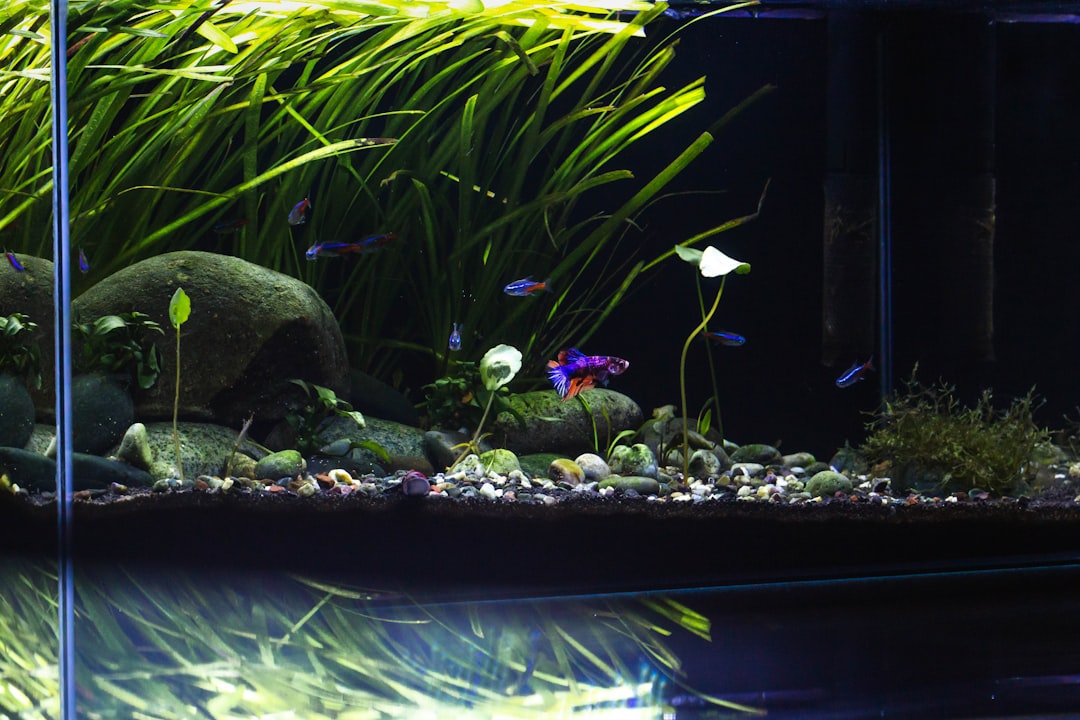
Stripping an aquascape down to just rock, wood, and moss forces you to master the fundamentals — proportion, negative space, and texture. An aquascape with hardscape and moss only eliminates the complexity of substrate fertilisation, stem trimming, and CO2 injection while still producing a tank that looks polished and intentional. Gensou Aquascaping in Singapore has used this minimalist approach for client installations where low maintenance is a priority, and the results consistently impress.
Why Skip Rooted Plants?
Rooted plants demand nutrient-rich substrate, regular fertilisation, and often CO2. Moss, by contrast, absorbs nutrients directly from the water column, grows on virtually any surface, and thrives under moderate light. Removing rooted plants also means you can use inert sand or bare-bottom setups, simplifying cleaning and reducing long-term substrate replacement costs. For busy professionals or commercial display tanks, this approach cuts maintenance time in half.
Choosing Your Hardscape
With no plants to soften edges, your hardscape does all the visual heavy lifting. Select one type of stone and one type of wood — mixing too many materials looks cluttered. Seiryu stone paired with slim spider wood is a classic combination. Dragon stone with dark driftwood creates a more dramatic, cave-like feel. Source stones in a range of sizes — one dominant piece, two medium supporting pieces, and several small accent rocks — following the classic golden ratio layout principles.
Moss Species That Work Best
Taxiphyllum barbieri (Java moss) is the easiest and most forgiving, tolerating low light and warm Singapore water without complaint. Christmas moss (Vesicularia montagnei) grows in a more triangular, layered pattern that photographs beautifully. Flame moss (Taxiphyllum sp. “Flame”) grows vertically, adding height to rocks and wood. Riccardia chamedryfolia (mini pellia) forms compact, dark-green cushions but grows slowly and prefers cooler water — a fan may help in warmer months.
Attachment Methods
Super glue gel (cyanoacrylate) is the fastest method — press a thin layer onto dry rock or wood, place the moss, and hold for 15 seconds. The glue cures aquarium-safe and bonds firmly. Cotton thread works for larger surfaces; it decomposes over four to six weeks as the moss attaches naturally. Fishing line is permanent and invisible on dark hardscape. Avoid using thick clumps; spread the moss thinly for better initial attachment and more even growth.
Layout Principles Without Plants
Follow the rule of thirds: position your main hardscape piece at the one-third or two-thirds line rather than dead centre. Create depth by placing larger elements toward the rear and smaller accent stones forward. Leave open sand areas in the foreground — this negative space is essential when moss is your only greenery. A thin sand pathway winding through the hardscape adds perspective and draws the eye into the layout.
Lighting and Maintenance
Moderate lighting (40-60 PAR at substrate level) is sufficient for most mosses and discourages algae on exposed hardscape surfaces. Run lights for 7-8 hours daily. Without rooted plants consuming nutrients, excess nitrate and phosphate can fuel algae growth on rocks. Weekly 30 % water changes and a modest fish load keep nutrients in check. Trim moss every three to four weeks by pinching off overgrown sections — untrimmed moss eventually detaches under its own weight.
Fish and Invertebrates for a Moss Scape
Shrimp are the ideal inhabitants. Neocaridina davidi (cherry shrimp) graze biofilm off rocks and groom moss meticulously. A colony of 20-30 in a 40-litre tank provides constant activity without heavy bioload. Small rasboras like Boraras brigittae add colour and movement in the upper water column. Avoid large or boisterous fish that uproot moss — a single curious angelfish can strip your work in a day.
The Appeal of Less
A hardscape-and-moss aquascape has a quiet, contemplative quality that busier planted tanks lack. Every stone placement, every tuft of moss becomes a deliberate design choice. Maintenance is genuinely minimal — no trimming stems, no dosing macros, no replacing exhausted substrate. For hobbyists who want a beautiful tank without the weekly grind, this style proves that restraint can be the most powerful tool in aquascaping.
Related Reading