
Aquascaping With Bamboo Hardscape: Poles, Tubes and Natural Lines
Bamboo is one of the most visually distinctive hardscape materials an aquascaper can use — its clean cylindrical form, natural segmentation, and warm honey-to-dark-brown tones produce lines that no stone or driftwood can replicate. An aquascape with bamboo hardscape sits somewhere between the natural forest aquascape and Japanese-influenced minimalism, with the characteristic vertical or diagonal poles creating strong compositional anchors. Gensou Aquascaping in Singapore has designed bamboo-hardscape tanks for both hobbyist and commercial display settings, and done correctly, the results are immediately striking.
Choosing the Right Bamboo for Aquarium Use
Not all bamboo is suitable for submerged aquarium use. Fresh or living bamboo decomposes rapidly underwater, releasing ammonia and creating severe water quality problems. The bamboo to look for is dried, cured bamboo poles — typically sold for garden and craft use — that have been fully seasoned with no green tissue remaining. Bamboo poles 2–4 cm in diameter work best for smaller tanks (60–90 cm); larger 5–8 cm diameter poles suit 120 cm and above displays. Dried bamboo is available at Daiso, gardening suppliers, and some art supply shops in Singapore for $3–$15 per pole depending on length and diameter.
Preparing Bamboo for Aquarium Submersion
Even dried bamboo requires preparation before it enters a tank with fish. Soak it in a bucket of water for one to two weeks, changing the water daily. This leaches out residual tannins and surface compounds and allows the bamboo to waterlog — without this, dry bamboo floats persistently. Some aquascapers seal the cut ends with aquarium-safe silicone or epoxy resin to prevent interior decomposition, which can proceed even in dried cane if water penetrates the hollow centre. Weigh the bamboo down with rocks during soaking to ensure even waterlogging. After soaking, inspect for any soft spots or discolouration that might indicate rot — discard any compromised sections.
Compositional Approaches: Vertical, Diagonal, and Clustered
Three main compositional modes work well with bamboo hardscape. Vertical poles planted straight into the substrate create a forest-column effect — use odd numbers (3, 5, 7 poles) of varying heights, grouped asymmetrically to the left or right of centre. Diagonal placement at 45–70° angles suggests fallen timber or eroded riverbanks, and produces more dynamic lines that lead the eye across the composition. Clustered bundles — three to five thin poles lashed together with cotton cord or fishing line — create a unified element that reads as a single structural feature from a viewing distance. Combine approaches in a single scape for maximum visual interest.
Anchoring Bamboo in the Substrate
Bamboo poles are buoyant until fully waterlogged and need anchoring even after soaking. For vertical arrangements, pushing the pole base 4–6 cm into a deep substrate layer (8–10 cm of aquasoil works well) and then placing stones against the base provides stability. For diagonal pieces, tying fishing line from the bamboo to a weighted stone hidden beneath the substrate gives a clean look with no visible support. Avoid using metal wire for ties — even stainless wire can cause localised water quality issues over time. Natural jute twine breaks down eventually; monofilament fishing line 5–8 kg test is invisible and durable.
Plants That Pair Well With Bamboo
The clean geometric lines of bamboo hardscape are best complemented by plants with contrasting texture: fine-leaved mosses, feathery stem plants, and rosette plants with broad leaves. Java moss or Christmas moss growing over bamboo surfaces softens the hard lines and adds a sense of age and naturalness. Microsorum pteropus (Java fern) varieties attached to bamboo work beautifully — their rhizomes hold well without soil, and the broad lance-shaped or forked fronds contrast with the cylindrical pole. Avoid carpeting plants in a bamboo scape; the horizontal carpet competes with the strong vertical or diagonal lines of the hardscape.
Fish and Shrimp Compatibility
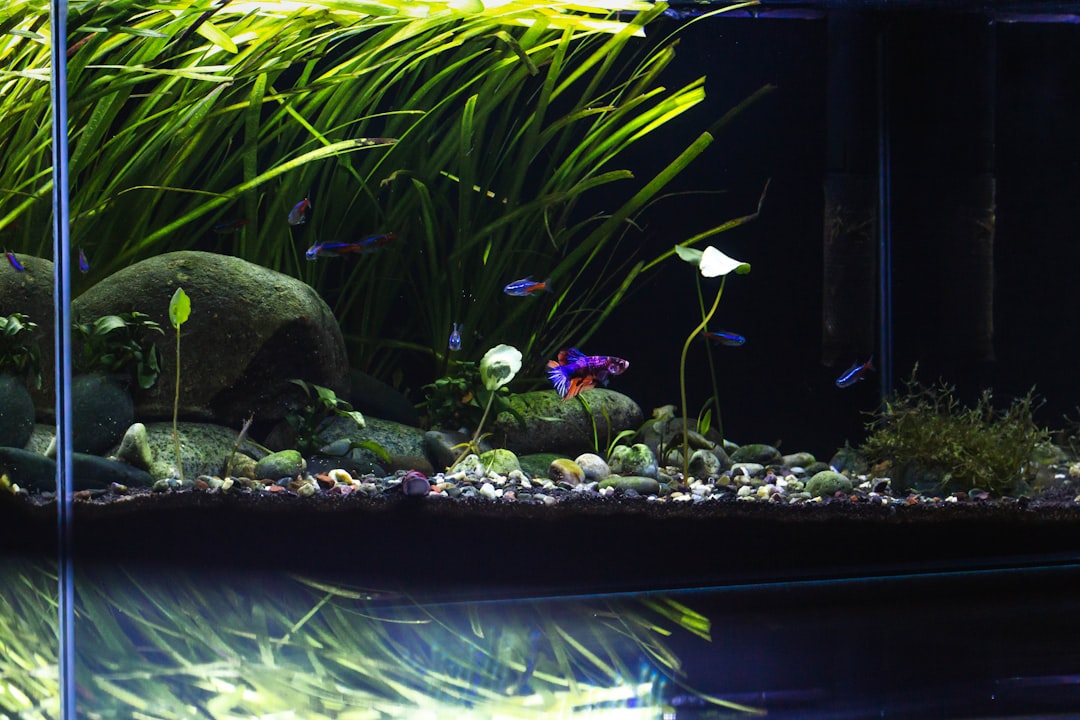
Bamboo hardscape provides shelter and territory boundaries for fish without the sharp edges of some stone aquascapes. Small schooling fish — ember tetras, rasboras, celestial pearl danios — use bamboo poles as reference points for their shoaling patterns and look naturalistic against the Asian-inspired aesthetic. For shrimp tanks, bamboo creates climbing structures and foraging surfaces; Neocaridina cherry shrimp grazing over moss-covered bamboo produce one of the most charming micro-aquascape visuals available. Avoid large digging cichlids that will uproot the carefully positioned poles.
Longevity and Ongoing Maintenance
Properly prepared bamboo can last two to four years submerged before showing significant softening or deterioration. Inspect bamboo poles every three to six months by pressing firmly with a finger — any give indicates advancing decomposition. Remove deteriorating sections before they soften enough to crumble into the substrate. Some aquascapers deliberately replace bamboo periodically as a creative reset — swapping out a three-year-old darkened and moss-covered arrangement for fresh pale poles produces an interesting contrast between the aged and the new. Treat bamboo hardscape as a semi-permanent element with a natural lifespan, not a permanent structure like stone.
Related Reading
- How to Aquascape for Bamboo Shrimp: Flow Corridors and Filter Perches
- Hardscape Dry Layout Tips: Plan Before You Fill
- Aquascaping With 3D-Printed Hardscape: Custom Shapes Underwater
- Aquascaping With Coconut Shells: Natural Caves and Hiding Spots
- Aquascaping With Hardscape and Moss Only: No Rooted Plants



