
Paracyprichromis Nigripinnis Care Guide: Neon-Tipped Tanganyikan
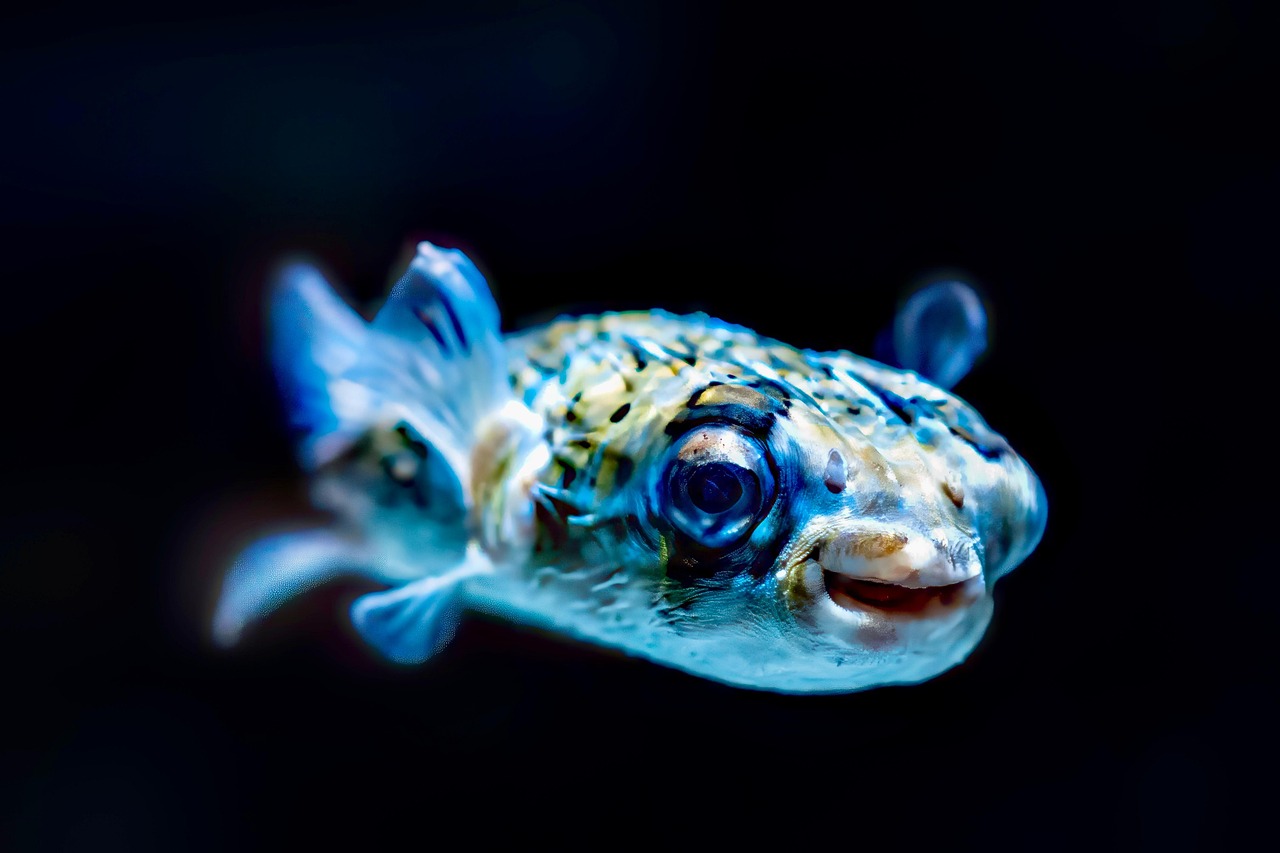
Hovering in shimmering shoals above rocky ledges, Paracyprichromis nigripinnis brings a grace to Lake Tanganyika setups that few cichlids can match. This paracyprichromis nigripinnis care guide from Gensou Aquascaping at 5 Everton Park, Singapore, details how to recreate the conditions these delicate schoolers need. Males flash electric blue fin tips during courtship — a subtle display that makes up in elegance what it lacks in raw colour intensity. If you appreciate refined behaviour over brute force, this species belongs on your shortlist.
Origin and Natural Behaviour
Paracyprichromis nigripinnis is found along the steep rocky coasts of Lake Tanganyika, often at depths of 20-40 metres. They form loose schools that drift above boulder fields, feeding on zooplankton in the water column. Unlike most Tanganyikan cichlids, they are not territorial in the conventional sense — males compete through display rather than combat. This peaceful disposition makes them a refreshing alternative to the often aggressive rift lake cichlid community.
Tank Setup
A 200-litre tank suits a group of 8-12 specimens, though 300 litres gives them room to school naturally. Stack rocks to create vertical faces and overhangs that mimic their lakeside habitat. Leave the upper water column open — these fish spend most of their time hovering midwater, only retreating into crevices when threatened. Dim lighting or floating plants help reduce skittishness. Sand substrate is standard for Tanganyikan setups, and a dark colour brings out the fish’s neon accents effectively.
Water Parameters
Lake Tanganyika water is hard and alkaline: target pH 8.0-9.0, GH 12-20, and KH 14-20. Temperature should sit between 24-27°C. Singapore’s PUB tap water is far too soft for this species, so you will need to buffer generously. A Tanganyika salt mix or a blend of baking soda, Epsom salt, and marine salt achieves the right chemistry. Stable parameters matter enormously — these fish are sensitive to fluctuations, particularly in pH and KH. Consistent weekly water changes of 20-25% are safer than large irregular ones.
Diet
Their natural diet of zooplankton translates to small, protein-rich foods in the aquarium. High-quality micro pellets, frozen cyclops, and baby brine shrimp form an excellent base. Daphnia offered once or twice a week adds variety. Avoid large pellets — Paracyprichromis have small mouths relative to their body size of 8-10 cm. Feed small portions two to three times daily to mimic their constant grazing habit. Overfeeding leads to water quality issues quickly in the hard, alkaline conditions these fish require.
Social Dynamics and Tankmates
Keep P. nigripinnis in groups of at least eight. Smaller numbers result in nervous, pale fish that hide constantly. Males display to each other with flared fins and intensified neon blue tips, but actual aggression is minimal. Excellent tankmates include shell-dwelling Lamprologus species such as Neolamprologus multifasciatus, which occupy the bottom zone without competing. Avoid boisterous species like Tropheus or large Frontosa that may intimidate them. The goal is a layered community where each species claims its own water level.
Breeding
Spawning occurs in rock crevices. The male guides a receptive female into a narrow gap, where she deposits eggs on the ceiling of the cavity. She is a maternal mouthbrooder, collecting the eggs immediately after fertilisation and holding them for 21-28 days. Clutch sizes are small — typically 5-15 fry. The fry are tiny and need infusoria or liquid fry food for the first week before graduating to freshly hatched brine shrimp. Survival rates improve significantly in a dedicated breeding tank with no competing species.
Common Challenges
Stress and poor water quality are the main threats. Stressed Paracyprichromis lose colour rapidly and become susceptible to bacterial infections. Avoid sudden changes to the tank environment — even rearranging rocks can trigger days of hiding. Bloat is a risk with all rift lake cichlids, so maintain a clean tank and balanced diet. In Singapore’s humid climate, evaporation can concentrate minerals over time; monitor TDS between water changes and top up with RO or distilled water rather than treated tap water.
Is This Species Right for You?
Keeping Paracyprichromis nigripinnis requires more attention to water chemistry than many tropical community fish, but the reward is a uniquely graceful display. Their schooling behaviour, neon-tipped fins, and gentle temperament offer something genuinely different. For Singapore hobbyists seeking guidance on rift lake species, Gensou Aquascaping provides the expertise needed to make these Tanganyikan gems flourish.
Related Reading



