
Mekong Delta Biotope Aquascape: Southeast Asian Floodplain
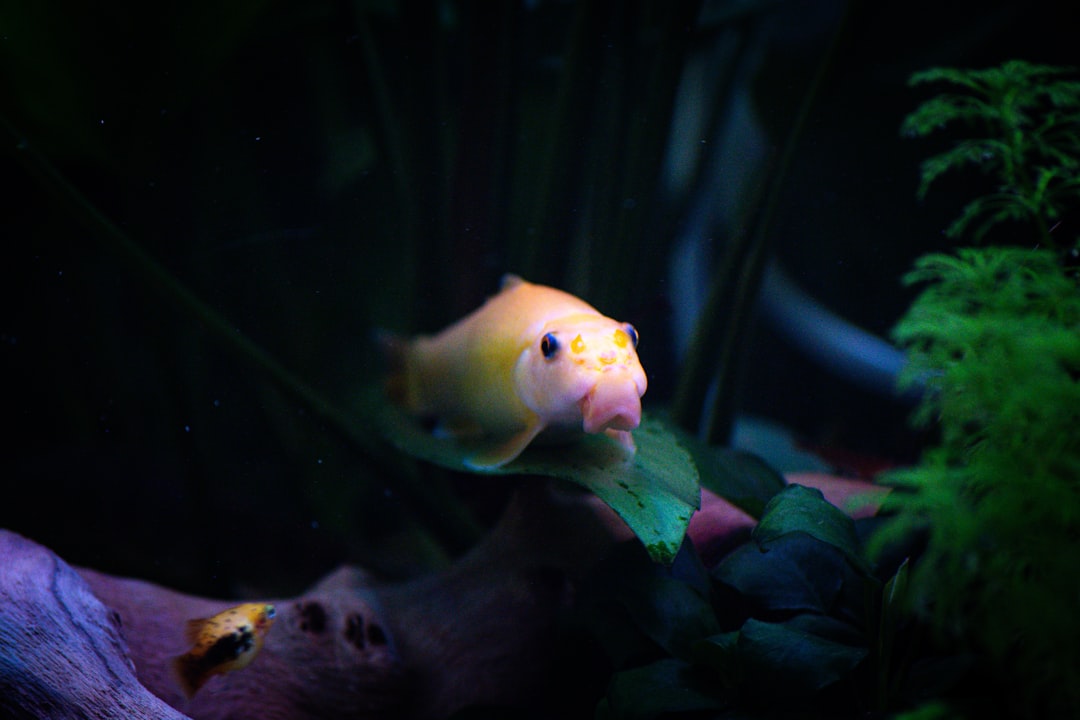
The Mekong Delta — sprawling across southern Vietnam, Cambodia, and Laos — is one of the most biodiverse freshwater environments on Earth. Its flooded forests, turbid channels, and seasonal rice paddies host an extraordinary range of fish species, many of which are familiar faces in Singapore aquariums: giant gourami, various barbs, loaches, and wild bettas all share Mekong origins. A Mekong Delta biotope aquascape captures this regional character — murky, warm, plant-dense, and ecologically coherent. This guide from Gensou Aquascaping at 5 Everton Park, Singapore walks through how to build one authentically.
Understanding the Mekong Environment
The delta’s water chemistry varies dramatically by season and location. Main channels carry warm, turbid water with moderate hardness (GH 4–8) and near-neutral pH (6.8–7.4). Flooded forest margins — where most aquarium-relevant species originate — are warmer (28–32°C), tannin-stained, softer, and slightly acidic. Visibility is rarely more than 30–50 cm in the wild. This is not a high-clarity, CO2-injected aquascape environment — it is dense, organic, and rich with decomposing leaf matter.
Singapore’s ambient temperature of 28–32°C and soft, slightly acidic PUB tap water are actually a surprisingly good starting point for this biotope without any parameter manipulation beyond dechlorination.
Substrate and Hardscape
A sand-dominant substrate suits the floodplain habitat best — fine river sand in light tan or cream tones, 3–5 cm deep, mimics silted riverbeds. Add patches of dark substrate (aquasoil or black sand) in shaded areas under leaf litter to suggest deeper organic deposits. Hardscape should be minimal: a few smooth river stones and sections of submerged driftwood — specifically thinner, branching pieces rather than massive centrepieces — capture the character of submerged riverside timber. Avoid volcanic rock, dragon stone, or other materials not found in Southeast Asian river systems.
Plants: Authentic Mekong Species
Stick to plants with genuine Mekong or broader Southeast Asian origins. Cryptocoryne species are the backbone — C. wendtii, C. retrospiralis, and C. crispatula all occur in slow-moving Southeast Asian waterways. Vallisneria sp. works for mid-ground grass-like texture. Floating plants — Salvinia natans, water lettuce (Pistia stratiotes), and water hyacinth — are ecologically accurate for the floodplain surface. Avoid South American plants (Amazon swords, Brazilian pennywort) and African species — a true biotope maintains geographic integrity.
Leave some open sandy areas — the delta is not uniformly carpeted in plants, and patches of bare substrate with settled leaf litter look more natural than wall-to-wall planting.
Fish: What Belongs in a Mekong Biotope
The species list for this biotope is rich. Trigonostigma heteromorpha (harlequin rasbora) and Rasbora trilineata (scissortail rasbora) are classic Mekong-region schooling fish available in most Singapore fish shops. Botia macracantha (clown loach) originates from Sumatra and Borneo but is sufficiently associated with Southeast Asian river systems to fit thematically. Wild-type Betta splendens or Betta imbellis make excellent centrepiece fish. For bottom interest, Schistura loaches or Yasuhikotakia sp. add naturalistic substrate activity.
Avoid African or South American fish regardless of water parameter compatibility — the visual coherence of a biotope depends on geographic discipline.
Water Tinting and Tannins
A slight amber tint from Indian almond leaves or driftwood tannins dramatically improves the authenticity of a Mekong-style setup. Add 1–2 large Indian almond leaves per 50 litres and allow them to decompose naturally on the substrate — they provide tannins, microbial grazing surfaces for fish and shrimp, and visual authenticity. Keep water clarity moderately turbid rather than crystal clear; this is not a Dutch-style aquascape where every leaf edge must be visible from across the room.
Lighting and Flow
Low to moderate lighting (20–35 PAR at substrate level) suits the shaded floodplain character and keeps floating plant growth in check. A single gentle filter return directed along the tank length provides enough flow for oxygenation without the current speed of a highland river biotope. Avoid powerheads producing high turbulence — the delta is characterised by slow to moderate flow, not rushing water. Because CO2 injection is not required or typical for this plant list, and because Singapore’s ambient temperature keeps the tank naturally warm, this is a genuinely low-maintenance biotope once established.
Final Composition Tips
The aesthetic goal is controlled naturalism — purposeful placement that looks unplanned. Cluster cryptocorynes to one side of the tank, allow vallisneria to lean naturally in the flow, and leave a clear sightline across the sand for fish movement. Scattered leaf litter in the foreground ties the composition together visually while serving a functional role. At Gensou Aquascaping, we often recommend the Mekong delta biotope to clients who want a deeply satisfying, geographically coherent tank that does not require a CO2 system or specialist care — the species involved are hardy, the aesthetic is beautiful, and the whole approach respects the ecology of a remarkable real-world environment.
Related Reading



