
How to Plan Your Aquarium Stocking Order: Which Fish to Add First
The sequence in which you add livestock to a new aquarium matters far more than most beginners expect. Add the wrong species first and you establish territories that make later introductions aggressive and stressful. Rush the process and your biological filter collapses under a sudden bioload spike. A thoughtful aquarium stocking order prevents these problems at the source. This aquarium stocking order guide from Gensou Aquascaping at 5 Everton Park, Singapore covers the principles behind the sequence, not just a species list, so you can apply the logic to any tank you set up. This guide sits inside our broader Freshwater Aquarium Complete Beginner Hub reference.
Complete the Nitrogen Cycle First
No stocking order makes sense until your tank has cycled. The nitrogen cycle — the establishment of ammonia-processing Nitrosomonas bacteria and nitrite-processing Nitrospira bacteria in your filter media — takes 3–6 weeks from scratch in a new tank. Rushing this step by adding fish before the cycle completes exposes livestock to ammonia and nitrite spikes that cause gill damage, stress, disease susceptibility, and death.
Test daily during cycling: ammonia should rise, then nitrite, then both should fall to zero as nitrate appears. Only when you can confirm ammonia 0 ppm, nitrite 0 ppm, and measurable nitrate should you add the first inhabitants. In Singapore’s warm climate (tank temperatures of 28–30°C without a heater), the cycle runs faster than in cooler climates — often completing in 3–4 weeks with a bacterial starter culture added at the beginning.
Start With a Cleanup Crew
The first inhabitants to add are those that contribute least bioload and most benefit: algae eaters and detritivores. In a planted tank, this means otocinclus catfish (3–6 individuals), nerite snails (2–4), and optionally a small group of neocaridina shrimp (cherry shrimp or similar). These species graze biofilm, clean glass, and consume uneaten food, all of which accumulates during the early weeks as the tank ecosystem establishes itself.
Starting with shrimp also gives you a sensitive biomarker: if your water quality is genuinely good, shrimp will thrive and breed. If there is a hidden issue — residual chloramine, heavy metal contamination, substrate leaching — shrimp will show it before fish would. Think of them as an early-warning system that also cleans your tank.
Add Schooling Fish Second
Once your cleanup crew is established and thriving for 1–2 weeks, introduce your main schooling fish. These typically form the bulk of the tank’s visual interest — tetras, rasboras, danios, or barbs depending on your theme. Introduce the full school at once rather than in batches; schooling fish added piecemeal often show stress and aggression as they fail to establish cohesive social groups.
A school of 10–15 cardinal tetras or 12 rummy-nose tetras introduced simultaneously to a 90-litre planted tank represents a significant but manageable bioload addition. After introduction, test water daily for 7–10 days to confirm the biological filter has adjusted. Do not add any further livestock until parameters are stable.
Mid-Dwelling Feature Fish Come Next
After schooling fish are settled and water quality confirmed stable — typically another 1–2 weeks — add your mid-water feature species. This might be a pair of German blue rams, a trio of sparkling gouramis, or a single Siamese fighting fish in a species-appropriate setup. These fish often have stronger territorial tendencies than schooling species, and introducing them after the schooling fish are established prevents them from claiming the entire tank as territory before others arrive.
In practice, the schooling fish create a “visual buffer” that occupies the territorial instincts of newly added feature fish. A pair of Mikrogeophagus ramirezi (German blue rams) introduced to a tank already containing 12 cardinal tetras will settle into the lower third of the tank without causing chaos; the same pair introduced to an empty tank will claim every corner aggressively.
Bottom Dwellers and Plecos
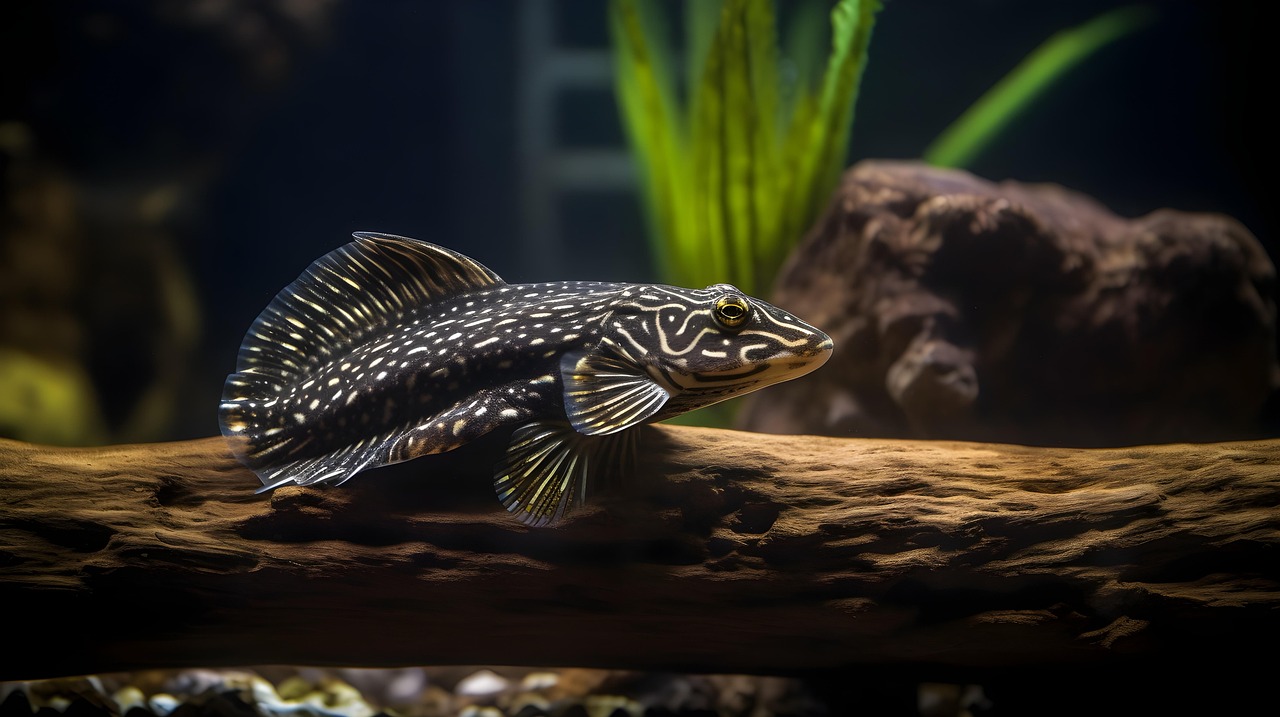
Corydoras species do well introduced alongside schooling fish or shortly after, as they occupy a completely different niche and rarely compete for territory with mid-water swimmers. Plecos are best added after the tank is well established — at least 6–8 weeks in — because the biofilm and algae growth they need as supplementary food takes time to develop.
For larger corydoras species like C. sterbai or C. duplicareus, introduce groups of 5 or more at once. Introducing 2–3 and adding more later creates internal group hierarchy stress as newcomers are rejected by established individuals.
Leave Aggressive or Territorial Species Until Last
Any species with documented territorial behaviour — including many cichlids, bettas in community contexts, and aggressive barbs — should always be the last addition. By the time they arrive, other fish have established behavioural patterns that are harder to disrupt, the tank’s visual complexity (plants, hardscape, fish activity) reduces the perceived size of territory any individual can realistically defend, and you have confirmed the water quality and filter capacity can handle the full stocking load.
Spacing Introductions and Watching for Warning Signs
Allow a minimum of one week between introductions — two weeks is better for sensitive species. Always quarantine new fish for 2 weeks in a separate tank before adding to your display. Signs to watch for after any introduction: fish gasping at the surface (ammonia or low oxygen), fish hiding for more than 24 hours without improvement, visible fin damage, or loss of appetite. Catching problems early — before they cascade — is the difference between a stressful crash and a quick correction. The team at Gensou Aquascaping is happy to advise on stocking plans for any tank size before you commit to purchasing livestock.
Related Reading



