How to Aquascape for Licorice Gouramis: Ultra Soft Blackwater Nano
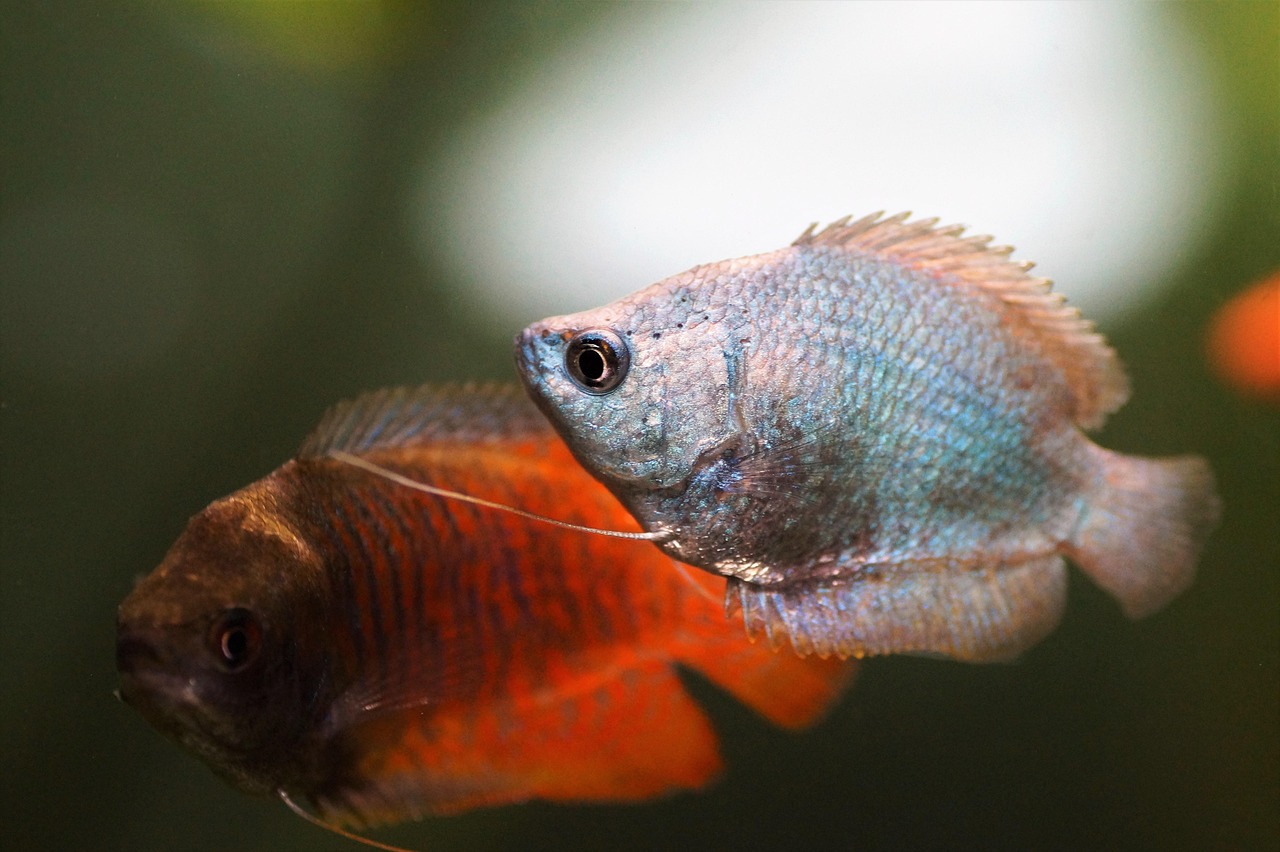
Licorice gouramis belong to the genus Parosphromenus — a group of tiny, spectacularly coloured labyrinth fish from the blackwater peat swamps of Borneo and Sumatra. They are among the most demanding fish in the hobby, with tight requirements for extreme water softness and low pH. Getting it right is genuinely difficult. Getting it right and making it beautiful is the challenge of a licorice gourami blackwater nano aquascape: a tank that is simultaneously a recreation of one of Southeast Asia’s most threatened habitats and one of the most striking small displays possible. Gensou Aquascaping at 5 Everton Park, Singapore works with Parosphromenus species and can share what makes these setups succeed.
Parosphromenus: Understanding the Genus
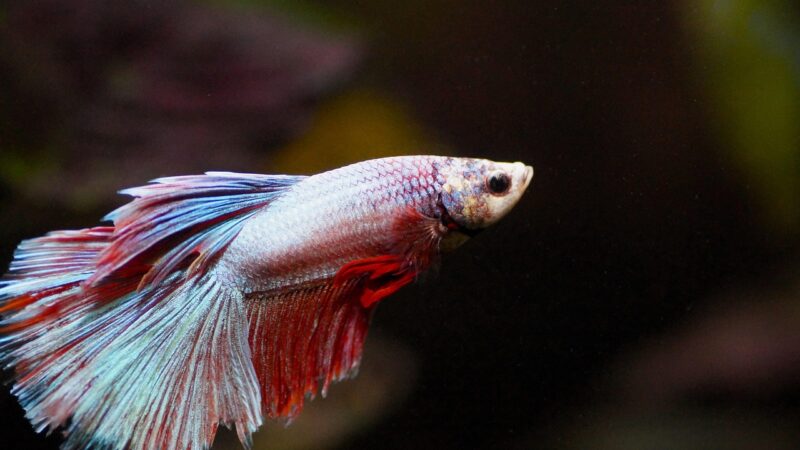
Parosphromenus species are small — 2.5–4 cm — and superficially similar until males display their courtship colouration, at which point the iridescent blues, reds and greens of species like P. deissneri, P. filamentosus and P. paludicola become obvious. They’re secretive, slow-moving fish that spend most of their time within cover, emerging to court or feed. Tank size is not the challenge with licorice gouramis — a 20-litre nano is adequate for a breeding pair. Water chemistry is the challenge.
Water Parameters: Extreme Soft and Acidic
Natural Parosphromenus habitat has pH 3.5–5.0, conductivity below 30 µS/cm, TDS under 20 ppm, and zero detectable hardness — peat swamp water that would kill most aquarium fish within hours. In captivity, a more moderate range of pH 4.5–6.0, TDS 30–60 ppm and GH 0–1 is achievable and sufficient for successful breeding. Achieving these parameters in Singapore requires a combination of RO water remineralised only minimally — Salty Shrimp Soft Water Mineral to GH 1 at most — and pH reduction through peat filtration or Indian almond leaf extract. This is not a beginner’s water chemistry challenge.
Tannins and Blackwater Aesthetics
Peat swamp water is the colour of strong tea — deeply stained with humic and fulvic acids from decomposing organic matter. These tannins are not merely aesthetic in a licorice gourami tank; they’re functionally important. Humic acids buffer against pH fluctuation, provide mild antimicrobial activity and appear to trigger breeding behaviour. Use Indian almond (ketapang) leaves — widely available at Singapore fish shops at $2–5 per pack — to achieve the tannin load gradually rather than adding large amounts at once. Change leaves every three to four weeks as they decompose. Dried alder cones, peat filter media and botanicals from specialist suppliers add depth to the water chemistry beyond simple tannin colouration.
Hardscape and Decoration
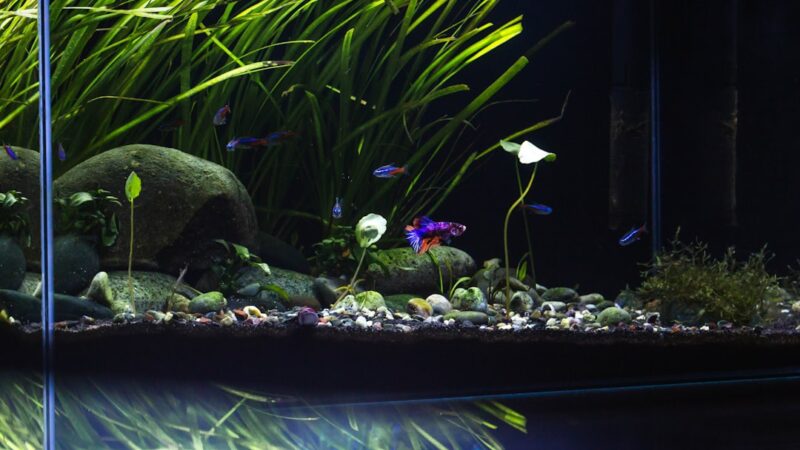
Blackwater habitats have no rocks. Stones raise pH and add hardness — the opposite of what Parosphromenus needs. Build the scape entirely from driftwood and organic material. Thin branchy wood (spiderwood or mopani branches), submerged dried leaf litter, dried seed pods and clumps of java moss create an environment that looks genuinely like a forest floor pool. Coconut shell halves serve as spawning caves — Parosphromenus are cave spawners, and the male guards eggs and fry under an overhang or inside a tight space. Position cave openings where you can observe them without disturbing the fish.
Plants for Extreme Soft Acidic Water
Most aquatic plants struggle at pH below 5.5. Exceptions suited to blackwater conditions include Cryptocoryne species (several occur naturally in similar peat swamp habitats in Borneo), Utricularia graminifolia (bladderwort, which tolerates low pH well), and various mosses including Riccardia chamedryfolia (mini pellia). Java moss is broadly tolerant and practical. Floating plants — Salvinia or Limnobium — reduce light intensity at the surface and contribute to the enclosed, shaded atmosphere critical for this species’ confidence and display behaviour.
Filtration Without Chemistry Disruption
Standard canister filters with ceramic media work, but must be configured carefully — avoid any calcareous or calcium-rich filter media, which will leach hardness and raise pH within days. Sponge filtration driven by an air pump is the simplest safe option: biologically effective, low-flow, and containing no minerals. If you use a hang-on-back filter, remove any included carbon media (carbon removes tannins) and replace with fine sponge only. Water turnover should be gentle — Parosphromenus originate from slow-moving to stagnant swamps, and strong current stresses them.
Feeding and Long-Term Management
Parosphromenus are micropredators that strongly prefer live or frozen food: baby brine shrimp, micro worms, daphnia and bloodworm are all accepted. Many individuals refuse dry food initially, though some eventually accept micro-pellets. Feed twice daily in small amounts. In Singapore’s warm ambient temperatures, a tank without air conditioning may run at 29–30°C — within tolerance for most Parosphromenus species, though the cooler end of their range (26–27°C) is preferable for long-term condition. Water changes of 10–15% twice weekly, using pre-prepared RO water matched to tank chemistry, maintain stability without the rapid parameter shifts that stress these sensitive fish.
Related Reading
- How to Aquascape for Chocolate Gouramis: Dark Water Sanctuary
- How to Aquascape for Celestial Pearl Danios: Galaxy Rasbora Nano
- How to Aquascape for Clown Killifish: Surface Nano Design
- How to Aquascape for Exclamation Point Rasboras: Dense Nano Jungle
- How to Aquascape for Forktail Rainbowfish: Pseudomugil Nano Display
The soft, acidic water that suits a licorice gourami nano applies at any volume, and our broader guide on how to aquascape a blackwater tank walks through the leaves, wood and dosing involved.