
How to Breed Norman’s Lampeye Killifish: Surface Spawners in Soft Water
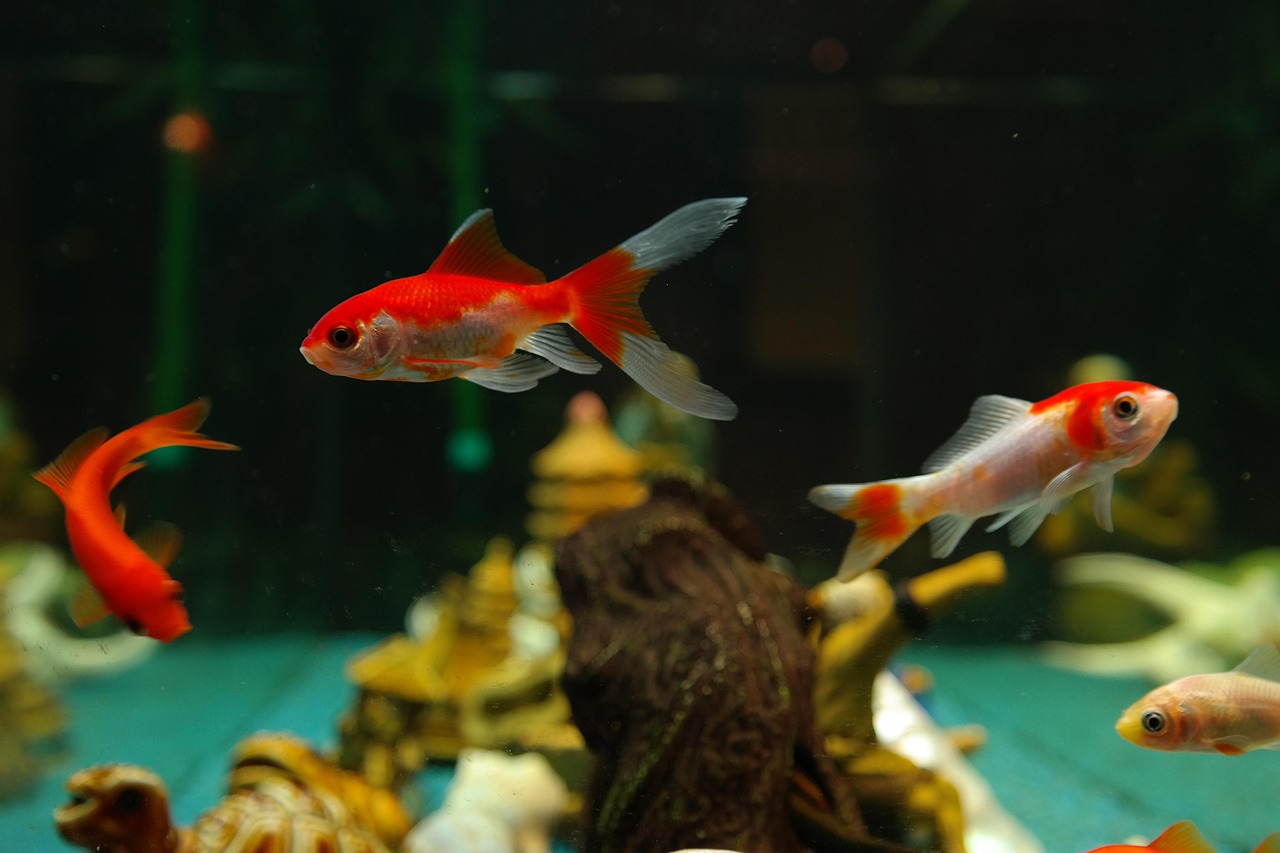
Norman’s lampeye killifish are among the most underappreciated nano fish in the hobby. Their electric blue eye patch — iridescent in side-lit tanks — makes a shoal of 20 or more look like scattered sparks near the surface. Breeding Norman’s lampeye killifish is genuinely easy once you understand their preference for fine-leaved surface plants and soft water, and the prolific egg output makes them excellent fish for hobbyists looking to build up numbers quickly. Gensou Aquascaping in Everton Park, Singapore regularly recommends Aplocheilichthys normani as a first killifish breeding project.
Species Overview and Natural Habitat
Originating from West African rivers and streams, Norman’s lampeye inhabits slow, soft, slightly acidic to neutral water with dense surface vegetation. They are annual killifish by habitat category but not by breeding strategy — unlike many killies, lampeyes do not require a dry period and breed continuously in stable aquarium conditions. Adults reach 3–3.5 cm. Males are marginally slimmer and more intensely coloured; the eye patch in prime males pulses with blue-green iridescence under good lighting.
Breeding Tank Setup
A 20–30 litre tank is sufficient for a breeding trio of one male and two females, though a colony approach works equally well. Maintain water at 24–26°C — Singapore’s ambient temperature is often sufficient without a heater. Target pH 6.5–7.0 and GH below 6. PUB tap water treated with a chloramine-neutralising conditioner is suitable without further softening in most Singapore households. Add floating plants abundantly: Ceratopteris thalictroides, frogbit, or salvinia all work well. Spawning occurs primarily in and beneath these floating mats.
Spawning Behaviour
Lampeyes are scatter spawners. Males display to females in short, quivering dashes beneath the floating plants. Fertilised eggs are deposited individually into plant fibres throughout the day. Each female deposits 5–20 eggs per day under optimal conditions. The eggs are small — approximately 1 mm — and adhesive, clinging to plant roots or fine moss. Unlike substrate-spawning killifish, there is no ritual digging or plant selection; spawning is opportunistic wherever plant cover is densest.
Egg Collection and Incubation
Remove floating plants to a shallow container filled with water from the breeding tank every few days. Eggs hatch in 10–14 days at 25–26°C. Alternatively, the continuous colony approach works well: a heavily planted tank with many hiding spots allows eggs and young fry to survive alongside adults at reasonable rates, particularly if adults are well-fed. For maximum yield, dedicated egg collection is more efficient. Remove white, fungused eggs promptly with a fine pipette to prevent spread.
Feeding Newly Hatched Fry
Newly hatched lampeye fry are 3–4 mm — notably larger than threadfin rainbowfish or some micro tetra larvae — and can often accept paramecia or very fine commercial fry powder from day one. Within five to seven days, freshly hatched Artemia nauplii become an appropriate food source. Feed five to six times daily in small amounts. Water quality in the fry container should be managed with gentle daily top-ups rather than large water changes, which can shock larvae. By week three, fry are robust enough to accept normal nano feeding schedules.
Growing Out and Sexing
Juvenile lampeyes grow quickly relative to other killifish. Males begin showing their characteristic eye iridescence at four to six weeks. By eight weeks, fish are typically sexable and approaching adult size. At this point, move them to a grow-out tank with gentle filtration and a varied diet of frozen daphnia, micro worms, and quality micro pellets. Lampeyes are social and do best in groups; keep at least six together during the grow-out phase to see natural shoaling behaviour.
Community Tank Compatibility After Breeding
Adult Norman’s lampeyes are excellent community nano fish, compatible with ember tetras, chili rasboras, and small corydoras species. Their surface-dwelling habit means they rarely compete for space with mid- or bottom-level species. In Singapore, they occasionally appear at specialist shops and on Carousell at $1.50–3 per fish, making excess juveniles from a breeding colony easy to sell or trade. A healthy colony in a 40-litre planted tank can produce 50–100 juveniles per month under good conditions.
Related Reading
- How to Breed Clown Killifish: Rocket Panchax Spawning in Nano Tanks
- How to Breed Golden Wonder Killifish: Surface Spawners in Planted Tanks
- How to Breed Amano Shrimp: The Challenging but Rewarding Process
- How to Breed Assassin Snails: Slow but Steady Reproduction
- How to Breed Bamboo Shrimp: Larval Stages and Brackish Requirements

emilynakatani
Still Have Questions About Your Tank?
Drop by Gensou Aquascaping — most walk-in questions get answered in under 10 minutes by someone who has set up hundreds of tanks.
5 Everton Park #01-34B, Singapore 080005 · Open daily 11am – 8pm


