How to Aquascape a Condo Balcony Pond in Singapore
Singapore’s condominium balconies are one of the most underused spaces in the hobby — enough sun, enough outdoor exposure, and enough rainwater to sustain a living water garden that no indoor tank can replicate. A well-designed condo balcony pond aquascape brings together aquatic plants, fish, and natural biology in a way that is lower maintenance than most indoor planted tanks once it matures. Gensou Aquascaping at 5 Everton Park, Singapore has designed several outdoor pond setups for condo clients, and this guide covers every practical consideration specific to Singapore’s climate, regulations, and living conditions.
Understanding What You Are Working With
A condo balcony pond is almost always a container pond rather than an in-ground installation. The constraints are different from a landed property garden pond: weight loading matters significantly, the space is often small (1–4 square metres of usable floor area), and exposure conditions — sun angle, wind, rainfall — vary dramatically depending on the tower orientation and floor height. High-floor units above the 20th storey deal with significantly higher wind that accelerates evaporation and can stress surface plants. Lower floors may have more shade from neighbouring blocks, which limits high-light plant choices.
Before planning, check your condominium’s management rules on water features — some MCSTs restrict outdoor water containers above certain sizes or require approval for structures that could pose a water egress risk to lower floors. A well-sealed container pond with no overflow to the drain below is typically unproblematic, but confirmation saves disputes later.
Container Choices: Weight vs Aesthetics
Concrete planters and cast-iron half-barrels are beautiful but heavy — a 40-litre concrete planter filled with water, substrate, and plants can exceed 80 kg. Singapore condo balconies typically have a load rating of 150–250 kg/m², so a single heavy container in the centre of the space is usually within limits, but multiple large planters or a long trough may not be. When in doubt, consult a structural engineer — your MA or MCST can sometimes provide balcony load specifications.
Lightweight alternatives include fibreglass pond shells (sold in Singapore through landscape supply companies), food-grade HDPE containers, and purpose-made resin pond containers. A 100-litre fibreglass pond shell weighs under 10 kg empty; fully loaded with water and substrate it reaches approximately 120–130 kg — manageable and typically within balcony load tolerances. Avoid standard plastic tubs or storage bins not rated for UV exposure; they become brittle and crack within 12–18 months under Singapore sun.
Substrate and Pond Architecture
A balcony pond does not need deep substrate — 5–8 cm of coarse gravel or aquatic plant soil, topped with pea gravel or course sand, provides root anchorage and biological filtration without excessive weight. Marginal shelves — raised sections of substrate or bricks placed inside the container — allow emergent aquatic plants to grow with their bases in shallow water and crowns above the waterline, which is the most natural and visually dynamic arrangement for a Singapore outdoor pond.
Place larger stones or a central elevated planting zone off-centre for visual balance and to create depth variation. A simple asymmetric arrangement of a central planted mound, shallow marginal shelf on one side, and open deep water on the other provides both planting diversity and open water for fish movement.
Plants for Singapore’s Outdoor Conditions
Singapore’s year-round high-light, warm-temperature outdoor environment suits a wide range of tropical water plants. Nymphaea (tropical waterlilies) are spectacular — dwarf varieties like Nymphaea ‘Dauben’ or Nymphaea ‘Tina’ suit containers as small as 60 litres and produce continuous flowers in Singapore without requiring dormancy cycles. Nelumbo nucifera (sacred lotus) grows vigorously outdoors and flowers reliably in full-sun positions.
Emergent plants — Echinodorus species, Sagittaria platyphylla, and Thalia dealbata — grow as marginals with roots in water and foliage in air. Water hyacinth (Eichhornia crassipes) floats freely and provides rapid nutrient uptake from fish waste, but check regulations before adding it — it is listed as an invasive species in Singapore and should not be released into natural waterways.
Fish for a Balcony Pond
Mosquito fish (Gambusia affinis) are the practical choice for any outdoor pond in Singapore — they are exceptionally hardy, tolerate temperature variation from 22–34°C, breed readily, and consume mosquito larvae continuously, preventing the pond from becoming a breeding site. Oryzias latipes (medaka) are another outstanding pond fish — small, heat-tolerant, and active in the upper water column where they are easily visible.
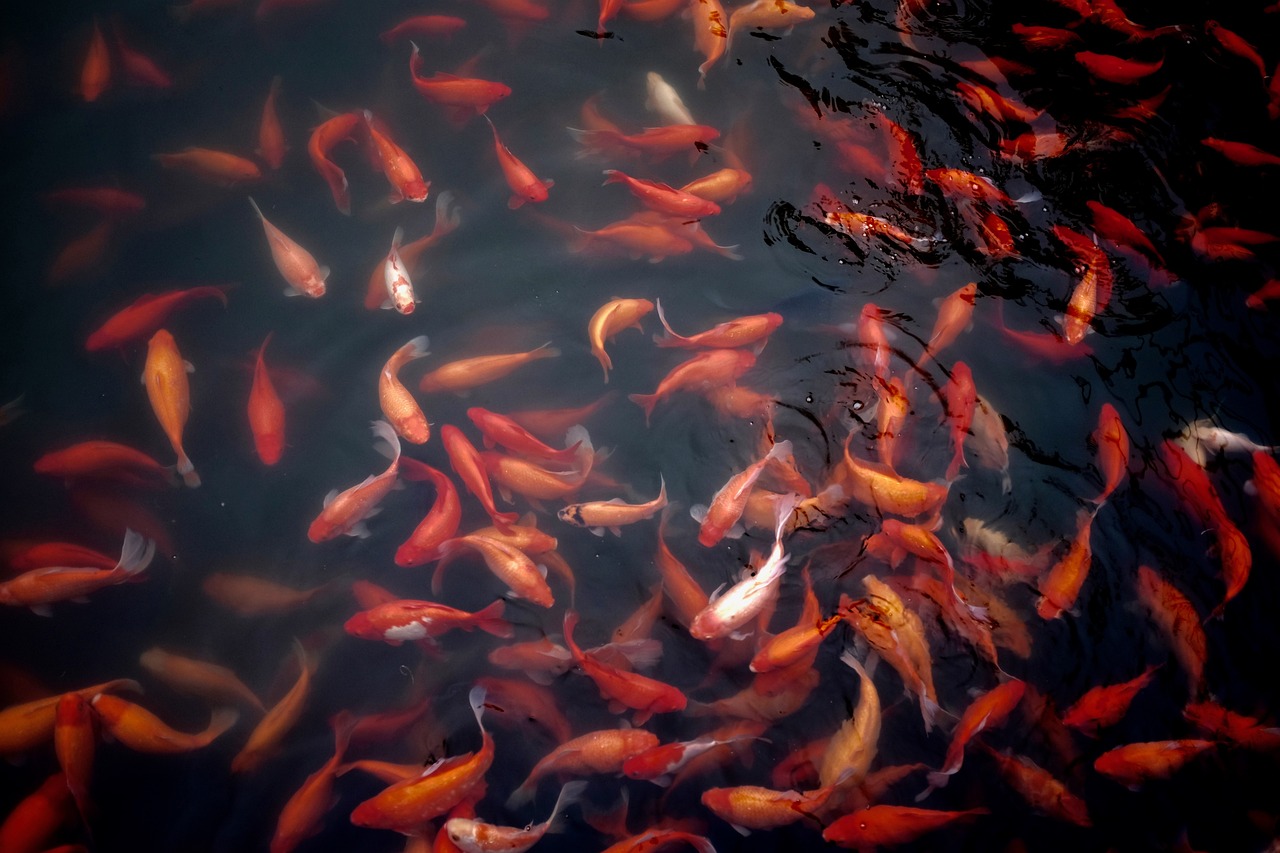
Koi are impractical for container ponds under 500 litres — they grow too large and are too heavy for standard balcony containers. Fancy goldfish are possible in 100–200 litre containers but require filtration and regular water changes due to their high bioload.
Filtration and Mosquito Prevention
Moving water discourages mosquito breeding. A small solar-powered fountain pump (available on Shopee for $15–$30) creates surface movement sufficient to prevent Aedes mosquito larvae from developing. The National Environment Agency (NEA) requires that all stagnant water in Singapore is managed to prevent mosquito breeding; a continuous pump operating during daylight hours satisfies this requirement. Turn it off at night if the sound carries into sleeping areas.
Biological filtration develops naturally in an outdoor pond with sufficient plant material and an established substrate. A small box filter or sponge filter powered by a low-watt air pump adds insurance if fish are present. Weekly top-ups with tap water compensate for evaporation — Singapore’s humidity slows evaporation compared to drier climates, but a 100-litre pond may still lose 5–10 litres per week in a well-ventilated balcony position.
Long-Term Maintenance and Seasonal Adjustment
Outdoor ponds in Singapore require less winter-preparation fuss than temperate climate ponds, but they do need consistent monitoring during exceptionally hot, dry months (February–April) when evaporation peaks and water temperature in small dark containers can reach 34–36°C. Shade cloth over 50% of the pond surface during peak heat periods keeps temperature manageable. Gensou Aquascaping advises checking water level weekly, testing for nitrate monthly, and doing a 20–30% water change every 2–4 weeks in a fish-stocked balcony pond to maintain the water quality that keeps both fish and plants thriving year-round.
Related Reading