How to Aquascape a Landed House Pond in Singapore
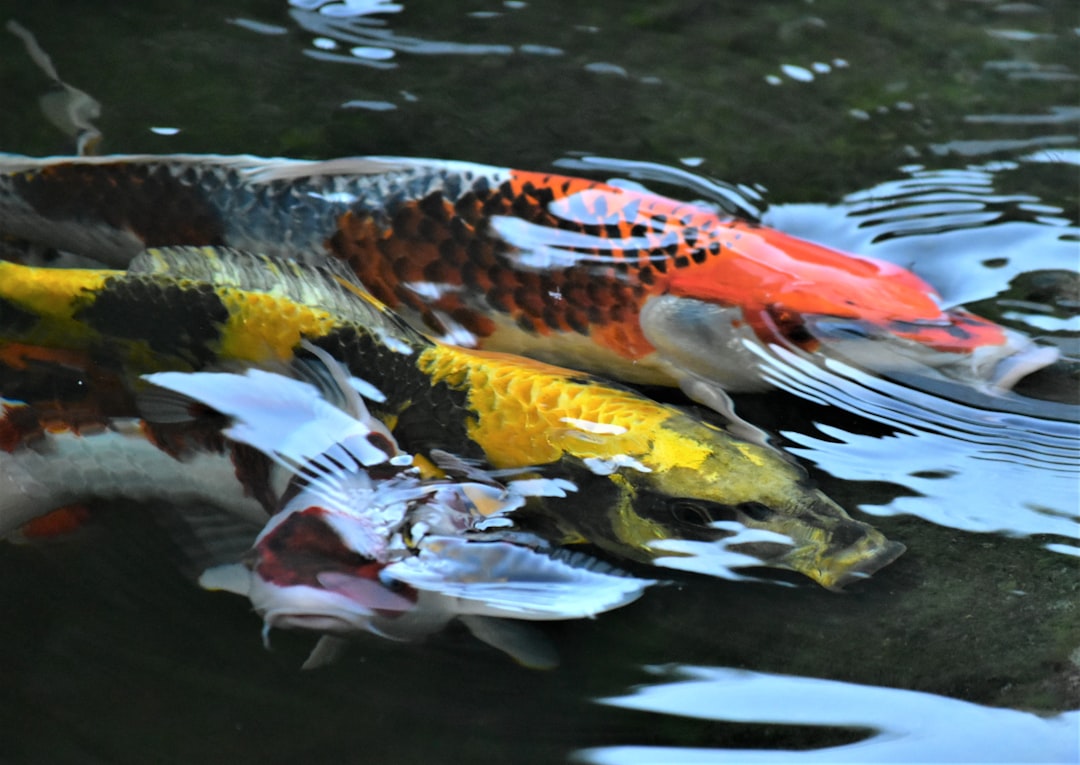
Singapore’s landed housing — bungalows, semi-detached houses, and terraced properties — often comes with garden space that is perfect for an outdoor pond, and yet the combination of year-round heat, heavy monsoon rainfall, and intense tropical sunlight creates conditions that most global pond-keeping literature simply does not address. Aquascaping a landed house pond in Singapore requires solutions adapted to this specific climate: plants that can handle both drought-season heat and flood-season overflow, hardscape that ages gracefully in tropical weather, and filtration designed for the bioload of koi or large goldfish in permanently warm water. Gensou Aquascaping at Everton Park, Singapore has designed and installed garden ponds across the island, and our over 20 years of hands-on experience in this climate informs every recommendation here.
Pond Size and Construction Considerations
Larger is almost always better for outdoor ponds in Singapore’s heat. A minimum depth of 60–80 cm ensures that water temperature at depth remains several degrees cooler than surface temperature — important for koi, which become stressed above 30°C. Very shallow ponds (under 40 cm) will routinely hit 33–35°C in the afternoon sun during the dry season, which is dangerous for most pond fish.
For ponds in concrete or rendered brick construction — common in older landed properties — ensure adequate waterproofing with an appropriate pond liner or epoxy coating before filling. Concrete leaches calcium and raises pH significantly in new ponds; cure new concrete ponds with multiple fill-and-drain cycles over two to four weeks before introducing fish.
Hardscape: Natural Stone in the Tropical Garden Context
Pond hardscape in Singapore needs to withstand constant moisture, strong sunlight, algae growth, and the occasional heavy downpour. Granite river boulders are the most practical choice — locally available, naturally weathered, and aesthetically appropriate for a tropical garden setting. Position larger stones around the pond perimeter at water level to create a natural transition between the pond and the garden, and use medium stones to build shallow shelving areas where aquatic marginal plants can root at 5–15 cm depth.
Slate stepping stones or flat granite tiles across parts of the pond perimeter give a contemporary look popular with newer landed property builds. Avoid limestone rock in proximity to the pond water — it dissolves slowly and raises water hardness and pH to levels that can stress fish in combination with Singapore’s already relatively alkaline tap water.
Plant Selection for Singapore Outdoor Ponds
Aquatic and semi-aquatic plants for Singapore outdoor ponds must handle extreme heat, direct tropical sun, and intermittent flooding. Nelumbo nucifera (sacred lotus) thrives in full sun in Singapore’s climate and produces spectacular blooms in conditions where temperate lotus varieties struggle. Water lilies — particularly tropical varieties like Nymphaea lotus — suit the Singapore climate better than hardy varieties bred for temperate seasons.
Marginal plants at the pond edges add structure: Thalia dealbata, heliconia, and papyrus Cyperus papyrus grow vigorously in Singapore’s heat and create the lush, tropical garden border that suits landed property aesthetics. Keep plant coverage to 40–60% of the pond surface — enough to shade the water and reduce algae pressure, but not so dense that oxygenation and gas exchange at the surface are restricted.
Filtration for a Koi Pond in Tropical Conditions
Koi produce substantial waste, and in Singapore’s warm water — where bacterial decomposition and ammonia production happen significantly faster than in cooler climates — filtration must be sized generously. A biological filter rated for at least twice the actual pond volume is a conservative starting point. Multi-chamber sump-style filters with large surface-area media (K1 moving bed or similar) outperform simple pond filters for high-stocking situations.
A UV steriliser inline with the return flow dramatically reduces free-floating algae (green water) and pathogen pressure — a worthwhile investment given Singapore’s sunlight intensity. Water hyacinth and other floating plants also absorb excess nutrients efficiently, acting as a natural polishing stage if the filtration can handle the nutrient load before it arrives at the biological filter.
Managing Monsoon Rainfall and Overflow
Northeast and Southwest monsoon seasons bring periods of intense rainfall that can raise pond water levels dramatically within hours. Design an overflow outlet at 10–15 cm below the pond rim — a simple standpipe or overflow channel directed to the garden drainage system prevents flooding and the associated livestock losses. Rainwater is soft and slightly acidic, which temporarily lowers pH in the pond; avoid large water changes or treatments immediately after heavy rain when water chemistry is in flux.
Falling leaves and garden debris entering the pond during wet weather accelerate nutrient loading. A pond net stretched over the surface during heavy leaf-fall periods reduces the organic load and the additional filtration burden that follows.
Lighting and Nighttime Aesthetics
Underwater LED pond lights transform a Singapore garden pond after dark — submerged white or blue-white lights illuminate fish from below and create a dramatic focal point in the garden. Position lights at 45 degrees pointing upward through the water column rather than straight up, which creates more depth and clarity in the lit water. For the pond perimeter, low-voltage garden spotlights directed at feature plants and hardscape complete the nighttime garden composition that makes a landed property pond a genuine year-round feature rather than just a daytime attraction.
Related Reading