How to Handle a Fish Emergency at Night: Quick Response Guide
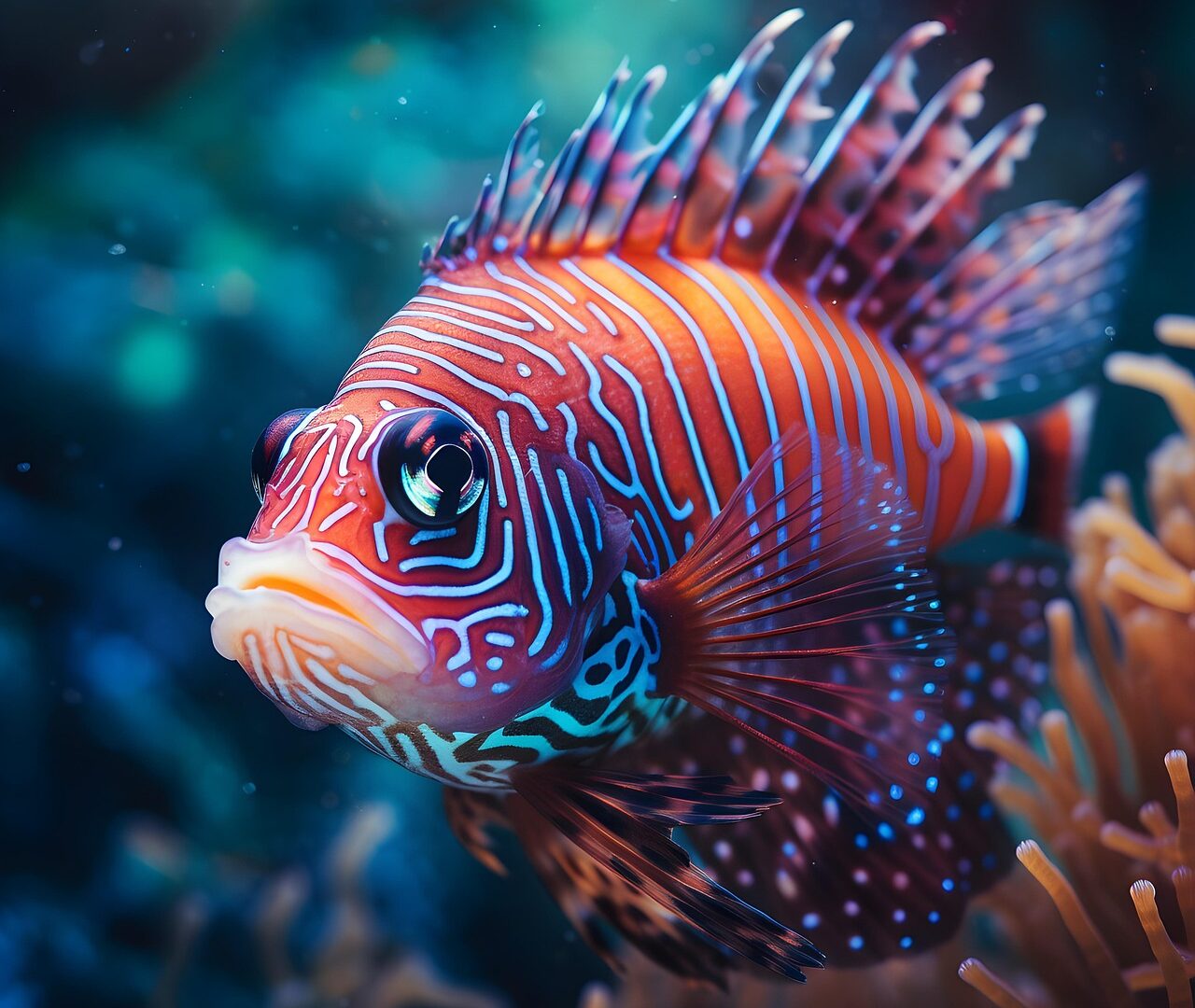
It is 2 a.m. and you notice your fish gasping at the surface, a filter that has stopped running, or a heater stuck on high. Panic is natural, but knowing how to handle a fish emergency at night with calm, decisive steps can save your livestock. This quick-response guide from Gensou Aquascaping at 5 Everton Park, Singapore covers the most common overnight crises and what to do before the shops open in the morning.
Power Outage During the Night
Singapore experiences occasional power cuts from grid maintenance or thunderstorms. When the filter stops, oxygen exchange drops within an hour and ammonia begins rising. Your first action is to remove the tank lid and gently agitate the water surface by hand or with a battery-operated air pump. A USB-powered airstone connected to a power bank provides hours of emergency aeration for under $15. Avoid feeding your fish during a power outage, as uneaten food accelerates ammonia buildup without filtration to process it.
Filter Failure Without Power Loss
If the lights are on but the filter has died, the motor or impeller may have seized. Unplug it, remove the impeller housing, and check for debris or snail shells blocking the shaft. A quick rinse and reassembly often restores flow. If the motor is burnt out, a sponge filter on a spare air pump provides temporary biological and mechanical filtration. Keep a backup sponge filter pre-seeded in your main tank at all times so it carries beneficial bacteria and is ready to deploy instantly.
Fish Gasping at the Surface
Gasping usually signals low dissolved oxygen, high ammonia, or both. Increase surface agitation immediately with an airstone or by lowering the water level slightly so the filter outlet splashes. Perform a 30-40 % emergency water change with dechlorinated water close to tank temperature. In Singapore, tap water at room temperature sits around 28-30 °C, close enough for most tropical setups. Test ammonia and nitrite with a liquid kit if you have one available. Elevated readings above 0.25 ppm confirm a water quality emergency.
Suspected Disease Outbreak
Discovering white spots, fungal patches or a suddenly listless fish at night does not require immediate medication. Most disease treatments work over days, not minutes. Isolate the visibly affected fish in a container of tank water with a small airstone if you have a spare. Avoid dosing medication into your display tank in the dark when you cannot accurately read dosing instructions. Note the symptoms, take a photo for reference, and treat first thing in the morning when you can identify the disease properly and dose accurately.
Heater Malfunction
A stuck-on heater can cook a tank surprisingly quickly. If you touch the glass and it feels unusually warm, or your thermometer reads above 32 °C, unplug the heater immediately. Float sealed ice packs or bottles of cold water in the tank to bring the temperature down by 1-2 °C over 30 minutes. Never add ice directly, as rapid temperature drops cause additional shock. In Singapore, most tropical fish do fine without a heater, so leaving it unplugged overnight until you can replace it is perfectly safe.
Cracked Tank or Leak
A leaking tank at night is stressful, especially in an HDB flat where water can damage floors and disturb neighbours below. Reduce the water level to below the crack by siphoning into buckets. Move fish temporarily into the largest container you have, such as a storage tub or clean pail, with a small airstone. Place towels around the base of the tank to contain further dripping. A cracked tank cannot be reliably repaired while full, so plan to transfer livestock to a replacement tank as soon as possible.
Building a Night Emergency Kit
Preparation eliminates most of the panic. Keep a small box near your tank containing a battery-operated air pump with spare batteries, airline tubing, a sponge filter, dechlorinator, a liquid test kit, a digital thermometer and a small net. Add a torch if your tank is in a room without backup lighting. This kit costs under $50 total from local shops or Shopee and covers every scenario described in this guide. Reviewing it once every few months ensures nothing has expired or gone flat.
Related Reading