
How to Breed Chocolate Gouramis: Mouthbrooding and Blackwater Tips
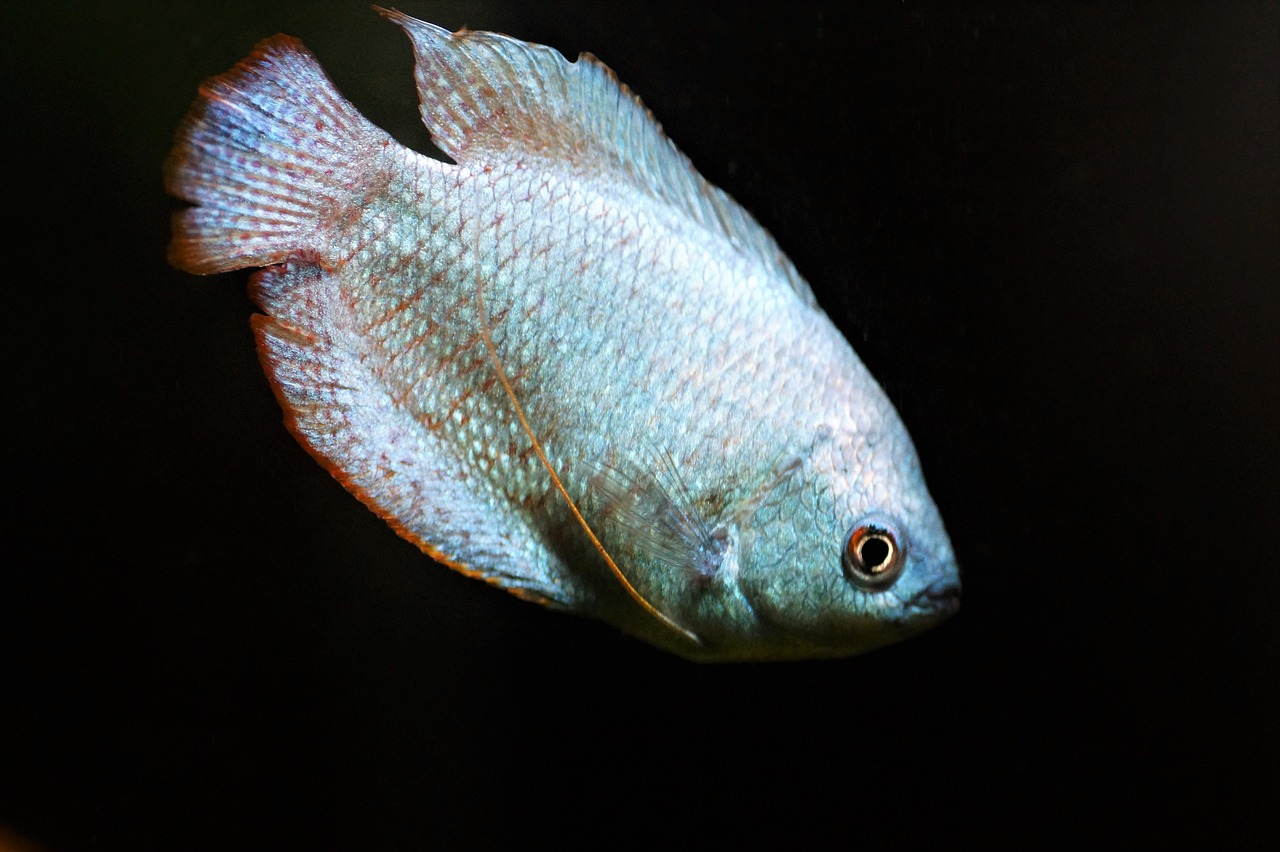
Breeding chocolate gouramis ranks among the most rewarding challenges in the freshwater hobby. Sphaerichthys osphromenoides is a shy, delicate species that demands precise water conditions, but watching a female hold eggs in her mouth for two weeks is an experience unlike any other. This breed chocolate gourami guide from Gensou Aquascaping at 5 Everton Park, Singapore shares practical methods refined over years of working with these beautiful fish.
Understanding Chocolate Gourami Behaviour
Chocolate gouramis are paternal mouthbrooders, though some literature incorrectly labels them maternal brooders. In reality, the female incubates the fertilised eggs in her buccal cavity for 10-14 days. During this period she refuses food entirely, and her throat visibly distends as the fry develop. Males court by displaying darkened colouration and quivering beside the female.
These gouramis are peaceful but easily stressed by boisterous tankmates. House breeding pairs or small groups of five to six in a dedicated species tank for the best results.
Setting Up a Blackwater Breeding Tank
A 40-litre tank works well for a breeding group. Fill it with reverse osmosis water remineralised to GH 1-2 and KH below 1. Target pH between 4.5 and 5.5 and temperature at 26-28 degrees C. Singapore’s naturally warm ambient temperature makes heating straightforward, though a small adjustable heater ensures stability overnight when air conditioning runs.
Add Indian almond leaves (Terminalia catappa), dried banana leaves and a handful of peat to stain the water a deep amber. Tannins from these botanicals lower pH naturally, reduce bacterial growth, and mimic the peat swamp forests of Borneo and Sumatra where these fish originate. Dim lighting from floating plants like Salvinia cucullata completes the setup.
Water Quality and Filtration
Soft, acidic water is non-negotiable. Use a gentle air-driven sponge filter to avoid creating strong currents. Chocolate gouramis are sensitive to dissolved organics, so perform small water changes of 10-15 percent twice weekly using aged, tannin-stained water prepared in advance. Sudden parameter shifts can cause disease or halt breeding behaviour entirely.
Singapore’s PUB tap water, even after dechlorination, is too alkaline and mineral-rich for this species. An RO unit is a worthwhile investment if you plan to keep blackwater fish long-term. Budget around $150-$300 for a basic RO system on Shopee or Lazada.
Conditioning and Spawning
Feed a varied diet of live and frozen foods to bring breeding pairs into condition. Daphnia, grindal worms and baby brine shrimp are excellent choices. Avoid dry flakes as a staple; chocolate gouramis often refuse them. Condition the pair for two to three weeks before expecting spawning behaviour.
Spawning typically occurs in the early morning. The pair circles each other near the substrate, and the male wraps around the female in a brief embrace. Eggs are released, fertilised and immediately collected by the female into her mouth. The entire process lasts only a few minutes.
Caring for the Brooding Female
Once the female is holding, reduce disturbance to an absolute minimum. Avoid netting, rearranging decor or performing large water changes. Keep the tank dimly lit and cover three sides with dark cardboard to reduce external stress. She will not eat during the incubation period, so ensure she was well-fed beforehand.
After 12-14 days, the female releases fully formed fry measuring around 5-6 mm. A healthy brood consists of 10 to 40 fry depending on the female’s size and condition.
Raising the Fry
Chocolate gourami fry are tiny and require infusoria or vinegar eels as a first food. After one week, transition to freshly hatched brine shrimp nauplii. Growth is slow compared to other gourami species; expect fry to reach 1.5 cm after two months. Maintain pristine water quality with daily 5 percent water changes using matched parameters.
Keep fry in the same soft, acidic conditions as the parents. Raising them in harder, more alkaline water often leads to high mortality in the first few weeks.
Common Mistakes to Avoid
Rushing the conditioning period is the most frequent error. Pairs that are not fully conditioned produce smaller clutches or fail to spawn altogether. Another common mistake is housing chocolate gouramis with fast-moving fish like danios, which stress them into hiding permanently. Overfeeding dry food instead of live prey also reduces breeding success significantly.
With patience and the right conditions, breeding chocolate gouramis is entirely achievable for dedicated hobbyists in Singapore. The blackwater environment these fish require also suits other fascinating species like Parosphromenus and Betta persephone, making it a versatile setup worth maintaining.
Related Reading



