
How to Breed Corydoras Panda: Conditioning, Spawning and Fry Care
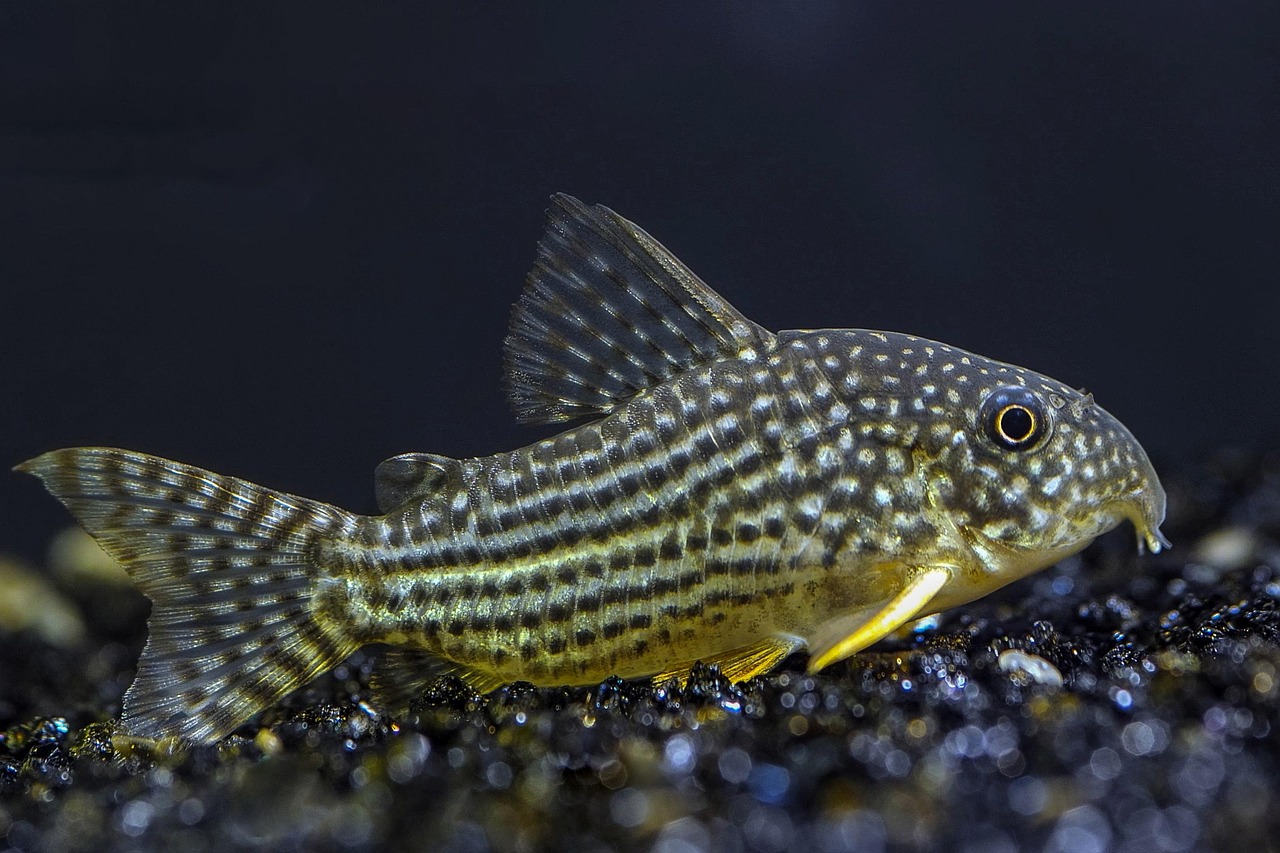
Breeding Corydoras panda is one of the most rewarding projects for a freshwater hobbyist, and Singapore’s soft water gives you a natural advantage. These endearing catfish with their black eye patches and tail spots produce surprisingly large eggs that are easy to manage even for first-time breeders. This breed corydoras panda guide from Gensou Aquascaping at 5 Everton Park, Singapore, covers every step from selecting broodstock to raising free-swimming fry.
Selecting Healthy Broodstock
Start with at least six adults — a ratio of two males per female maximises spawning success. Females are noticeably rounder when viewed from above, with a wider pelvic fin area for carrying eggs. Males are slimmer and slightly smaller. Purchase healthy, well-fed specimens with clear eyes, intact barbels, and no signs of fin erosion. Locally, Corydoras panda typically costs $4-8 SGD each at shops around Serangoon North and Clementi.
Setting Up the Breeding Tank
A bare-bottom 40-60 litre tank works best for breeding. Skip the substrate — it makes egg collection and tank hygiene far simpler. Add a seasoned sponge filter for gentle filtration and biological stability. Include a few smooth river stones or a terracotta pot for egg deposition sites, plus some Java moss clumps where fry can find infusoria. Keep lighting dim. Maintain water temperature at 24-25 degrees C, slightly cooler than the typical Singapore ambient of 28-30 degrees C, so a room with air-conditioning or a small chiller helps.
Conditioning for Spawning
Heavy feeding with protein-rich live and frozen foods triggers breeding condition. Offer bloodworms, blackworms, daphnia, and freshly hatched brine shrimp twice daily for two to three weeks. Females will visibly plump up as they develop eggs. Quality frozen foods are widely available at local aquarium shops for $2-5 SGD per blister pack. Condition the group in the breeding tank so they are already comfortable in their spawning environment.
Triggering the Spawn
Corydoras spawning in the wild is triggered by cool rain entering warm rivers. Simulate this with a large, cool water change — replace 50-70% of the tank water with dechloraminated water that is 3-4 degrees C cooler than the tank. Slightly lower the water level, then refill slowly over an hour. Drop in barometric pressure before a thunderstorm can also stimulate spawning, which Singapore’s frequent afternoon storms conveniently provide. Spawning often begins within 12-24 hours of the trigger.
The Spawning Process
Males chase the female energetically, nudging her flanks. When ready, the female assumes the distinctive T-position, pressing her mouth against the male’s vent to collect sperm. She then cups 2-4 adhesive eggs in her pelvic fins and deposits them on glass, plant leaves, or smooth surfaces. A single spawning event can produce 30-60 eggs over several hours. The eggs are relatively large at about 2 mm diameter, cream to pale orange in colour, and very sticky.
Egg Care and Fungus Prevention
Remove eggs to a separate hatching container with gentle aeration — a plastic tub with an airline works fine. Add a few drops of methylene blue to prevent fungal infection, or place an Indian almond leaf in the water for natural antifungal tannins. Maintain water temperature at 24-25 degrees C. Remove any eggs that turn white and fuzzy within the first 48 hours, as fungus spreads quickly to healthy eggs. Hatching occurs in 4-5 days.
Raising the Fry
Newly hatched fry carry a yolk sac that sustains them for 2-3 days. Once the sac is absorbed and fry become free-swimming, begin feeding microworms or freshly hatched baby brine shrimp. Feed small amounts three to four times daily, siphoning uneaten food carefully to prevent water fouling. Fry grow slowly — expect them to reach 1 cm in about four weeks. Perform daily 10% water changes with temperature-matched, treated water. At six weeks, you can introduce finely crushed high-quality pellets alongside live foods.
Growing Out and Rehoming
By eight to ten weeks, juvenile C. panda display recognisable markings and measure roughly 1.5-2 cm. They can join a community tank at this size, provided tank mates are peaceful. Many Singapore hobbyists sell or trade homebred cories through Carousell or local aquarium forums. A successful breed corydoras panda project not only adds to your skills but helps reduce demand for wild-caught specimens, supporting more sustainable fishkeeping.
Related Reading
- How to Breed Corydoras Sterbai: Sticky Eggs and Cool Water Triggers
- Panda Corydoras Care Guide: The Adorable Bottom Dweller
- How to Breed Pygmy Corydoras: Micro Cory Spawning in Nano Tanks
- How to Breed Pygmy Corydoras: Tiny Eggs on Glass and Leaves
- How to Breed Amano Shrimp: The Challenging but Rewarding Process



