
How to Breed Pygmy Corydoras: Micro Cory Spawning in Nano Tanks
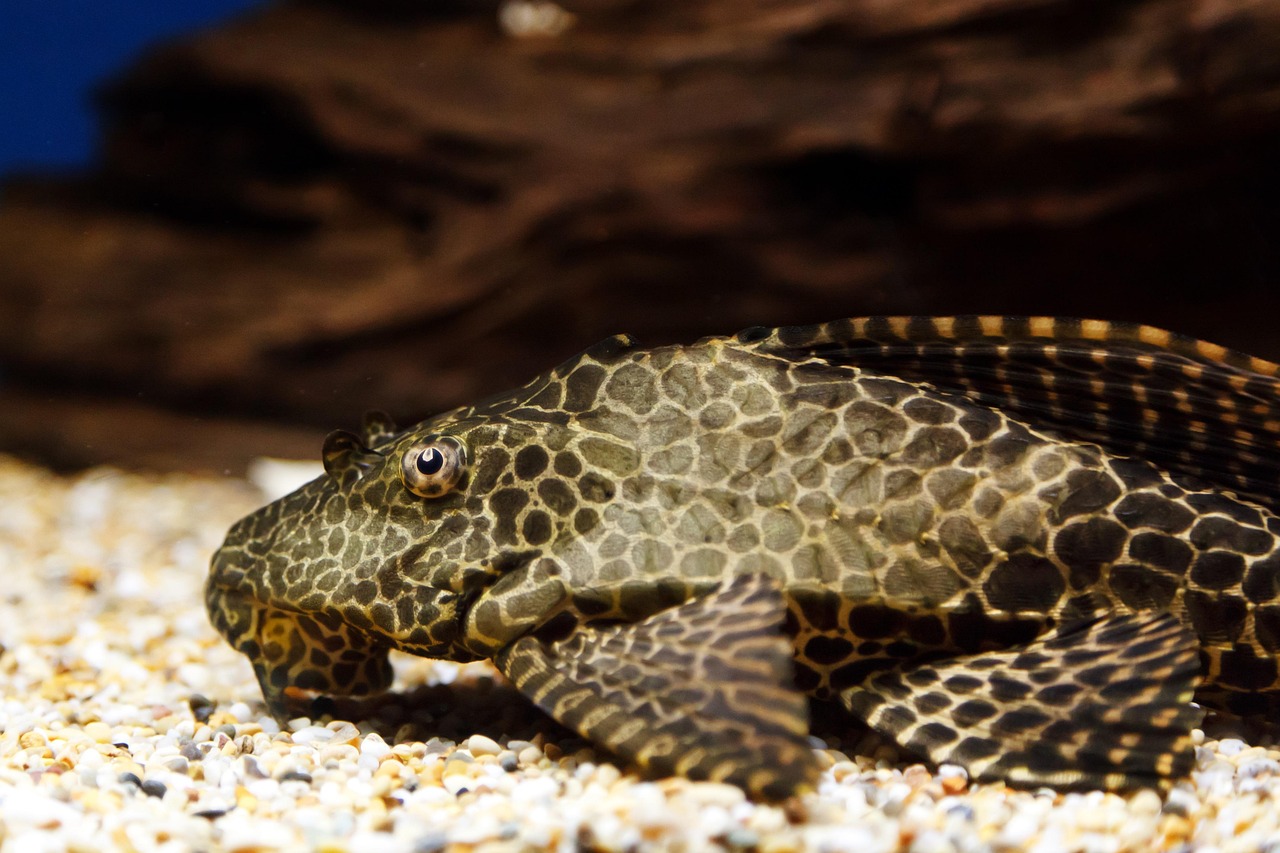
Pygmy corydoras (Corydoras pygmaeus) are among the smallest catfish available to hobbyists, and breeding them in a nano tank is both achievable and deeply rewarding. If you want to breed pygmy corydoras, the process requires careful conditioning, clean water and a bit of patience. This guide from Gensou Aquascaping at 5 Everton Park, Singapore shares proven techniques refined over years of successful spawns in tanks as small as 20 litres.
Setting Up a Breeding Nano Tank
A dedicated breeding tank of 20-30 litres works best, though pygmy corys also spawn readily in planted community setups. Use a gentle sponge filter rated for the tank volume to avoid sucking in eggs or fry. Fine sand substrate gives the adults a natural foraging surface, and clumps of Java moss or Taxiphyllum barbieri provide ideal egg-deposition sites. Keep the tank covered, as pygmy corys occasionally dart to the surface during spawning chases.
Conditioning the Adults
Start with a group of at least six adults to ensure a good mix of males and females. Males are slimmer and slightly smaller at around 2 cm, while gravid females appear noticeably rounder when viewed from above. Feed the group generously for two to three weeks with live or frozen baby brine shrimp, microworms and crushed high-protein pellets. This protein-rich conditioning triggers egg development in females and increases spawning vigour in males.
Triggering the Spawn
In Singapore, the easiest spawning trigger is a large cool water change. Replace 40-50% of the tank water with dechlorinated PUB tap water that is 2-3 degrees C cooler than the tank temperature. This mimics the onset of the rainy season. Perform the water change in the evening, and spawning behaviour often begins by the following morning. You will see males chasing females energetically, with the classic T-position embrace where the female cups eggs in her pelvic fins before depositing them on plant leaves or glass.
Egg Care and Incubation
Pygmy corydoras scatter small, adhesive eggs individually on plant surfaces, glass and hardscape. Each spawn typically produces 20-40 eggs, each about 1 mm in diameter. Eggs are translucent when fertile and turn white within 24 hours if infertile. Remove infertile eggs promptly to prevent fungus spreading. Adding a few drops of methylene blue or Indian almond leaf extract to the water helps suppress fungal growth. At 26-28 degrees C, fertile eggs hatch in three to four days.
Raising the Fry
Newly hatched fry are tiny, around 3 mm, and absorb their yolk sac over 48 hours. First foods should be infusoria, vinegar eels or commercially available liquid fry food. After one week, the fry accept freshly hatched baby brine shrimp, which accelerates growth dramatically. Keep the breeding tank scrupulously clean with small daily water changes of 10-15%, using airline tubing as a gentle siphon to avoid disturbing the fry. Growth is slow; expect the juveniles to reach 1 cm at around six weeks.
Water Parameters That Matter
Pygmy corys are adaptable, but breeding success improves in soft, slightly acidic water. Aim for a pH of 6.5-7.0, GH below 6 and a temperature of 24-26 degrees C. Singapore tap water is naturally soft at GH 2-4, giving local hobbyists a head start. If your room temperature exceeds 28 degrees C, a small clip-on fan blowing across the water surface can drop the temperature by 2-3 degrees, which is often enough to encourage spawning.
Common Breeding Challenges
Egg predation is the biggest hurdle if you breed in a community tank. Even peaceful tank mates like neon tetras will eat cory eggs opportunistically. Separating eggs into a small breeder box or dedicated container improves survival rates significantly. Another challenge is maintaining fry food supply; culturing microworms in a small container with oatmeal is a reliable, low-cost solution. A starter culture costs under $5 on Carousell and lasts indefinitely with basic maintenance.
From Fry to Juvenile Colony
Pygmy corydoras fry grow slowly but steadily with consistent feeding and clean water. By three months, juveniles display the characteristic horizontal black stripe and begin schooling with adults. A successful breeding programme can easily sustain a self-replenishing colony in a planted nano tank, reducing your need to purchase replacements. Surplus juveniles are always in demand among local hobbyists and can be sold or traded through Carousell or local aquarium forums.
Related Reading
- How to Breed Corydoras Panda: Conditioning, Spawning and Fry Care
- How to Breed Corydoras Sterbai: Sticky Eggs and Cool Water Triggers
- Pygmy Corydoras Tank Mates: Tiny Bottom Dwellers Need Gentle Friends
- How to Breed Amano Shrimp: The Challenging but Rewarding Process
- How to Breed Assassin Snails: Slow but Steady Reproduction



