
How to Breed Pygmy Corydoras: Tiny Eggs on Glass and Leaves
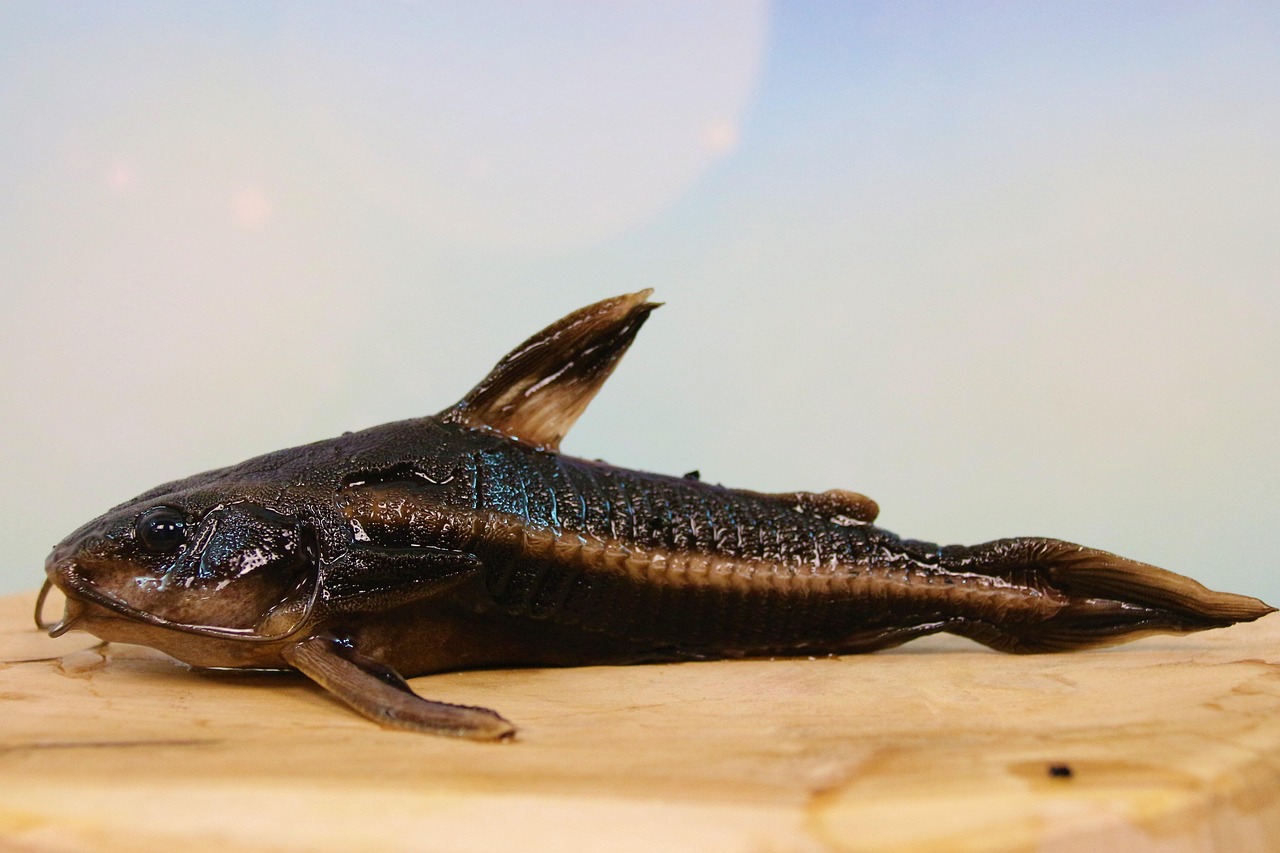
At barely 2-3 cm fully grown, Corydoras pygmaeus is one of the smallest catfish in the hobby — and one of the most rewarding to breed. This breed pygmy corydoras guide from Gensou Aquascaping at 5 Everton Park, Singapore, covers every stage from conditioning adults to raising pinhead-sized fry. Unlike larger corydoras species that scatter dozens of eggs, pygmies produce smaller clutches that demand careful attention. The payoff is watching a cloud of tiny catfish exploring your tank within weeks.
Species Background
Corydoras pygmaeus originates from tributaries of the Rio Madeira basin in Brazil. Unlike most corydoras that stay on the substrate, pygmies are mid-water swimmers that hover in loose schools throughout the water column. This behaviour makes them unique among their genus. Adults reach a maximum of 3.2 cm, with females being slightly larger and rounder than males. Their small size means they produce fewer eggs per spawn, but healthy groups will breed repeatedly once conditions are right.
Setting Up for Breeding
A 20-litre tank works perfectly as a dedicated breeding setup. Use a thin layer of fine sand and add clumps of Java moss, a few Anubias nana ‘Petite’ on small stones, and some Indian almond leaves. A sponge filter provides gentle aeration without endangering tiny fry. Water should be soft to moderately soft — GH 4-8, pH 6.5-7.2, temperature 24-26°C. Singapore’s tap water is close to ideal after dechlorination, though blending with 20-30% RO water can improve results.
Conditioning Adults
Select a group of at least six adults — the more, the better, as group dynamics stimulate breeding behaviour. Separate the sexes for 10-14 days if possible, feeding generously with live or frozen foods. Grindal worms, micro worms, and frozen daphnia are excellent choices. Females ready to spawn show a visibly plumper belly when viewed from above. Males remain slender and become noticeably more active, chasing females in tight circles around plants and glass surfaces.
Triggering Spawning
Reunite the conditioned group in the breeding tank in the evening. Perform a 50% water change using slightly cooler water — drop the temperature by 2-3°C to simulate a rainstorm. Top up slowly over an hour. This cool-water trigger is the single most effective technique for corydoras breeding. Within 12-24 hours, you should observe the classic T-position: the female clamps onto the male’s ventral area to collect milt before depositing a single fertilised egg. She places eggs on glass, plant leaves, or sponge filter surfaces. Expect 10-30 eggs per spawning event.
Egg Development and Hatching
Pygmy corydoras eggs are roughly 1 mm in diameter, pale and slightly adhesive. You can leave them in place if the tank has no egg predators, or carefully roll them off the glass with a finger and transfer to a small hatching container with matching water. Add a drop of methylene blue to inhibit fungus. Eggs hatch in 3-4 days at 25°C. Remove any that turn opaque white — these are infertile or fungused. Newly hatched fry are almost invisible at around 3 mm, absorbing their yolk sac over the next 48 hours.
Raising Fry
Once free-swimming, fry need extremely small food. Infusoria cultures, vinegar eels, or Walter worms are suitable first foods. After five to seven days, introduce freshly hatched baby brine shrimp — even at this tiny size, pygmy fry can manage nauplii. Feed three to four times daily in small amounts. Keep the water pristine by siphoning waste gently with airline tubing every other day, replacing with temperature-matched water. Growth is slow; fry reach roughly 1 cm at six weeks and begin showing the characteristic midline stripe.
Common Issues
Fungused eggs are the most frequent problem. Ensure water quality is excellent and remove infected eggs promptly to protect viable ones. Low hatching rates often indicate the male is too young — corydoras under six months may not produce viable milt. Another issue specific to Singapore is temperature creep during hot months; pygmy corydoras breed best below 27°C, so a small clip-on fan directed at the water surface helps prevent overheating without the expense of a chiller.
Building Your Colony
Healthy groups spawn repeatedly every 7-14 days once triggered, so a breeding colony grows steadily. Juveniles can join a community tank at around 1.5 cm, provided tankmates are small and peaceful. Surplus pygmy corydoras are always popular locally — expect $2-3 each on Carousell or through hobbyist groups. This breed pygmy corydoras guide reflects the hands-on approach Gensou Aquascaping has developed over two decades of working with nano species in Singapore’s tropical conditions.
Related Reading
- How to Breed Pygmy Corydoras: Micro Cory Spawning in Nano Tanks
- How to Breed Corydoras Panda: Conditioning, Spawning and Fry Care
- How to Breed Corydoras Sterbai: Sticky Eggs and Cool Water Triggers
- Pygmy Corydoras Tank Mates: Tiny Bottom Dwellers Need Gentle Friends
- How to Breed Amano Shrimp: The Challenging but Rewarding Process



