Sri Lankan Highland Stream Biotope Aquascape: Cool Mountain Waters
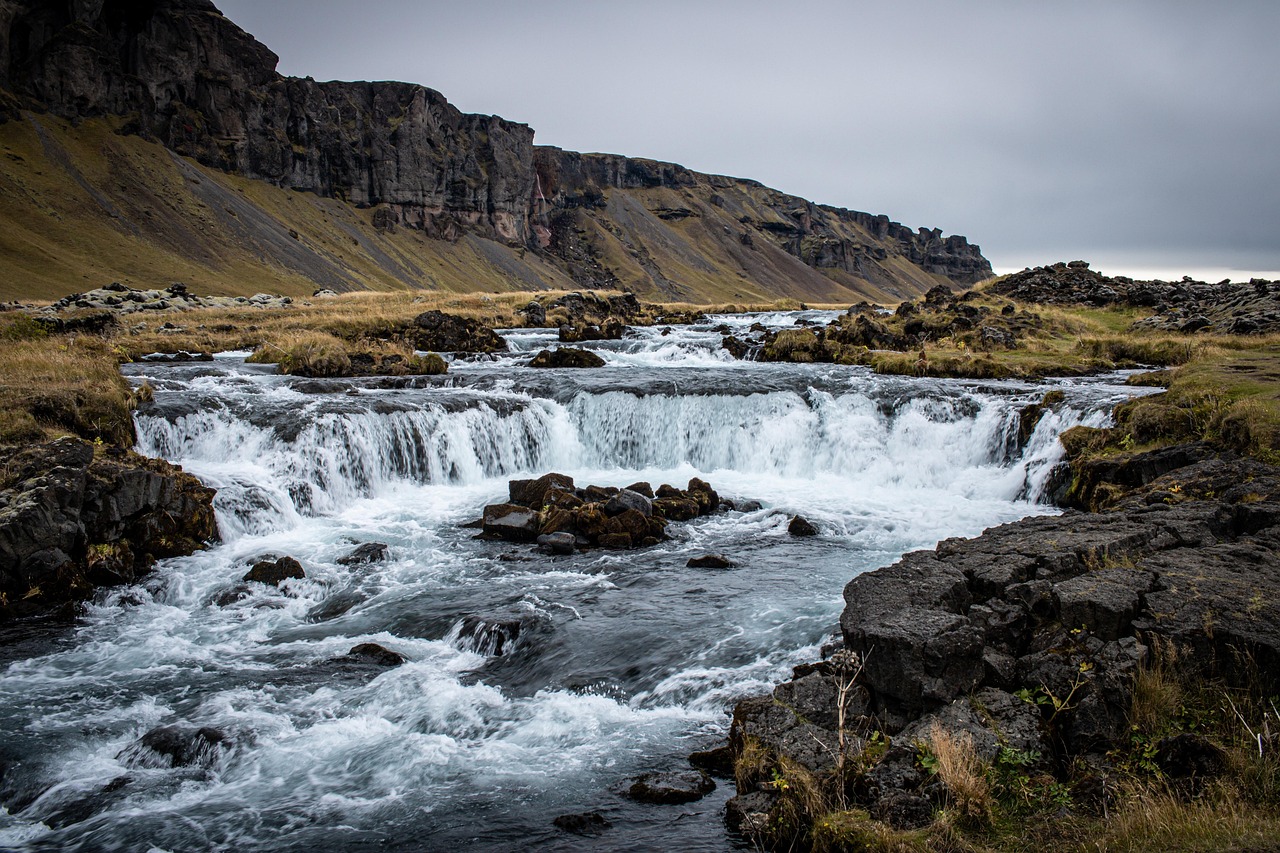
Sri Lanka’s central highlands harbour some of the most beautiful — and least replicated — freshwater habitats in the tropical aquascaping world. A Sri Lankan highland stream biotope aquascape captures the fast-flowing, oxygen-rich mountain waterways of the Knuckles Range and Peak Wilderness, where endemic species like Puntius titteya (cherry barb) and Belontia signata (combtail) thrive among smooth river stones and submerged roots. Gensou Aquascaping in Singapore has designed several biotope commissions at our 5 Everton Park studio, and this highland stream concept is one of our favourites.
Understanding the Natural Habitat
Sri Lankan highland streams sit at elevations of 500-2,000 metres, where water temperatures range from 20-25°C — significantly cooler than lowland tropical waters. The substrate is a mix of rounded granite boulders, gravel, and coarse sand, with minimal fine sediment due to strong current. Fallen branches and leaf litter from surrounding rainforest canopy provide tannins that tint the water a light amber. Water chemistry is soft and acidic, typically pH 6.0-7.0 with GH below 6 — conveniently close to Singapore’s own tap water parameters.
Hardscape Selection
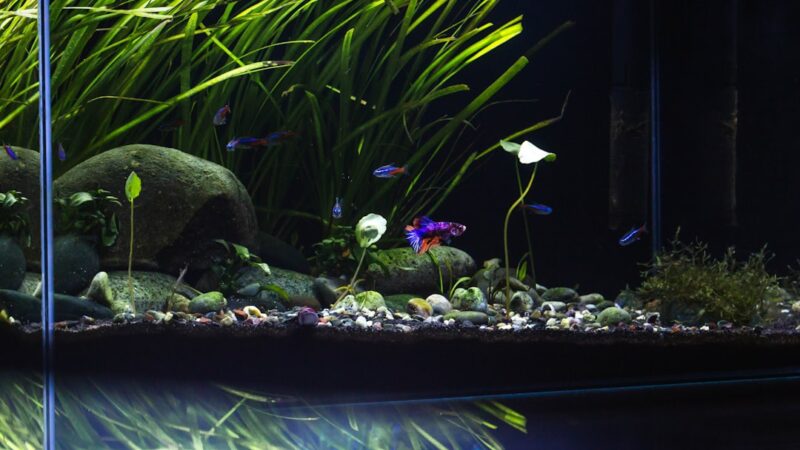
Smooth river stones are the foundation of this biotope. Avoid sharp-edged rocks like dragon stone or seiryu stone — they do not occur in Sri Lankan streams. Look for rounded granite or basalt pebbles in mixed sizes, from 2 cm to fist-sized. Arrange them in loose, overlapping clusters as if deposited by current, with gaps between stones where fish can shelter. Add one or two pieces of branching driftwood to represent fallen tree roots extending into the stream. Malaysian driftwood or manzanita branches work well visually.
Substrate and Water Flow
Layer coarse sand (1-2 mm grain) mixed with small rounded pebbles for an authentic stream bed. Avoid aquasoil — highland streams have nutrient-poor mineral substrates. Position your filter outflow or a small wavemaker to create moderate linear flow across the tank, simulating the current these species evolved in. A flow rate of 8-10 times tank volume per hour feels about right. The moving water keeps the substrate clean and the fish active, which mirrors their natural behaviour perfectly.
Flora for the Highland Stream
True highland Sri Lankan streams have limited aquatic plant growth due to strong current and canopy shade. Cryptocoryne wendtii, native to Sri Lanka, is the obvious first choice — plant it in sheltered pockets behind rocks where current is reduced. Cryptocoryne beckettii is another endemic option. Both tolerate lower light and establish well in sand-based substrates. Add scattered Indian almond leaves or dried jackfruit leaves on the substrate for tannin release and biofilm grazing surfaces. Keep the planting sparse — this is a rocky, current-driven habitat, not a Dutch garden.
Fish and Invertebrate Stocking
The cherry barb (Puntius titteya) is the star species for this biotope and readily available in Singapore for $1.50-$3 each. Males develop deep crimson colouring in a well-maintained tank. Add a group of 10-15 for a 60-litre setup. Schistura notostigma (banded mountain loach) is a more specialised choice that appreciates the rocky terrain and strong flow. For the mid-water column, Rasbora vaterifloris (pearly rasbora) is endemic and occasionally available through specialist importers.
Avoid mixing in non-regional species — the whole point of a biotope is geographical accuracy. Shrimp are not a significant component of these highland streams, though Caridina simoni is native to Sri Lankan waters if you want invertebrate activity.
Temperature Management in Singapore
Here lies the main challenge. Singapore’s ambient temperature of 28-32°C exceeds the preferred 20-25°C range for highland stream species. Cherry barbs tolerate up to 28°C, but they show their best colour and behaviour in cooler water. A clip-on fan dropping the water by 2-3°C is the minimum intervention. For dedicated biotope accuracy, a small chiller unit keeps temperatures stable at 23-24°C but adds $150-$300 to the setup cost. Alternatively, place the tank in an air-conditioned room where ambient temperatures sit around 24-25°C for most of the day.
Bringing It All Together
A Sri Lankan highland stream biotope is a refreshing departure from the typical Southeast Asian blackwater or Amazonian themes that dominate the hobby. The clean rockwork, moderate tannin tint, active current, and endemic species create a dynamic, natural-looking display. It rewards patience — the sparse planting means every stone and branch placement matters. For Singapore aquascapers looking for something genuinely different, this biotope offers both a creative challenge and a window into one of Asia’s most underappreciated freshwater ecosystems.
Related Reading