


Sri Lankan Stream Biotope: Crypts, Barbs and Clear Water
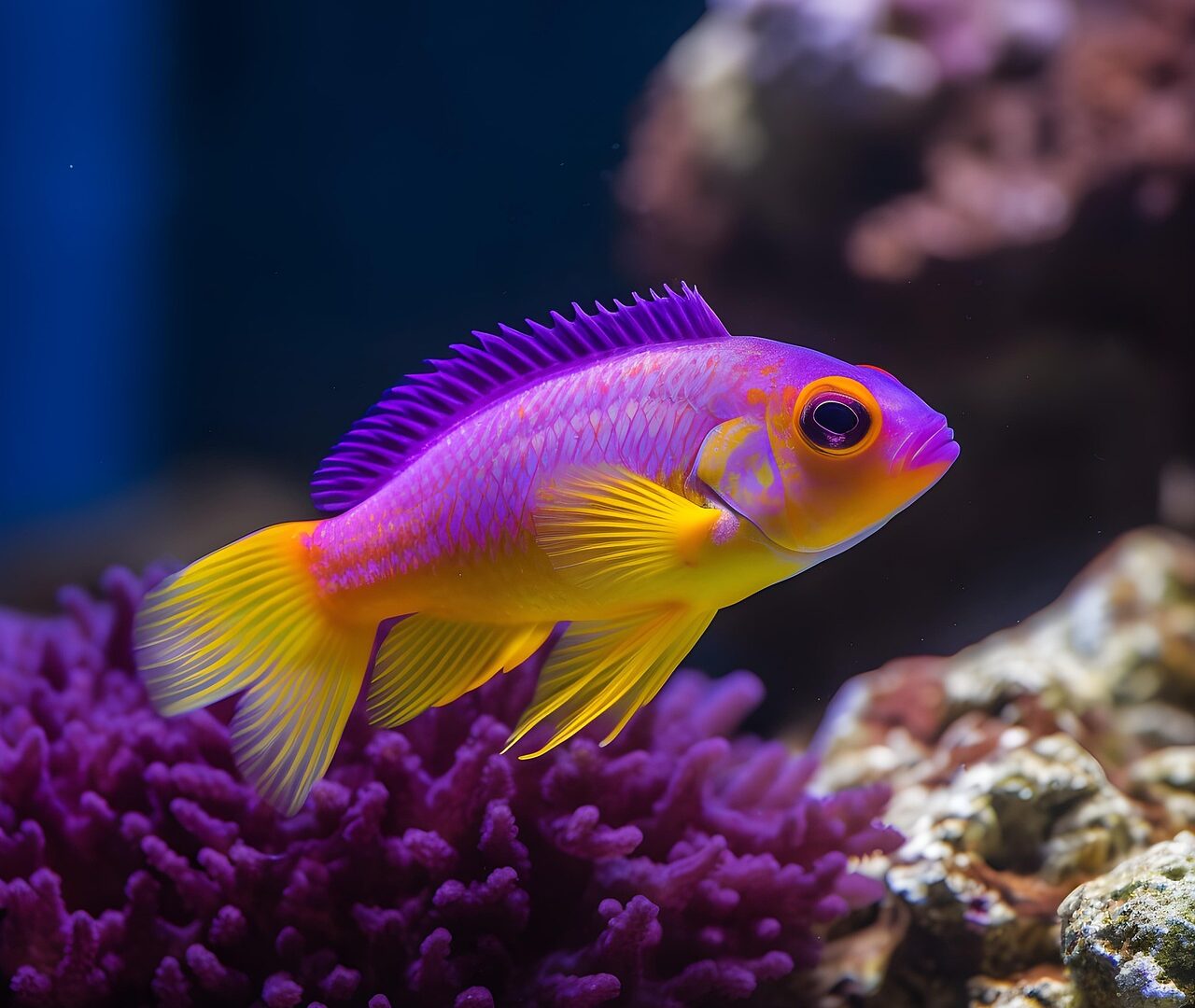
Sri Lanka’s highland streams are home to some of the most beautiful Cryptocoryne species and colourful barbs in the freshwater hobby. A Sri Lankan stream biotope captures the essence of these clear, gently flowing waters lined with dense plant growth over sandy substrates. This Sri Lankan stream biotope guide from Gensou Aquascaping at 5 Everton Park helps you recreate this stunning habitat.
The Natural Habitat
Sri Lanka’s streams flow through tropical forests with moderate canopy cover, creating dappled lighting conditions. The water is typically clear with a slight amber tint from decomposing leaves. The substrate is a mix of sand, fine gravel and smooth pebbles. Dense stands of Cryptocoryne grow along the banks and in shallower sections, with their roots anchored in the sandy substrate. Water parameters are soft and slightly acidic: pH 6.0–7.0, GH 3–8 dGH, temperature 22–28 °C.
Tank Setup
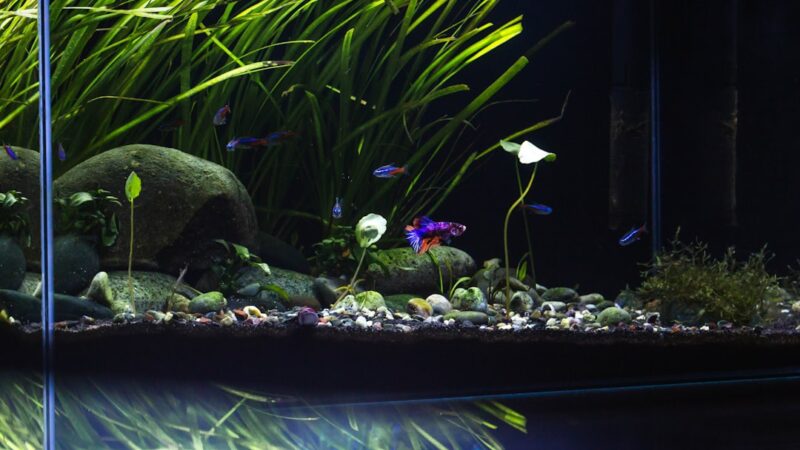
A 90–120 cm tank provides the ideal canvas. Use fine river sand as the primary substrate, with a layer of nutrient-rich aqua soil beneath for the Cryptocoryne root zones. Create a gentle slope from back to front. Moderate water flow from a canister filter or HOB mimics the stream current. Lighting should be moderate — too bright and the Cryptocoryne may struggle, as they naturally grow in shaded conditions.
Hardscape
Use smooth, rounded river stones in earthy tones — browns, greys and muted reds. Arrange them naturally as if deposited by water flow, with larger stones upstream and smaller pebbles scattered downstream. Add one or two pieces of smooth driftwood as submerged branches. Avoid dramatic, angular arrangements — Sri Lankan streams have a softer, more organic feel than rocky mountain layouts.
Plants
Cryptocoryne is the star of this biotope. Several species are endemic to Sri Lanka:
Cryptocoryne wendtii: The most widely available species, with varieties in green, brown, red and bronze. Plant in clusters of five to seven for a natural stand.
Cryptocoryne parva: The smallest species, forming tiny rosettes perfect for the foreground. Slow growing but eventually creates a dense carpet.
Cryptocoryne beckettii: A medium-sized species with olive-green to brown leaves that develops attractive ruffled edges.
Cryptocoryne spiralis: Tall, narrow leaves that add vertical interest in the background.
Aponogeton crispus: Also native to Sri Lanka, with beautiful wavy leaves that complement the Cryptocoryne displays.
Fish Selection
Cherry barbs (Puntius titteya): Endemic to Sri Lanka and perfect for this biotope. Males display deep red colouration in a planted tank. Keep a school of eight or more.
Black ruby barbs (Pethia nigrofasciata): Another Sri Lankan endemic with stunning ruby-red males. Slightly larger than cherry barbs.
Stone catfish (Hara jerdoni): Tiny bottom-dwelling catfish that blend perfectly with the pebble substrate.
Dwarf rasboras: While not strictly Sri Lankan, small rasboras occupy the same ecological niche and add mid-water activity.
The Cryptocoryne Melt Factor
When first planted, Cryptocoryne often undergo “crypt melt” — the existing leaves dissolve and look like the plant is dying. This is a transition response, not death. Leave the roots in place and new leaves adapted to your tank’s conditions will emerge within two to four weeks. Do not pull out melting crypts — patience is essential with this biotope.
Maintenance
This is a low-maintenance biotope. Cryptocoryne are slow growers that rarely need trimming. Perform weekly 20–25 per cent water changes. Remove dead leaves as they appear. The mature biotope develops a lush, natural look over six to twelve months as the Cryptocoryne fully establish and spread through runners. Enjoy the slow, graceful development — this is not a sprint but a rewarding long-term project.
Related Reading
- Sri Lankan Highland Stream Biotope Aquascape: Cool Mountain Waters
- Borneo Stream Biotope: Crystal Water and Ancient Fish
- Cameroon Stream Biotope Aquascape: West African Rapids Habitat
- Japanese Mountain Stream Biotope Aquascape: Zen in Motion
- Korean Stream Biotope Aquascape: Temperate East Asian Waters