
Dwarf Puffer vs Pea Puffer: Are They the Same Fish?
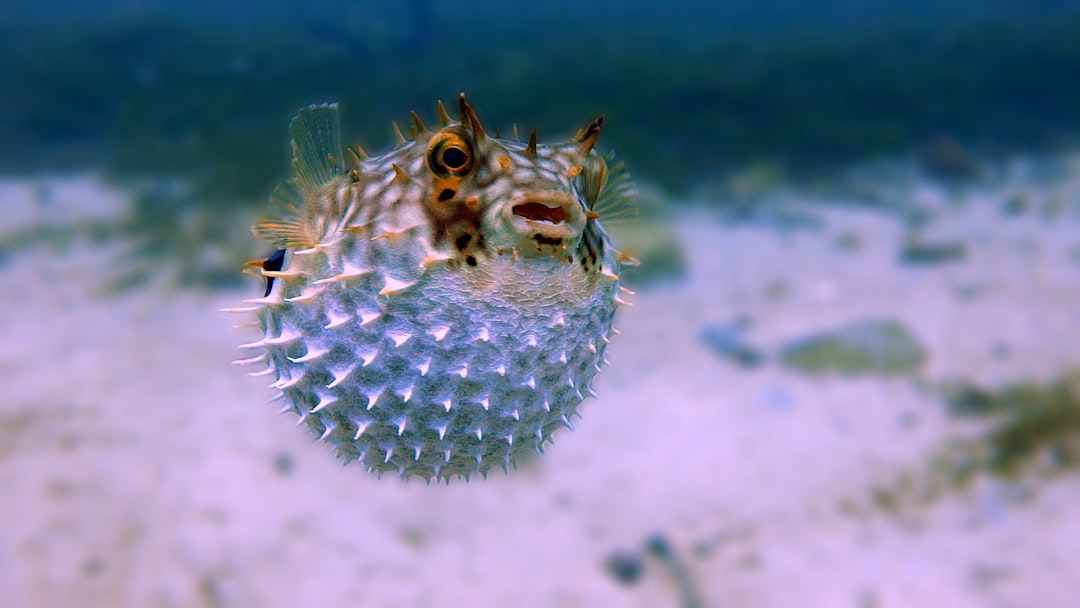
New fishkeepers browsing online forums often ask whether dwarf puffers and pea puffers are different species. The short answer is no. The dwarf puffer vs pea puffer comparison resolves quickly once you learn that both common names refer to Carinotetraodon travancoricus, a tiny freshwater pufferfish from Kerala, India. Gensou Aquascaping at 5 Everton Park, Singapore has kept this charming species for years and put together this guide to clear up the confusion and share practical care advice.
One Fish, Many Names
Depending on which shop, website or book you consult, you may see this fish labelled as the dwarf puffer, pea puffer, pygmy puffer, Malabar puffer or Indian dwarf puffer. All these names describe the same species. The proliferation of common names is typical in the aquarium hobby and regularly causes confusion. Scientific nomenclature settles the matter: Carinotetraodon travancoricus is the only recognised freshwater dwarf pufferfish from southern India.
Size and Appearance
Adults reach a maximum of 2.5 cm, making them one of the smallest pufferfish in the world. Their body is rounded with a yellowish-green dorsal surface covered in dark spots, and a pale white belly. Males develop a dark ventral stripe and an iridescent eye wrinkle that females lack. Sexing becomes reliable at around three months of age. Despite their tiny size, pea puffers have big personalities and can recognise their keeper, often begging at the glass during feeding time.
Tank Setup Requirements
A single pea puffer can live comfortably in a well-planted 20-litre tank, but a group of four to six needs at least 40 litres. Dense planting is essential to break sightlines and reduce aggression. Stem plants, moss clumps and floating plants all help. Filtration should be gentle; a small sponge filter or an adjustable hang-on-back turned to its lowest setting works well. These fish are not strong swimmers and struggle in heavy current.
Feeding: The Biggest Challenge
Pea puffers are dedicated carnivores that typically refuse dry pellets and flakes entirely. Live and frozen foods are non-negotiable. Frozen bloodworms form the daily staple for most keepers, supplemented with live or frozen daphnia, brine shrimp and small snails. Snails are particularly important because crunching the shells helps wear down the puffer’s continuously growing beak-like teeth. Pest snails like bladder snails and Malaysian trumpet snails are ideal; breed a supply in a separate container to keep costs down.
Temperament and Aggression
Do not let the cute appearance fool you. Pea puffers are territorial, and males in particular will harass each other relentlessly in tight spaces. A ratio of one male to two or three females reduces conflict. Even with proper ratios, fin nipping occurs, so avoid housing them with slow-moving or long-finned tank mates like bettas or guppies. Some keepers maintain species-only setups, which is the safest approach. Fast, nimble fish like otocinclus and certain small rasboras sometimes coexist, but results vary by individual puffer personality.
Water Parameters for Singapore
Pea puffers prefer slightly acidic to neutral water with a pH of 6.5-7.5 and moderate hardness. Singapore’s soft PUB tap water suits them well without modification. Temperature should sit between 24-28 degrees C, which aligns naturally with local ambient room temperatures. Weekly water changes of 20-30% keep nitrates low, which is especially important for puffers as they are sensitive to poor water quality and prone to internal parasites when stressed.
Health Concerns and Deworming
Wild-caught pea puffers frequently carry internal parasites, including nematodes and flagellates. Signs include a thin body, white stringy faeces and loss of appetite. Prophylactic deworming with levamisole or praziquantel after purchase is a common practice among experienced keepers. Both medications are available from local aquarium shops or online retailers on Shopee for around $8-15. Follow dosing instructions carefully and treat in a quarantine tank to avoid disrupting your main setup’s biological filtration.
Why the Name Confusion Persists
The hobby’s reliance on common names, combined with regional naming preferences, ensures this confusion will continue. North American hobbyists tend to say “pea puffer,” while Southeast Asian and European keepers often use “dwarf puffer.” Online retailers sometimes invent creative marketing names to differentiate their stock. Regardless of what the label says, if you see a tiny spotted pufferfish priced at $3-6 in a Singapore shop, you are almost certainly looking at Carinotetraodon travancoricus.
Related Reading
- Dwarf Pea Puffer Tank Mates: Who Can Survive With a Micro Predator?
- How to Breed Indian Dwarf Puffers: Conditioning and Fry Care
- How to Breed Pea Puffers: Micro Predator Courtship in Planted Tanks
- African Dwarf Frog Care Guide: Aquatic Frogs for Your Tank
- Best Tank Mates for African Dwarf Frogs
If you are still weighing up these two tiny puffers, our side-by-side pea puffer versus dwarf puffer comparison breaks down their differences to help you choose.
Whichever name you use for these tiny puffers, they enjoy a densely planted, structured home, which you can design with help from our aquascape for a puffer fish tank.



