
How to Treat White Spot Disease in a Shrimp-Safe Way
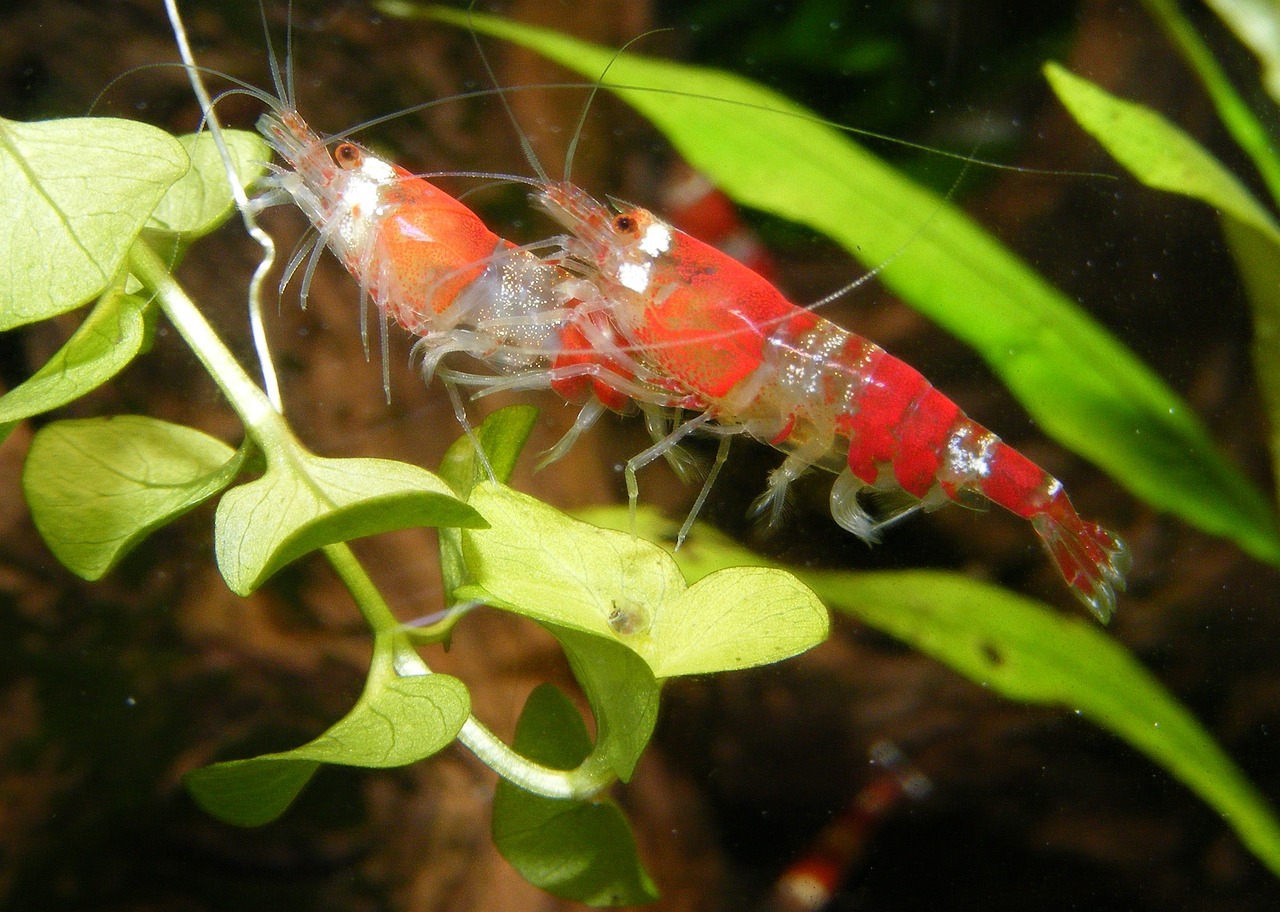
White spot disease, or ich, is one of the most common freshwater fish diseases, but treating it in a tank with shrimp requires a completely different approach from conventional medication. Most commercial ich treatments contain copper or malachite green, both lethal to invertebrates. This treat white spot disease shrimp safe guide from Gensou Aquascaping at 5 Everton Park, Singapore outlines methods that eliminate the parasite without sacrificing your shrimp colony.
Understanding the Ich Life Cycle
The white spots on your fish are trophonts, the feeding stage of the protozoan Ichthyophthirius multifiliis. These are burrowed under the skin and cannot be killed directly by any medication. When mature, they drop off, encyst on the substrate and release hundreds of free-swimming theronts that must find a host within 48 hours or die. Treatment targets this vulnerable free-swimming stage. At 26 degrees C, the full life cycle takes roughly 4 to 6 days; at 30 degrees C, it accelerates to 2 to 3 days.
The Heat Method
Raising temperature is the safest and most effective shrimp-compatible treatment. Gradually increase the tank temperature to 30 degrees C over 24 to 48 hours using a reliable heater with a thermostat. This speed accelerates the parasite’s life cycle, forcing trophonts to drop off faster and theronts to die more quickly. Most tropical fish tolerate 30 degrees C well, and Neocaridina shrimp handle it for short periods of one to two weeks. Caridina species are more heat-sensitive; keep treatment as brief as possible and ensure excellent oxygenation.
In Singapore’s warm climate, ambient temperature already sits around 28 to 30 degrees C in many homes, so only a slight boost may be needed.
Increasing Oxygenation
Warmer water holds less dissolved oxygen, and stressed fish with ich need more of it. Add an airstone or increase surface agitation during treatment. Point the filter outlet upward to break the surface. If you run CO2 injection, reduce or suspend it during treatment, as excess CO2 competes with oxygen. Shrimp are also sensitive to low oxygen, so this step protects both your fish and invertebrates simultaneously.
Shrimp-Safe Medication Options
If heat alone is not resolving the outbreak after five days, consider adding a shrimp-safe treatment. Kordon Rid-Ich Plus (formalin and malachite green at very low concentration) is tolerated by some hardier shrimp at half dose, but this carries risk. A safer alternative is methylene blue at a reduced dose of 1 ml per 40 litres, which targets theronts without lethal copper levels. Always remove activated carbon from the filter before dosing any medication.
Indian almond leaf extract and catappa bark have mild antiparasitic properties and are completely shrimp-safe, though they are insufficient as a standalone treatment for a heavy infestation.
Salt Is Not Shrimp-Safe
Aquarium salt (sodium chloride) is a standard ich remedy for fish-only tanks, but freshwater shrimp cannot tolerate salt concentrations effective against ich. Even 1 gram per litre causes osmotic stress in Neocaridina, and Caridina species are even more sensitive. Do not add salt to a shrimp tank under any circumstances. If you see online advice recommending salt for shrimp tanks, disregard it.
Water Changes During Treatment
Perform 25-percent water changes every two days throughout the treatment period. This physically removes encysted trophonts from the substrate and free-swimming theronts from the water column. Gravel-vacuum the substrate gently during each change. Use dechlorinated water matched to treatment temperature. In Singapore, remember that tap water is chloramine-treated, requiring a dechlorinator that specifically neutralises chloramine, not just chlorine.
Duration and Confirming the Cure
Maintain elevated temperature for a minimum of 10 days after the last visible white spot disappears. This ensures all encysted stages have hatched and theronts have died without finding a host. Dropping temperature too early is the most common cause of ich relapse. After the treatment period, gradually reduce temperature back to normal over three to four days. Monitor fish closely for two more weeks.
Prevention Going Forward
Quarantine all new fish for at least two weeks in a separate tank before adding them to your main display. Ich is almost always introduced through new arrivals. Maintain stable water temperature, as sudden drops trigger outbreaks in stressed fish. Keep water quality high with regular maintenance. A healthy, unstressed fish with a strong immune system can often resist ich even when exposed, making prevention far simpler than treatment.
Related Reading



