
How to Treat Neon Tetra Disease: Diagnosis and Honest Prognosis

Watching a beloved neon tetra fade from vivid blue-red to a pale, lumpy shadow is heartbreaking. This treat neon tetra disease guide from Gensou Aquascaping at 5 Everton Park, Singapore, gives you an honest breakdown of what the disease is, how to diagnose it, and — critically — what you can and cannot do about it. The prognosis is rarely good, but early action can save the rest of your shoal.
What Is Neon Tetra Disease?
Pleistophora hyphessobryconis is a microsporidian parasite that invades muscle tissue. Despite its common name, the disease affects many small characins including cardinal tetras, glowlight tetras, danios and even barbs. Spores are ingested when a healthy fish eats contaminated food or nibbles on a dead tankmate. Once inside, the parasite destroys muscle fibres from within, causing the characteristic fading of colour as pigment cells are displaced.
Recognising the Symptoms
Early signs are subtle. A single fish may drift away from the shoal and appear slightly restless at night. Within days, you will notice a whitish patch spreading beneath the skin — not on the surface like fungus, but deeper, giving the body a washed-out look. The spine may curve as muscle tissue deteriorates. Fins clamp, appetite drops, and the fish becomes increasingly lethargic. In advanced stages, secondary bacterial infections create open sores. By this point, the fish is suffering.
Distinguishing From False Neon Tetra Disease
Columnaris bacteria can produce similar colour loss and is sometimes called “false neon tetra disease.” The key difference is speed: columnaris progresses rapidly (24-48 hours) and often shows cottony patches on the mouth or body. True neon tetra disease is slower, taking a week or more to fully manifest, and the discolouration sits beneath the skin rather than on it. Columnaris responds to antibiotics; the microsporidian parasite does not.
The Honest Prognosis
There is no reliable cure for neon tetra disease. No commercially available medication — not methylene blue, not formalin, not erythromycin — has been proven to eliminate Pleistophora once it has established in muscle tissue. Some hobbyists report success with fumagillin, but it is difficult to source in Singapore and results are inconsistent. The infected fish will not recover. Keeping it alive prolongs suffering and increases the risk of transmission to tankmates.
Immediate Quarantine Steps
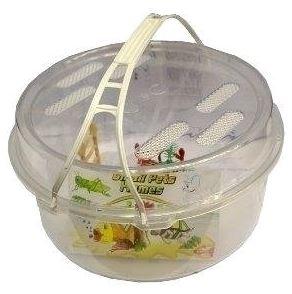
Remove the affected fish as soon as you suspect neon tetra disease. A small quarantine container — even a clean 5-litre pail with an air stone — is sufficient. Do not return this fish to the main tank. Examine the remaining shoal daily for early symptoms. If multiple fish show signs simultaneously, the infection has likely been circulating for some time through contaminated food or a carrier that died unnoticed.
Euthanasia: A Difficult but Humane Decision
Clove oil is the most humane method available to hobbyists. Add 3-4 drops of pure clove oil to a small cup of tank water, shake vigorously to emulsify, then add the fish. It will lose consciousness within seconds and pass peacefully. This spares the fish days or weeks of progressive paralysis. Never flush a live or dead fish — Singapore’s waterways do not need introduced parasites.
Protecting the Rest of Your Tank
Remove any dead fish immediately; tankmates nibbling on an infected corpse is the primary transmission route. Vacuum the substrate thoroughly and perform a 40-50% water change with dechlorinated PUB tap water. Avoid feeding live tubifex worms, which are a known vector. High-quality frozen or dry foods from reputable brands reduce risk significantly. Quarantining new fish for two weeks before adding them to your display tank is the single best preventive measure, something Gensou Aquascaping recommends to every client.
Rebuilding Your Shoal After an Outbreak
Wait at least four weeks after the last symptomatic fish before adding new neons or cardinals. Source your replacement fish from a reputable local shop — check that the display tank shows no dead or faded fish. Buy from a batch that has been in-store for at least a week, which suggests they survived the stress of import. Keeping your treat neon tetra disease guide knowledge handy means you will catch any future outbreak far earlier.
Related Reading



