
How to Lower pH in Your Aquarium Naturally: Safe Methods
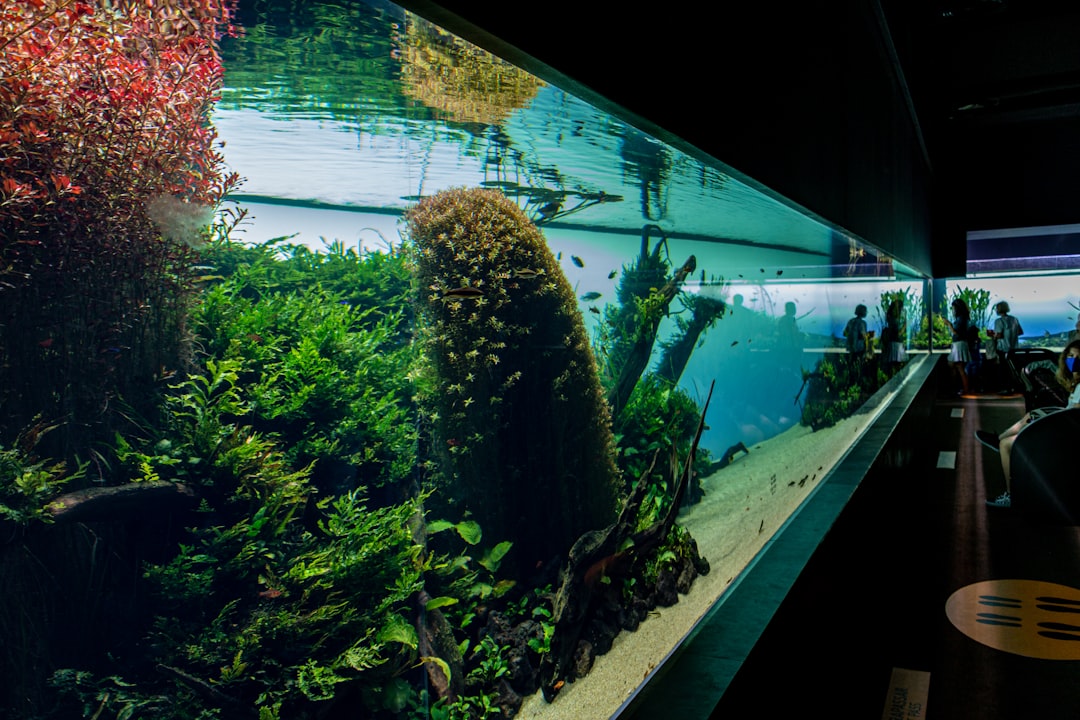
Many popular freshwater species — discus, rams, tetras, caridina shrimp — prefer acidic water below pH 7.0. This lower pH aquarium naturally guide from Gensou Aquascaping Singapore explains safe, chemical-free methods to achieve and maintain acidic conditions. With over 20 years of hands-on experience, we have tested every approach described here in lowering pH in aquariums naturally across countless setups for Singapore hobbyists.
Why pH Matters
pH influences everything from ammonia toxicity to nutrient availability for plants. At higher pH, a greater proportion of total ammonia nitrogen exists as toxic free ammonia (NH3) rather than the less harmful ammonium ion (NH4+). Fish from soft, acidic habitats also show better colouration, immune function, and breeding behaviour when kept at appropriate pH levels.
Stability trumps precision. A rock-steady pH of 7.0 is healthier than one swinging between 6.0 and 7.5 daily. Any pH adjustment method must be gradual and sustained — not a one-off dose.
Know Your Starting Point
Singapore’s PUB tap water typically registers pH 6.5–7.5, with low KH (carbonate hardness) of 1–3 dKH. Low KH means the water has minimal buffering capacity — it resists pH change poorly. This is both a blessing and a challenge: pH drops easily, but it can also swing unpredictably without a stable buffering system in place.
Test your tap water’s pH, KH, and GH before choosing a method. A liquid test kit (API or JBL) provides more accurate readings than paper strips. Record results at the same time of day, since CO2 fluctuations cause diurnal pH swings in planted tanks.
Indian Almond Leaves and Botanicals
Dried leaves from Terminalia catappa (Indian almond tree) release tannins and humic acids as they decompose, gently lowering pH by 0.2–0.5 units depending on volume and quantity. Add one medium leaf per 20 litres and replace fortnightly as it breaks down.
Other effective botanicals include alder cones, rooibos tea bags, and dried guava leaves — all available from local sellers on Shopee for a few dollars. These also provide mild antifungal and antibacterial properties. The resulting amber tint replicates blackwater conditions favoured by many tropical species.
Driftwood
Wood releases tannins and organic acids over months. Malaysian driftwood and mopani wood are particularly effective. A substantial piece in a 60-litre tank can lower pH by 0.3–0.5 units over several weeks. Pre-soaking for one to two weeks reduces the initial tannin surge and prevents excessive water discolouration.
Driftwood offers the added benefit of providing surfaces for biofilm, attachment points for epiphyte plants, and natural aesthetics in any aquascape.
Active Buffering Substrates
Aqua soils like ADA Amazonia, Tropica Aquarium Soil, and UNS Controsoil actively pull pH down to 5.5–6.5 through ion exchange. They absorb potassium, calcium, and magnesium while releasing hydrogen ions. This buffering effect lasts 12–18 months before the substrate becomes inert.
Active substrates are the most reliable long-term method for maintaining low pH in planted tanks. They work continuously, buffering against the upward pH pressure from water changes with higher-pH tap water. For shrimp breeders in Singapore maintaining caridina colonies, aqua soil is virtually mandatory.
CO2 Injection
Pressurised CO2 systems dissolve carbon dioxide into the water, forming carbonic acid that lowers pH. In tanks with low KH, even modest CO2 injection rates produce significant pH drops — often 1.0–1.5 units from degassed baseline. This dual benefit of lower pH and enhanced plant growth makes CO2 the method of choice for planted aquascapes.
Be cautious: CO2 only lowers pH while the gas is being injected. When the solenoid shuts off at night, pH rises back. This daily swing is generally tolerable for fish but can stress sensitive invertebrates. A drop checker showing lime green indicates approximately 30 ppm — the standard target.
Peat Filtration
Placing peat granules or peat fibre in a filter media bag inside your canister or hang-on-back filter releases humic and fulvic acids. The effect is similar to botanicals but more concentrated and controllable. Start with a small amount — 50 g per 50 litres — and monitor pH over a week before adjusting quantity.
Peat darkens water noticeably. If you prefer clear water with low pH, combine active substrate with RO water remineralised to target GH, bypassing botanicals entirely.
Methods to Avoid
Concentrated acid additives (pH Down products) create sharp, temporary drops that rebound within hours — stressful and potentially lethal. Vinegar and citric acid are equally problematic. These quick fixes do not address the underlying buffering chemistry and cause more harm than benefit.
This lower pH aquarium naturally guide prioritises methods that work with your water’s chemistry rather than against it. Gensou Aquascaping Singapore always recommends gradual, sustained approaches — your fish and plants will reward that patience with vibrant health and colour.
Related Reading



