
Tangerine Tiger Shrimp Care Guide: Caridina Serrata Orange
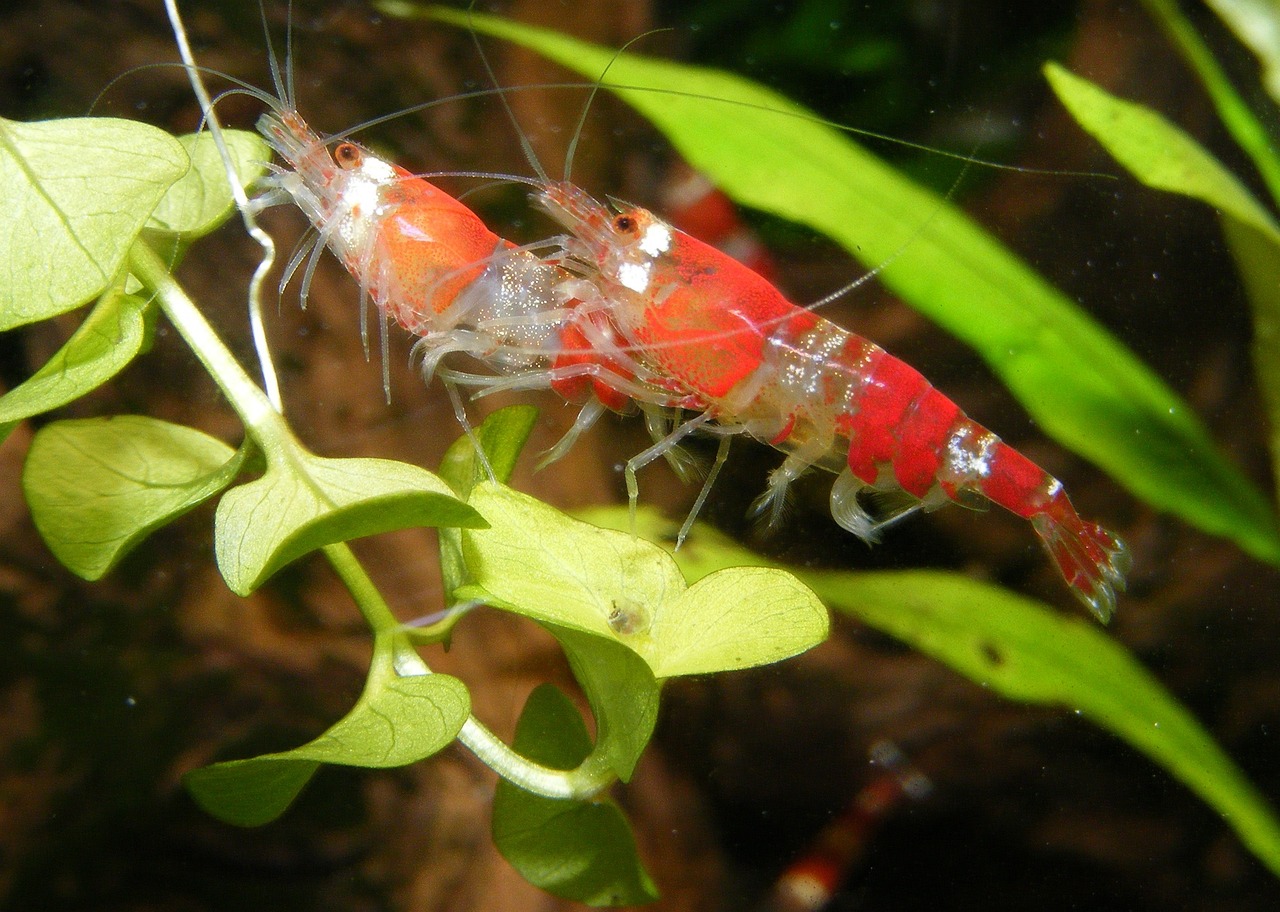
Orange-hued shrimp are perennial favourites in the planted tank hobby, but the tangerine tiger stands apart with its bold stripes and fiery colour. This tangerine tiger shrimp care guide from Gensou Aquascaping Singapore, developed over 20 years of hands-on aquascaping at 5 Everton Park, details the specific conditions Caridina serrata “orange” needs to thrive. With the right setup, a tangerine tiger shrimp colony multiplies steadily and produces increasingly vivid offspring.
Species Identification
Caridina serrata in its tangerine form displays a translucent orange body overlaid with thin dark tiger stripes running vertically along the carapace. Intensity varies by lineage — top-grade specimens show deep, saturated orange with sharply defined stripes. Adults reach 2.5–3 cm.
Do not confuse tangerine tigers with orange neocaridina (cherry shrimp). Tangerine tigers are caridina species requiring different water parameters — a critical distinction that determines success or failure.
Tank Setup
A 20-litre nano tank supports a starter colony of 10–15 shrimp, though 30–40 litres gives the colony room to grow naturally. Use an active buffering substrate such as ADA Amazonia or Tropica Aquarium Soil to maintain the acidic conditions these shrimp require.
Sponge filtration is essential — it provides both biological filtration and a biofilm grazing surface without risking shrimplets in impeller intakes. Add java moss, Bucephalandra, and Indian almond leaves for cover and supplemental food. A mature tank with established biofilm dramatically improves survival rates for both adults and juveniles.
Water Parameters
Tangerine tigers need soft, acidic water: pH 6.0–6.8, GH 4–6 dGH, KH 0–2 dKH, TDS 100–180 ppm, and temperature 20–25 °C. Singapore’s PUB tap water is too mineral-rich and chloramine-treated to use directly. Most serious shrimp keepers use RO (reverse osmosis) water remineralised with a GH-only product like Salty Shrimp GH+.
Temperature deserves attention in our tropical climate. Ambient room temperatures of 28–32 °C exceed the ideal range. A small aquarium fan blowing across the surface reduces water temperature by 2–4 °C through evaporative cooling. Dedicated breeders in Singapore often keep shrimp tanks in air-conditioned rooms to maintain 22–24 °C consistently.
Feeding
Biofilm and decaying plant matter form the dietary backbone. Supplement with shrimp-specific foods — Shrimp King Complete, Glasgarten Bacter AE for biofilm enhancement, and blanched vegetables like spinach and courgette. Feed sparingly, three to four times per week. Overfeeding in small volumes spikes ammonia rapidly.
Mineral supplements matter for moulting success. Ensure calcium and magnesium levels stay within range by maintaining consistent GH. A small piece of cuttlebone in the tank dissolves slowly and provides additional mineral support.
Breeding
Females carry 20–30 eggs for roughly 28–30 days before releasing fully formed shrimplets. There is no larval stage — juveniles are miniature replicas of adults and immediately begin grazing on biofilm. Maintaining stable parameters and a mature tank is the single most important breeding trigger.
Colony growth is moderate — slower than neocaridina but faster than Sulawesi species. Expect the first berried female within four to six weeks of establishing the colony, assuming conditions are correct. Selective breeding over generations intensifies both colour saturation and stripe definition.
Colour Grading and Selection
Not all tangerine tigers are equal. High-grade specimens show solid orange colouration between distinct dark stripes with no translucency. Lower grades appear washed out with faint or broken stripes. When purchasing, request photos under neutral white lighting — blue or warm-toned LEDs can misrepresent colour.
Cull or separate dull individuals if you aim to improve the colony’s colour over time. Many breeders maintain a separate “cull” tank rather than discarding less colourful shrimp.
Tank Mates
Species-only setups produce the best breeding results. If you must add companions, limit choices to small, peaceful species that will not predate on shrimplets: otocinclus, pygmy corydoras, or small snails like Clithon species. Avoid all fish large enough to eat juvenile shrimp — which includes most community species.
Mixing with other caridina species risks hybridisation. Keep tangerine tigers separate from crystal red shrimp, bee shrimp, and Taiwan bee lineages unless you intentionally breed hybrids.
Sourcing in Singapore
Hobbyist breeders on Carousell and Shopee offer tangerine tigers at $3–$8 per shrimp depending on grade. Buying directly from local breeders ensures stock acclimatised to Singapore conditions. Purchase at least 10 to ensure a healthy gender ratio and genetic diversity.
This tangerine tiger shrimp care guide provides the framework for a thriving colony. Gensou Aquascaping Singapore has seen these shrimp flourish in local setups when keepers commit to stable water chemistry and resist the temptation to overcomplicate things.
Related Reading
- How to Breed Tangerine Tiger Shrimp: Caridina Colour Selection
- Blue Tiger Shrimp Care Guide: Orange Eyes and Blue Stripes
- Amano Shrimp Breeding Challenges: Larval Stages and Saltwater Phase
- How to Breed Amano Shrimp: The Challenging but Rewarding Process
- Amano Shrimp vs Cherry Shrimp: Which Is Better for Your Tank?



