
How to Prevent Fish From Jumping Out of Your Aquarium
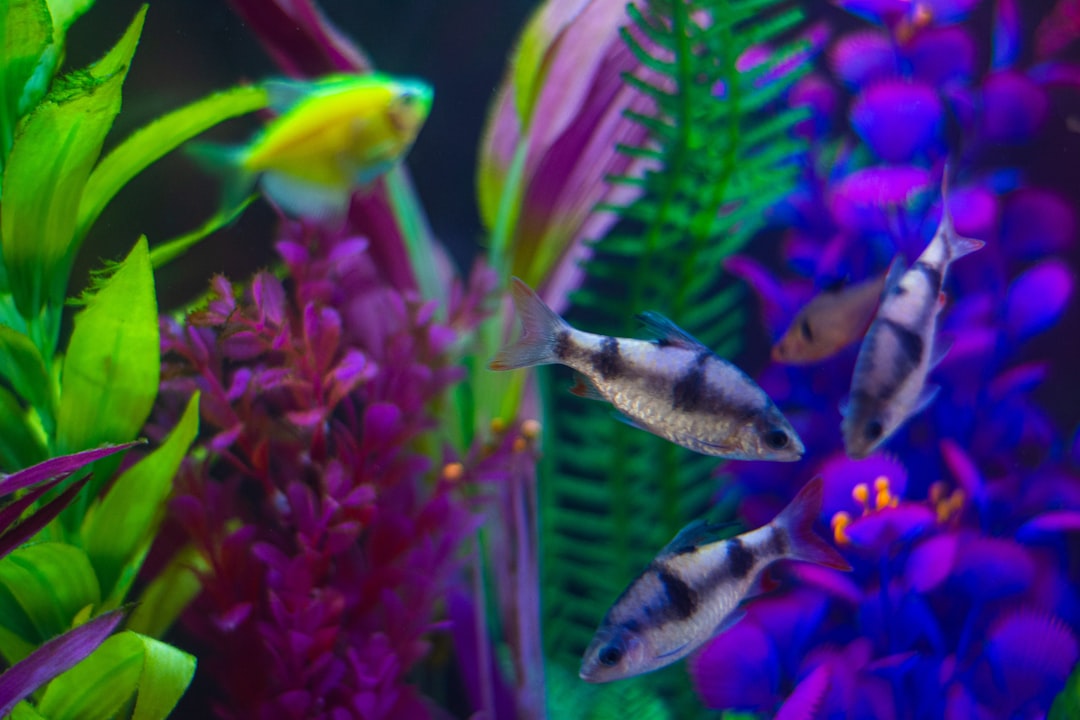
Finding a prized fish dried on the floor is one of the hobby’s most devastating experiences — and one of the most preventable. This prevent fish jumping out aquarium guide from Gensou Aquascaping Singapore addresses the causes, at-risk species, and practical solutions for keeping livestock safely inside the tank. With over 20 years of hands-on experience, we have seen this problem repeatedly among Singapore hobbyists who favour open-top rimless aquascapes. Here is how to prevent fish from jumping out without compromising your tank’s aesthetics.
Why Fish Jump
Jumping is rarely random. Common triggers include poor water quality (ammonia or nitrite spikes), aggression from tank mates, sudden disturbances (slamming doors, children tapping the glass), parasitic irritation, and breeding behaviour. Some species are simply hardwired to jump — it is their instinct for escaping predators or moving between water bodies in the wild.
Nighttime is peak jumping time. Startled fish in a dark room react explosively, launching upward before recognising the boundary. Many overnight losses go unnoticed until morning.
High-Risk Species
Certain fish jump more than others. Known jumpers common in Singapore tanks include:
- Hatchetfish — among the most prolific jumpers in the hobby
- Killifish — virtually all species are escape artists
- Rainbowfish and pseudomugils — especially during courtship chasing
- Bettas — particularly when stressed or in divided tanks
- Corydoras — occasional panicked vertical lunges during water changes
- Hillstream loaches — climb wet glass surfaces and exit through small gaps
Even species not typically listed as jumpers can surprise you. Any fish will jump under enough stress.
Cover Options for Rimless Tanks
Open-top rimless tanks dominate the aquascaping scene in Singapore for good reason — they look stunning and provide easy maintenance access. But they leave fish one leap away from disaster. Several cover options preserve the clean aesthetic:
- Clear acrylic or glass lids cut to size — nearly invisible from normal viewing angles, $15–$40 from local suppliers
- DIY mesh screens using aluminium window screen material and a simple frame — lightweight and ventilation-friendly
- Floating plant coverage — a dense mat of Salvinia or Pistia physically discourages jumping, though gaps remain a risk
Whichever option you choose, ensure it accounts for filter inlet/outlet and CO2 tubing without leaving gaps wider than 1 cm.
Reduce the Water Level
Lowering the water line by 5–8 cm below the rim significantly reduces successful escapes. Fish that jump still hit the glass wall above the waterline and fall back in. This simple adjustment is especially effective for shorter tanks (30 cm height or less) commonly used in nano setups.
The trade-off is reduced water volume — a meaningful consideration in small tanks. In a 20-litre nano, 5 cm less depth may cost 3–4 litres of total volume, increasing parameter instability. Balance this against the jump risk for your specific livestock.
Address Water Quality
Fish in clean, stable water jump far less than those in deteriorating conditions. Maintain ammonia and nitrite at 0 ppm, nitrate below 20 ppm, and pH within species-appropriate range. In Singapore’s warm climate, organic waste decomposes faster, so a robust filtration system and consistent water change schedule matter more than in temperate environments.
Test water parameters after any jumping incident. It often reveals an underlying quality issue that, once corrected, stops further attempts entirely.
Minimise Stress and Aggression
Overcrowding and territorial aggression are major jump triggers. Provide adequate space, line-of-sight breaks using plants and hardscape, and compatible tank mates. A fish being chased relentlessly by a dominant individual will eventually try to escape the only way it can — upward.
Acclimate new arrivals slowly using the drip method. Abrupt introduction into an unfamiliar environment causes panic responses, including jumping. Turn off tank lights during the first hour after adding new fish.
Night-Time Precautions
Avoid turning on bright room lights suddenly at night when the tank is dark. The shock startles fish into frantic movement. If you need to check the tank after dark, use a dim torch or phone screen first to let fish adjust gradually.
A low-wattage moonlight LED left on overnight reduces startle responses. Many modern aquarium lights include a moonlight mode — use it. The energy cost is negligible.
What to Do If a Fish Jumps Out
Act immediately. Even a fish that appears dead may revive if returned to water within minutes. Gently place it back in the tank without rinsing — the slime coat may still be partially intact. Add a stress coat conditioner. Some fish recover fully even after several minutes out of water, though gill damage from drying can cause delayed mortality.
This prevent fish jumping out aquarium guide covers the most effective strategies available. Gensou Aquascaping Singapore recommends a physical barrier — even a simple mesh screen — as the most reliable solution. Prevention is always cheaper and less heartbreaking than replacement.
Related Reading

emilynakatani
Still Have Questions About Your Tank?
Drop by Gensou Aquascaping — most walk-in questions get answered in under 10 minutes by someone who has set up hundreds of tanks.
5 Everton Park #01-34B, Singapore 080005 · Open daily 11am – 8pm


