
How to Treat Velvet Disease in Freshwater Aquariums
Velvet disease is one of the most lethal parasitic infections in freshwater aquariums — more aggressive than ich and often misdiagnosed until significant damage has occurred. This treat velvet disease freshwater aquarium guide from Gensou Aquascaping Singapore, informed by over 20 years of hands-on fishkeeping, walks you through identification, treatment, and prevention. Acting quickly to treat velvet disease in freshwater aquariums dramatically improves survival rates, so early recognition is critical.
What Causes Velvet Disease
Velvet is caused by Piscinoodinium pillulare (sometimes classified as Oodinium), a parasitic dinoflagellate that attaches to fish skin and gills. Unlike ich, which is caused by a ciliated protozoan, velvet parasites contain chlorophyll and can partially photosynthesise — a trait that informs treatment strategy.
The parasite has a three-stage life cycle: trophont (attached feeding stage on the fish), tomont (reproductive cyst stage in the substrate), and dinospore (free-swimming infectious stage). Only the dinospore stage is vulnerable to medication, making timing essential.
Identifying Velvet Symptoms
Early velvet appears as a fine, dusty coating on the fish’s body — often described as gold, rust, or yellowish powder. Shine a torch at the fish from an angle in a darkened room; the parasites reflect light distinctly. Ich spots are larger and white; velvet particles are much finer and uniformly distributed.
Behavioural signs include flashing (rubbing against surfaces), clamped fins, rapid gill movement, lethargy, and loss of appetite. Gill infestation — invisible externally — causes respiratory distress before skin symptoms become obvious. Fish gasping at the surface despite adequate oxygenation should raise immediate suspicion.
Immediate First Steps
Upon suspecting velvet, act the same day. Delay of even 48 hours allows the parasite to multiply exponentially. Begin with these measures:
- Raise temperature to 30 °C to accelerate the parasite’s life cycle — in Singapore’s climate, this often requires only a minor heater adjustment
- Dim or turn off aquarium lights — Piscinoodinium uses light for energy during its free-swimming stage
- Increase aeration — higher temperatures reduce dissolved oxygen, and gill-damaged fish need every advantage
Medication Options
Copper-based treatments are the gold standard for velvet. Copper sulphate or chelated copper products (Seachem Cupramine, Kordon Rid-Ich Plus) kill dinospores effectively. Dose according to manufacturer instructions and monitor copper concentration with a test kit — therapeutic range is 0.15–0.25 ppm for chelated copper.
Important warnings: copper is lethal to shrimp, snails, and most invertebrates. If your tank houses invertebrates, treat affected fish in a separate hospital tank. Copper also binds to activated carbon — remove all chemical filtration media before dosing.
Malachite green with formalin (available in products like Blue Planet’s White Spot Remedy) is an alternative for tanks where copper residue is a concern. Follow dosing precisely; formalin is toxic in excess.
Treatment Duration
Continue medication for a full 14 days — longer than many hobbyists expect. The encysted tomont stage can survive for up to a week on the substrate before releasing dinospores. Stopping treatment early allows surviving cysts to reinfect seemingly recovered fish.
Maintain elevated temperature (30 °C) throughout the treatment period. Perform 25 % water changes every three days, redosing medication to replace what was removed. Test copper levels after each change to maintain therapeutic concentration.
Treating the Whole Tank
Velvet spreads rapidly. By the time one fish shows symptoms, dinospores have likely already infected others. Treat the entire display tank rather than isolating individual fish, unless invertebrates force you to use a hospital tank. Asymptomatic fish may already be carrying trophonts on their gills.
Clean the substrate with a gravel vacuum during water changes to remove encysted tomonts mechanically. This reduces the parasite load and speeds eradication.
Prevention
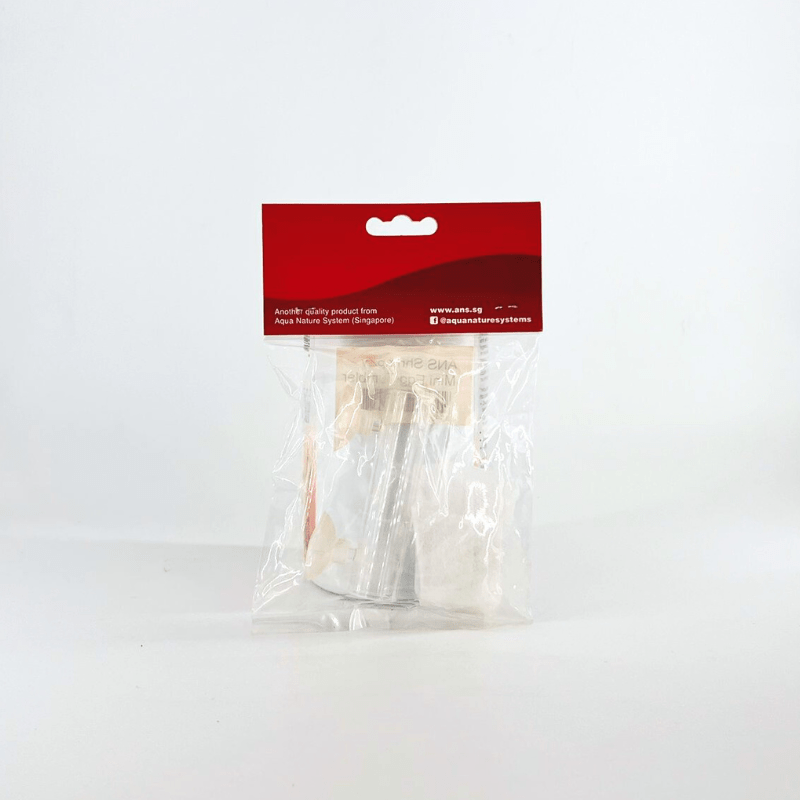
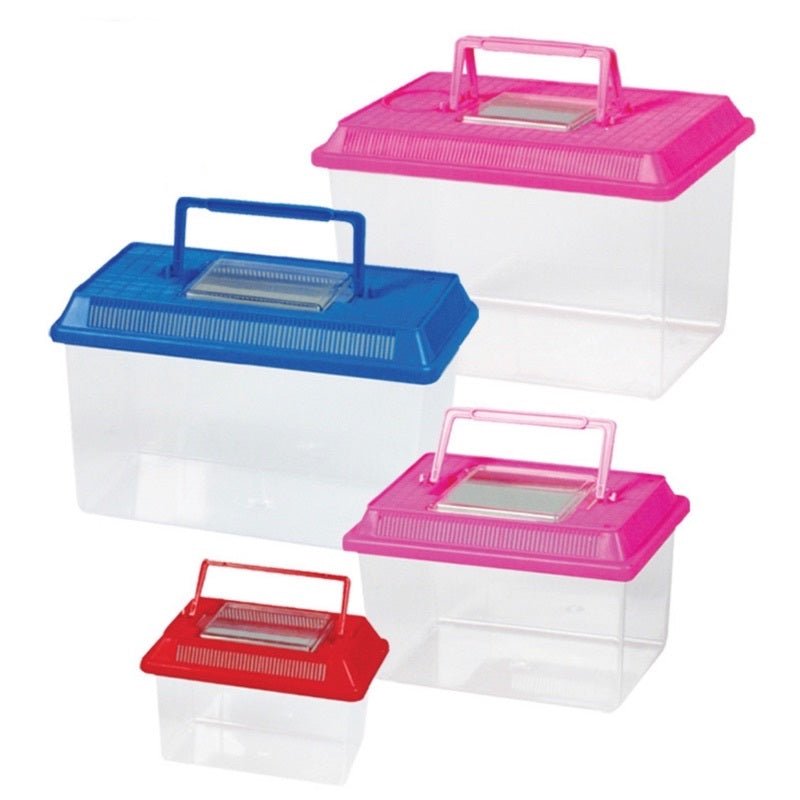
Quarantine every new fish for at least three weeks before adding to the main display. A bare-bottom quarantine tank with a sponge filter and heater costs under $50 to set up — far less than replacing an entire tank of livestock.
Maintain excellent water quality. Stressed fish with compromised immune systems are more susceptible to parasitic infection. In Singapore, where ambient warmth accelerates pathogen reproduction, consistent maintenance routines are especially important. Weekly 25 % water changes, proper filtration, and appropriate stocking levels form the foundation of disease prevention.
Recovery and Aftercare
After completing the 14-day treatment course, gradually reduce temperature back to normal over three days. Resume carbon filtration to remove residual medication. Monitor fish closely for two weeks — recurrence indicates surviving cysts and necessitates a second full treatment round.
Following this treat velvet disease freshwater aquarium guide gives your fish the best chance of recovery. Gensou Aquascaping Singapore stresses that speed and persistence are the two most important factors — diagnose early, treat aggressively, and complete the full course without shortcuts.
Related Reading



