
How to Prevent Algae in a New Tank: First 90 Days
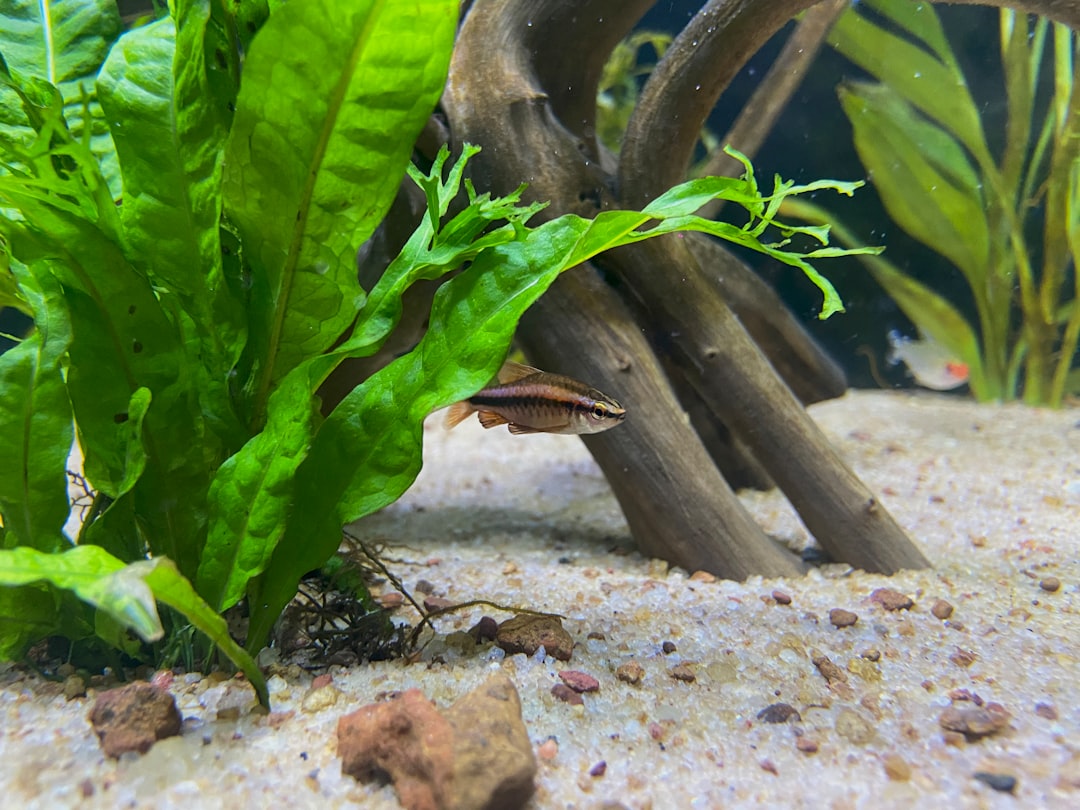
This prevent algae new tank guide walks you through the critical first 90 days of a planted aquarium, when the risk of algae outbreaks is highest. New tanks lack the biological maturity to compete with algae, so proactive management during this window is essential. At Gensou Aquascaping at 5 Everton Park, we have helped hundreds of hobbyists navigate this phase successfully, and the strategies below reflect our hands-on experience with Singapore conditions. This guide sits inside our broader Planted Tank Complete Hub reference.
Why New Tanks Are Vulnerable to Algae
In a freshly set up aquarium, the nitrogen cycle is incomplete, plant root systems are undeveloped, and beneficial bacteria populations are still establishing. This creates a nutrient surplus — ammonia, organic compounds and minerals are plentiful, but nothing is consuming them efficiently yet. Algae, which are opportunistic by nature, exploit this imbalance and colonise any available surface.
The first 90 days represent the transition from an unstable new tank to a mature ecosystem where plants, bacteria and fauna work together to keep nutrients in check. Your goal during this period is to tip the balance in favour of plants and away from algae.
Week One to Two: Start Low and Slow
Begin with a reduced photoperiod of five to six hours per day. Even if your lighting fixture is capable of high output, dial it back to 50 to 60 per cent intensity. Algae respond to light more quickly than newly planted stem plants, so limiting light energy gives plants a head start without fuelling algae growth.
If you are using nutrient-rich aquasoil, avoid adding liquid fertilisers during the first two weeks. Aquasoils leach ammonia and nutrients into the water column during this period, and additional dosing simply adds fuel for algae. Perform water changes of 50 per cent every other day to dilute excess ammonia and organic compounds.
Week Three to Four: Establish the Routine
Gradually extend the photoperiod to seven hours and increase light intensity to 70 per cent. Begin dosing a lean fertiliser regime — about half the recommended amount on the bottle. This supports plant growth without overwhelming the system.
Continue water changes at 30 to 50 per cent twice per week. Monitor ammonia and nitrite levels with a test kit. If either reading is above zero, the cycle is not yet complete and livestock should not be introduced.
Month Two: Ramp Up Gradually
By the fifth or sixth week, your nitrogen cycle should be approaching maturity. Ammonia and nitrite readings should be consistently at zero. At this point, you can increase the photoperiod to eight hours, raise light intensity to full output, and dose fertilisers at the manufacturer’s recommended levels.
Introduce your first livestock gradually — a small clean-up crew of Amano shrimp and Otocinclus catfish is ideal. Amano shrimp consume soft filamentous algae, while Otocinclus graze on diatoms and biofilm. These species provide biological algae control that complements your maintenance routine.
Month Three: Fine-Tune and Stabilise
By the end of the third month, your tank should be approaching maturity. Plants will have established root systems and be growing actively, outcompeting algae for nutrients. Reduce water changes to once per week at 30 per cent volume, which is a sustainable long-term schedule.
If you have been running CO2, ensure levels are stable throughout the photoperiod. Fluctuating CO2 is a major algae trigger — use a drop checker to verify that concentration remains in the green zone from lights-on to lights-off.
Key Practices That Prevent Algae
Plant densely from day one. Fill at least 70 per cent of the substrate with plants, including fast-growing stem species that absorb nutrients aggressively. Floating plants like Salvinia or Amazon Frogbit are excellent temporary additions that shade the water and consume excess nutrients.
Avoid overfeeding once livestock is added. Uneaten food decomposes and releases phosphate and ammonia, both of which promote algae. Feed once daily in small quantities that are consumed within two minutes.
Keep your filter clean but do not over-maintain it. Rinse mechanical media in old tank water every two to four weeks. Never replace all media at once, as this destroys your bacterial colony and can restart the cycling process.
Dealing with Common Early Algae Types
Diatoms, the brown coating that appears on glass and hardscape during weeks two to four, are almost universal in new tanks. They are harmless and typically disappear on their own as silicate levels drop. Otocinclus catfish make quick work of diatom films.
Hair algae and green dust algae may appear if light and nutrients are imbalanced. Reduce the photoperiod by one hour, increase CO2 if applicable, and ensure your fertiliser regime is balanced. Manual removal with a toothbrush or tweezers keeps these types in check while you adjust conditions.
Patience Pays Off
The first 90 days require more hands-on attention than any other phase of aquarium keeping. Resist the temptation to chase problems with drastic changes — small, consistent adjustments yield the best results. Once your tank matures, the maintenance burden drops significantly and algae becomes a rare nuisance rather than a persistent battle. Visit Gensou Aquascaping for cycling supplies, healthy plants and expert guidance tailored to Singapore’s water and climate conditions.
Related Reading



