
Wild Betta Species Guide: Beyond Splendens Into the Forest
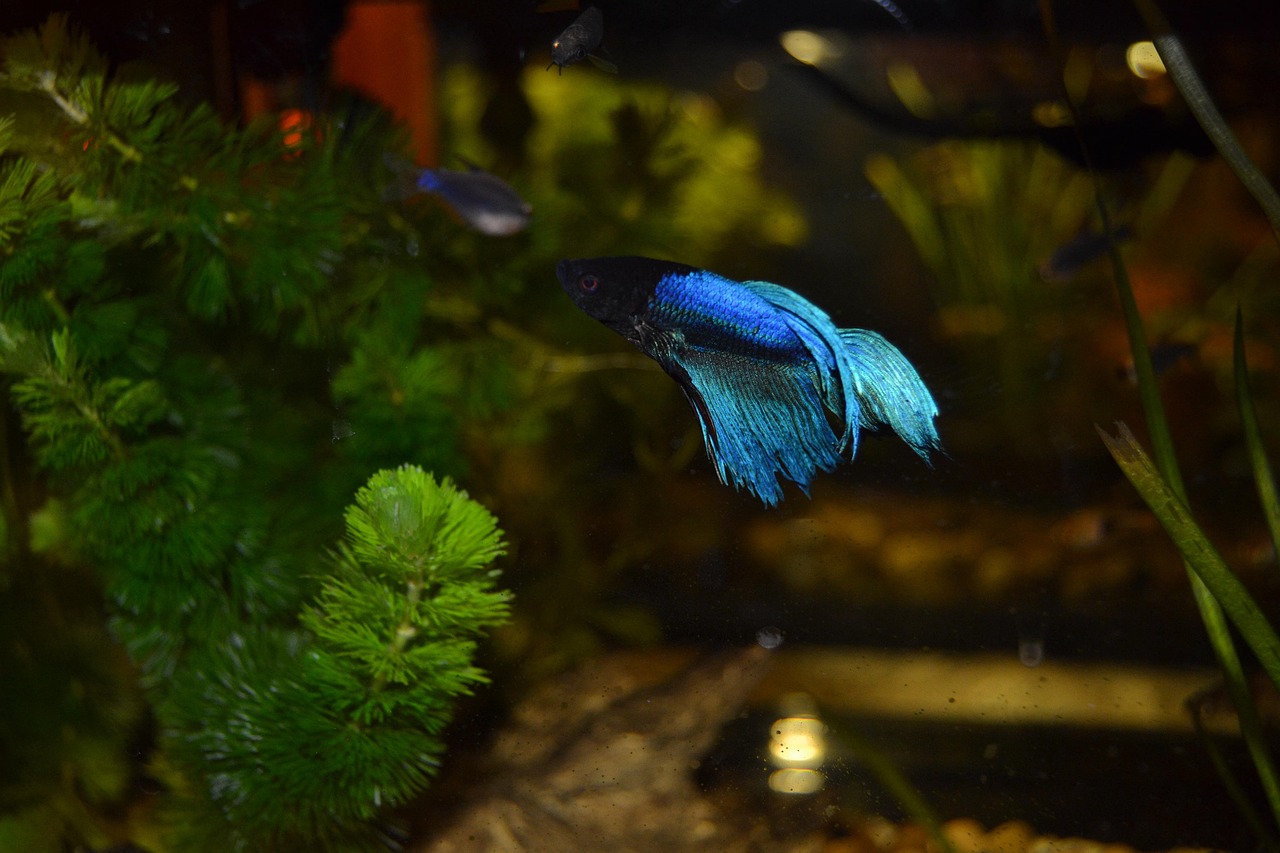
Most people think “betta” means the flamboyant, long-finned fish sold in cups at pet shops. In reality, the genus Betta contains over 70 described species — the vast majority wild, undomesticated, and far more fascinating than many hobbyists realise. This wild betta species guide from Gensou Aquascaping at 5 Everton Park, Singapore, introduces the diversity beyond B. splendens and explains what it takes to keep these forest-dwelling fish successfully. This guide sits inside our broader Tropical Fish Species Master Index reference.
The Genus Betta: Scope and Classification
Taxonomists currently recognise over 70 Betta species, grouped into complexes based on shared ancestry. The splendens complex includes the familiar pet betta plus close relatives like B. imbellis, B. smaragdina, and B. mahachaiensis. Other complexes — coccina, albimarginata, unimaculata, foerschi — contain species with radically different appearances and behaviours.
New species are still being described regularly. Southeast Asia’s peat swamps, forest streams, and highland rivers harbour undocumented populations, some already threatened by habitat loss before science has catalogued them.
Splendens Complex: The Approachable Wilds
Betta imbellis, the peaceful betta, is native to southern Thailand and northern Malaysia. Males display iridescent blue-green scaling on a dark body with red fin edging — understated compared to domestic splendens but genuinely beautiful. They tolerate community setups far better than their aggressive cousin and breed readily in planted tanks.
Betta smaragdina from northeast Thailand and Laos offers similar ease of care with emerald-green iridescence. Betta mahachaiensis, discovered as recently as 2012 near Bangkok, lives in brackish mangrove habitats — an unusual niche within the genus. All three species occasionally appear in Singapore’s specialist shops and online listings, priced at $10–$30 per pair.
Coccina Complex: Miniature Jewels
The coccina complex contains some of the smallest and most striking wild bettas. Betta coccina itself is a deep wine-red fish barely 4 cm long, native to blackwater peat swamps in Peninsular Malaysia and Sumatra. Related species like B. livida, B. persephone, and B. miniopinna share this jewel-like colouration and diminutive size.
These fish require soft, acidic water — pH 4.0–5.5, GH below 2 dGH — conditions far more extreme than standard tap water. Hobbyists use reverse osmosis water remineralised to target parameters, plus Indian almond leaves and peat to tint the water dark brown. It is specialist keeping, but the reward is a biotope aquascape that looks like a slice of rainforest floor.
Mouthbrooding Species
While splendens-complex bettas are bubblenest builders, many wild species are paternal mouthbrooders. Males incubate eggs in their mouths for 10–21 days, neither eating nor spitting until the fry are free-swimming. Betta albimarginata, B. channoides, and B. unimaculata are popular mouthbrooding species in the hobby.
Betta albimarginata is arguably the most beginner-friendly mouthbrooder — peaceful, small (5 cm), and tolerant of a wider pH range than coccina-complex fish. Pairs can be kept in 30-litre tanks with plenty of hiding spots. Watching a male release fully formed fry after weeks of oral incubation is one of the hobby’s most memorable experiences.
Sourcing Wild Bettas in Singapore
Singapore’s position as a regional aquatics hub means wild bettas appear more frequently here than in most Western markets. Specialist shops occasionally stock B. imbellis, B. albimarginata, and B. channoides. Online, Carousell and dedicated Facebook groups connect hobbyist breeders who maintain captive-bred colonies — always the preferred source over wild-caught specimens.
Prices vary widely: common species like B. imbellis go for $8–$15 each, while rare coccina-complex species can reach $40–$80 per pair. Always ask whether fish are captive-bred or wild-caught, and quarantine new arrivals for two weeks minimum.
Setting Up a Wild Betta Tank
Most wild bettas prefer subdued lighting, dark substrates, dense plant cover, and gentle or zero flow. Leaf litter — ketapang, guava, or oak — provides tannins, microhabitats, and infusoria for fry. A 30–60 litre tank suits most species, with a sponge filter providing biological filtration without disruptive current.
Singapore’s tap water works for splendens-complex wilds after dechloramination, but coccina and some mouthbrooding species need RO water. Factor this ongoing cost into your decision before committing to a species. This wild betta species guide is just the entry point — each complex deserves dedicated research before purchase.
Related Reading
- Types of Betta Fish With Pictures: Every Tail and Colour Type
- Southeast Asian Peat Swamp Biotope Aquascape: Dark Water and Leaf Litter
- Most Expensive Betta Fish in the World: Rare Colours and Auction Records
- Female Betta Fish Care Guide: Colour, Temperament and Sorority Tips
- Betta Fish Water Temperature Guide: Ideal Range and Heater Tips



