


Guppy Care Guide: Breeding, Colours and Tank Setup
Guppies are the gateway fish for countless hobbyists — inexpensive, colourful, and almost absurdly easy to breed. This guppy care guide breeding colours resource from Gensou Aquascaping Singapore, based at 5 Everton Park with over 20 years of hands-on experience, covers everything from tank setup to selective colour breeding. Whether you picked up your first trio from a Serangoon North shop or inherited a friend’s tank, getting the fundamentals right ensures years of vibrant, healthy fish.
Tank Setup for Guppies
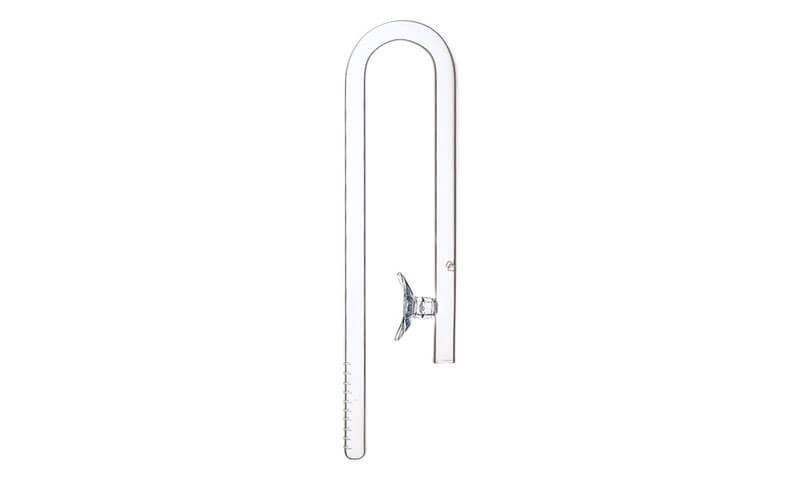
A 40-litre tank comfortably houses a colony of eight to ten guppies, though 60 litres gives breeding populations more room to grow. Guppies occupy the mid-to-upper water column, so a longer tank with ample horizontal swimming space suits them better than a tall, narrow design. A gentle hang-on-back filter and a basic LED light are all you need to start.
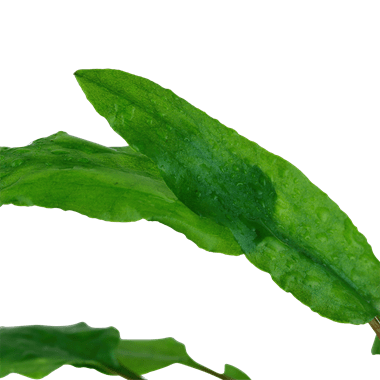
Live plants like Java moss, Ceratophyllum demersum (hornwort), and Vallisneria provide cover for fry and help absorb nitrates. In Singapore’s climate, plants grow vigorously year-round without supplemental CO2, making a planted guppy tank one of the lowest-effort setups available.
Water Parameters
Guppies thrive in a pH of 6.8–8.0 and a temperature of 24–28 °C — perfectly aligned with Singapore’s ambient conditions and PUB tap water after dechloramination. They tolerate a GH of 8–15 dGH, slightly harder than raw Singapore tap water (GH 2–4), so some keepers add crushed coral or a mineral supplement to boost hardness.
Weekly 25 % water changes with a quality water conditioner keep ammonia and nitrite at zero. Guppies are forgiving of minor fluctuations, but consistently poor water leads to clamped fins and tail rot — two of the earliest warning signs of stress.
Feeding for Growth and Colour
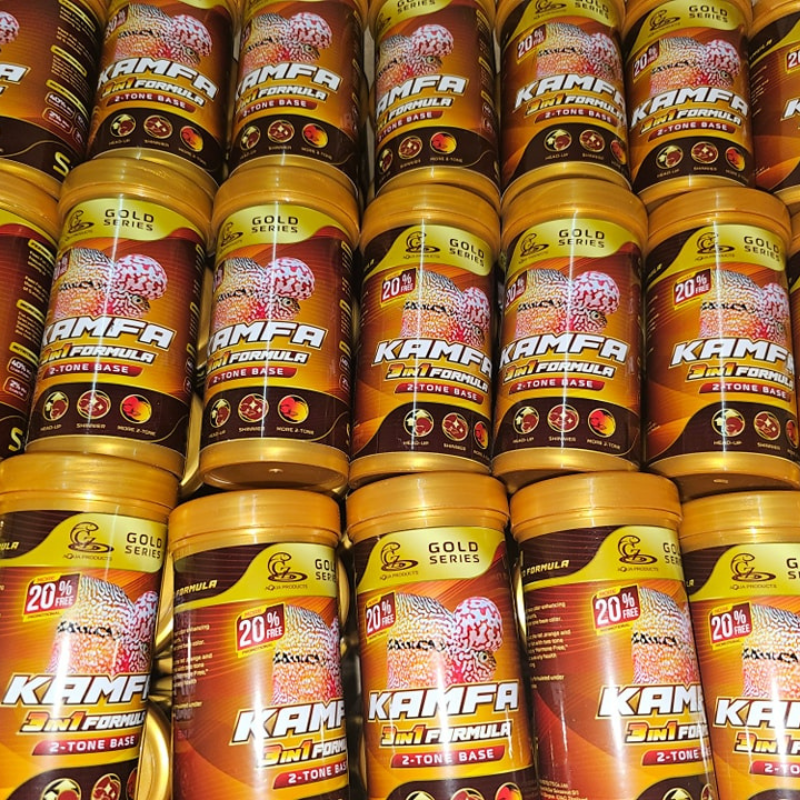
High-quality micro pellets or flakes formulated for tropical fish form the staple diet. Feed what the colony finishes in 60–90 seconds, twice daily. Supplement with frozen bloodworms, daphnia, and baby brine shrimp two to three times a week. Colour-enhancing foods containing astaxanthin and spirulina intensify reds, blues, and yellows over several weeks.
Variety matters enormously. A monotonous flake-only diet dulls colour and stunts growth. Newly hatched brine shrimp are especially valuable for fry and juvenile fish — the high protein content accelerates development noticeably.
Understanding Guppy Colour Genetics
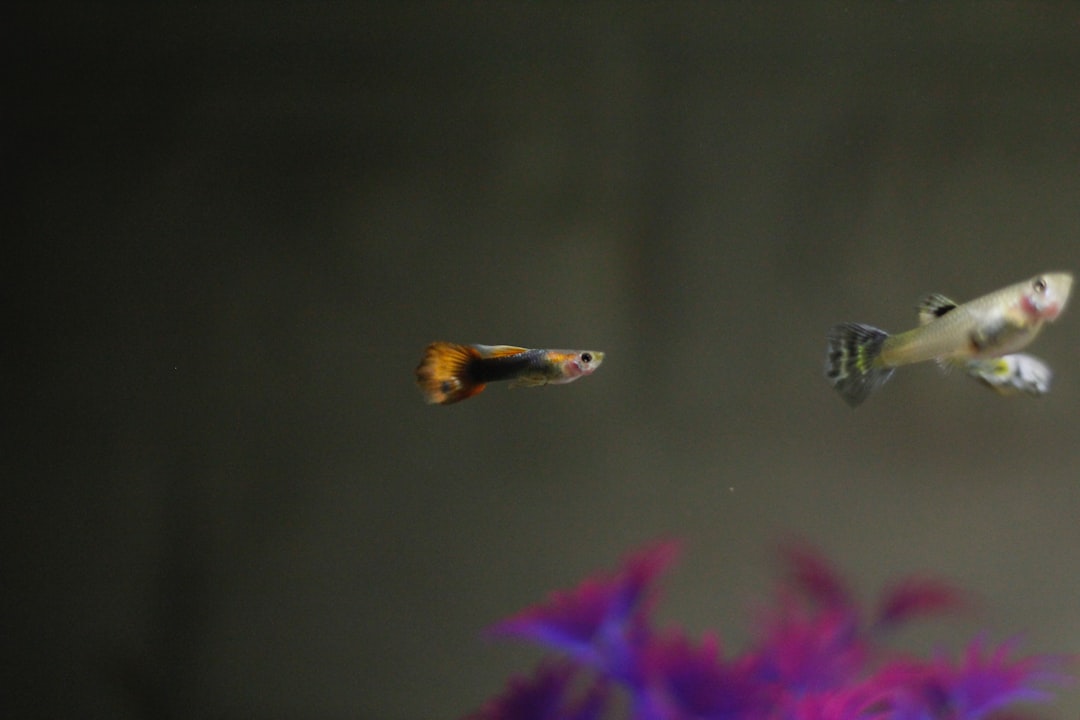
Guppy colour is sex-linked, meaning the most dramatic patterns appear on males. Common phenotypes include cobra (snakeskin body pattern), tuxedo (dark lower body), Moscow (solid metallic colour), and dumbo ear (enlarged pectoral fins). Tail shapes range from delta and veil to round, spear, and sword.
Selective breeding starts with isolating a desired pair in a separate 20-litre tank. Because females store sperm for multiple batches, use virgin females — those separated before sexual maturity at around four weeks — for controlled line breeding. Singapore’s guppy community on Carousell and Facebook groups is a solid resource for sourcing specific colour lines at $5–$20 per pair.
Breeding Basics
Guppies are livebearers, delivering fully formed fry every 25–35 days. A single female produces 20–50 fry per drop. Without separation, adults readily eat newborns, so dense planting or a breeding box improves fry survival. Maintain a ratio of two to three females per male to reduce harassment — relentless chasing exhausts females and suppresses breeding output.
Fry grow quickly in warm water, reaching sexable size by four to six weeks. Cull or rehome surplus fish regularly to prevent overcrowding. An overstocked guppy tank deteriorates fast, with ammonia spikes and disease following close behind.
Common Health Issues
Fin rot, caused by Pseudomonas or Aeromonas bacteria, is the most frequent guppy ailment. Early stages — ragged fin edges with white or red margins — respond well to clean water and aquarium salt at 1 g per litre. Advanced cases may need antibacterial medication. White spot (ich) and velvet disease also appear, especially in newly imported fish that were not properly quarantined.
Prevention beats treatment every time. Stable parameters, varied diet, and a two-week quarantine for new arrivals eliminate most health issues before they start.
Why Guppies Suit Singapore Hobbyists
No chiller, no heater, minimal equipment, and endless colour variety — guppies check every box for tropical fishkeeping. At Gensou Aquascaping, we see guppies spark lifelong aquarium passions more often than any other species. Start with a quality guppy care setup, master the basics, and you will understand why this humble fish has captivated hobbyists worldwide for over a century.
Related Reading
- Guppy Tank Mates: Best Companions for a Peaceful Community
- Guppy Breeding for Beginners: Fry Care, Genetics and Colour Lines
- 20 Most Colourful Tropical Fish for Freshwater Aquariums
- How to Aquascape an Endler and Guppy Display Tank: Colour and Flow
- Best Low-Maintenance Fish for Busy People: Set It and Enjoy

emilynakatani
Still Have Questions About Your Tank?
Drop by Gensou Aquascaping — most walk-in questions get answered in under 10 minutes by someone who has set up hundreds of tanks.
5 Everton Park #01-34B, Singapore 080005 · Open daily 11am – 8pm


