
Guppy Breeding for Beginners: Fry Care, Genetics and Colour Lines
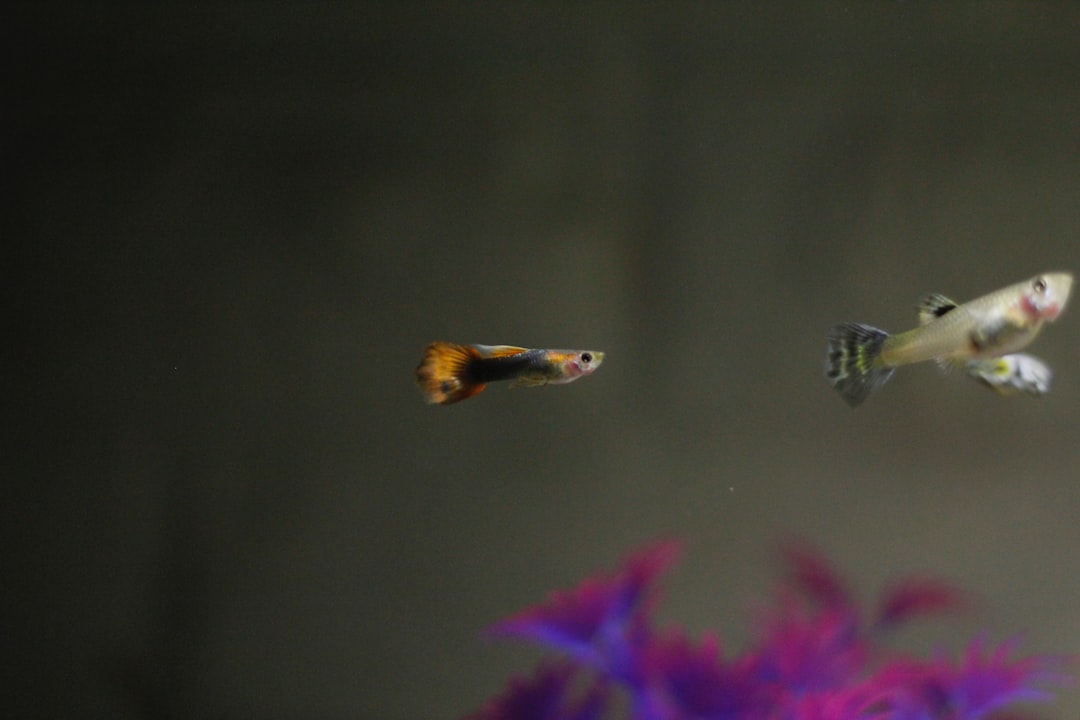
Breeding guppies is arguably the easiest introduction to fish genetics and selective reproduction. This guppy breeding beginners guide from Gensou Aquascaping Singapore — based at 5 Everton Park with over 20 years of hands-on experience — covers the full cycle from pairing to fry care, with practical tips for developing your own colour lines. Singapore’s tropical climate gives guppy breeders a natural advantage: warm, stable temperatures that accelerate growth without extra equipment.
Setting Up a Breeding Tank
A dedicated 20–30-litre tank works perfectly for a breeding trio — one male and two females. Equip it with a sponge filter (safe for fry), a gentle heater if your room dips below 24 °C, and dense Java moss or spawning mops that give newborns immediate hiding spots. Bare-bottom tanks simplify cleaning but lack the infusoria that planted setups generate naturally.
Maintain water temperature at 25–27 °C and pH around 7.0–7.5. Weekly 20 % water changes with conditioned PUB tap water keep ammonia in check. A cycled sponge filter — seeded from an established tank — provides instant biological filtration.
Selecting Breeding Stock
Quality parents produce quality offspring. Choose males with bright, even colour, straight spines, and fully spread tails. Females should be robust with a rounded abdomen and no signs of spinal curvature. Avoid pet-shop fish from mixed tanks if you want predictable colour results — their genetic background is unknown.
For specific colour lines, source from local breeders on Carousell or guppy enthusiast groups on Facebook. Expect to pay $5–$20 per breeding pair for established lines like blue Moscow, red dragon, or platinum dumbo ear. Virgin females — separated before four weeks of age — are essential for controlled breeding, since females store sperm from previous matings for up to six months.
The Breeding Cycle
Guppies are livebearers. After internal fertilisation, females carry developing embryos for 25–35 days. The gravid spot — a dark patch near the anal fin — darkens and enlarges as the due date approaches. A squared-off abdomen signals birth is imminent, usually within 24–48 hours.
Females deliver 20–60 fry per drop, depending on age and size. First-time mothers produce smaller batches. Separate the female back to the main tank immediately after delivery — she will eat her own fry if given the chance. Breeding boxes work in a pinch but stress females; a dedicated birthing tank with dense plant cover is gentler.
Fry Care: The First Four Weeks
Newborn fry are roughly 5–7 mm and can swim and feed immediately. Offer crushed high-protein flake, powdered fry food, or freshly hatched baby brine shrimp three to four times daily. Small, frequent meals fuel rapid growth. Uneaten food fouls water fast in small tanks, so remove leftovers with a pipette after each feeding.
Growth rate in Singapore’s warm water (26–28 °C) is impressive — fry reach 1.5–2 cm within three weeks. By four to six weeks, males begin showing colour and can be separated from females to prevent unplanned breeding. Early separation is the single most important step in line breeding.
Understanding Basic Guppy Genetics
Colour genes in guppies are mostly Y-linked, meaning sons inherit tail and body patterns primarily from their father. Females carry colour genes but express them subtly. This makes male selection the dominant factor in line development. Crossing a blue Moscow male with a red female typically produces muddled offspring in the first generation — patience and back-crossing over three to four generations refine the desired trait.
Inbreeding depression is a real risk after several generations. Introduce an unrelated fish of the same colour line every fourth or fifth generation to maintain vigour. Track your crosses in a simple notebook or spreadsheet — even basic records prevent costly mistakes.
Managing Fry Populations
Guppies breed relentlessly. A single female can produce a new batch every month, and fry from the first drop start breeding within three months. Without culling or rehoming, populations explode. Overcrowded tanks suffer ammonia spikes, stunted growth, and disease outbreaks.
Sell or trade surplus fish on Carousell, donate to local fish shops, or maintain a “grow-out” tank where you raise the best specimens and rehome the rest. Some breeders keep a predatory fish — like a Betta albimarginata — in the community tank to naturally control fry numbers, though this approach is not for everyone.
Common Breeding Problems
Females that appear pregnant but never deliver may be stressed by aggressive males, poor water quality, or illness. Separate them to a calm, planted tank and maintain pristine conditions. Deformed fry — bent spines, missing tails — occur more frequently in heavily inbred lines and should not be used for further breeding.
Fungal infections on newborn fry, visible as white fuzz, usually indicate poor water quality. Increase water changes to 30 % every two days and add a few drops of methylene blue as a mild antifungal. Prevention through consistent maintenance is always more effective than treatment.
Growing Your Skills
Starting with a guppy breeding project teaches genetics, water chemistry, and fish husbandry in a forgiving, low-cost format. At Gensou Aquascaping, we have watched hobbyists progress from their first accidental fry to competitive show entries — all from this humble, brilliant little fish.
Related Reading



