
Cherry Shrimp Colour Grading: From Lowest to Painted Fire Red
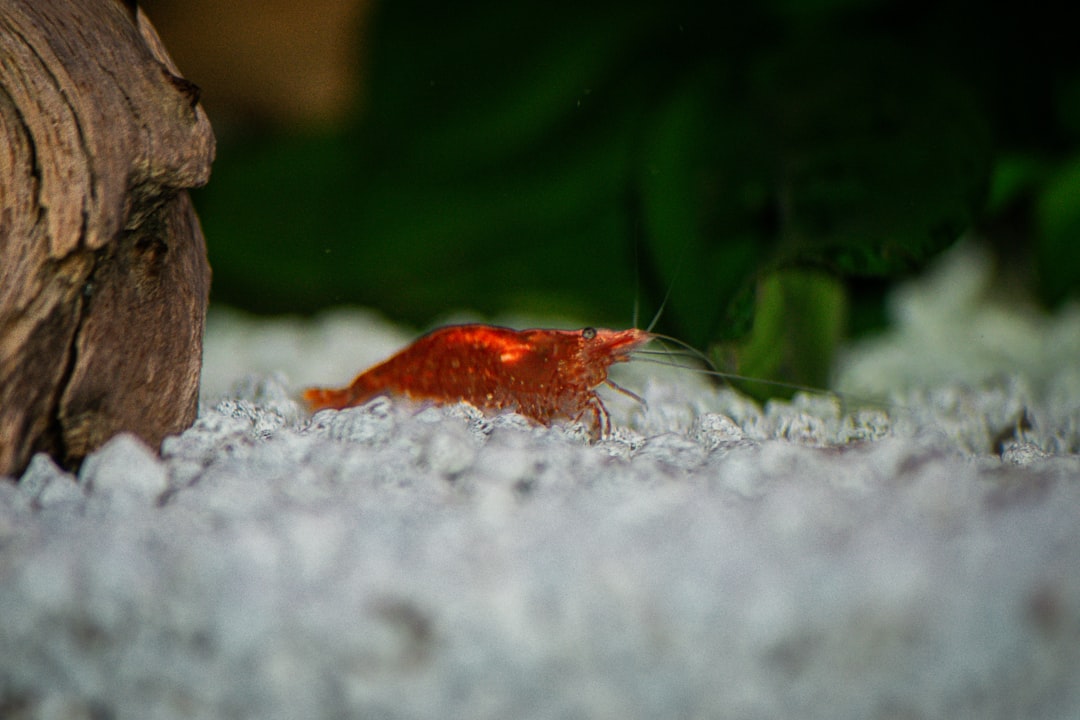
Not all cherry shrimp are created equal — a wild-type Neocaridina davidi and a painted fire red sit at opposite ends of a colour spectrum that directly affects price, visual impact, and breeding strategy. This guide to cherry shrimp colour grading fire red from Gensou Aquascaping at 5 Everton Park, Singapore, explains each grade, what drives colour intensity, and how to selectively breed toward the deepest reds. With over 20 years in the hobby, we have watched Singapore’s shrimp scene grow from niche to mainstream.
The Grading Scale Explained
Cherry shrimp grades follow an informal but widely accepted hierarchy. From lowest to highest: wild-type (translucent brown-green), cherry (light, patchy red), sakura (solid red with some translucent patches), fire red (deep, uniform red across the entire body), and painted fire red (opaque, intensely pigmented red with no translucency — even the legs are solid red). Each step up represents tighter selective breeding and, typically, a higher price tag.
Visual Differences Between Grades
Wild-type shrimp are the ancestral form — mostly clear with faint brownish markings. Cherry grade introduces red pigment but leaves the carapace partially see-through, especially on the legs and underbelly. Sakura shrimp show a more even red wash, though you can still see internal organs through the shell in strong light. Fire red closes those gaps: the body is uniformly crimson, legs included, with only the saddle (egg mass) visible on females.
Painted fire red is the pinnacle. These shrimp are so densely pigmented that even males — typically paler in all grades — display rich, opaque red. Under LED lighting, a colony of painted fire reds against dark substrate creates one of the most striking sights in a planted nano tank.
What Drives Colour Intensity
Genetics is the primary factor. Shrimp inherit chromatophore density from their parents, and consistent culling (removing low-grade individuals) over multiple generations concentrates the genes responsible for dense pigmentation. Beyond genetics, diet plays a role — foods rich in astaxanthin and spirulina enhance red colouration. Dark substrates also make shrimp display deeper colour, as they adjust their pigment cells to match their surroundings.
Stress washes out colour temporarily. Poor water quality, sudden temperature swings, and aggressive tank mates all cause cherry shrimp to pale. If your fire reds look washed out, check parameters before blaming genetics.
Selective Breeding for Higher Grades
Start with the highest grade you can afford. In Singapore, painted fire reds cost $3–$5 each, while basic cherry grade may be just $0.50–$1 per shrimp on Carousell or Shopee. A colony of ten painted fire reds in a dedicated 20-litre breeding tank is a solid foundation. Remove any offspring that show translucent patches once they reach 1 cm — these culls can go into a community tank where aesthetics matter less.
Avoid introducing lower-grade shrimp to your breeding colony, as this dilutes the colour genetics quickly. Even a single wild-type male can set your line back several generations.
Tank Setup for Colour Breeding
Use a dark substrate — black aquasoil or fine black gravel encourages shrimp to display their deepest pigment. A sponge filter provides safe, gentle filtration without trapping shrimplets. Dense moss (java moss, Taxiphyllum barbieri) and leaf litter offer grazing surfaces and hiding spots for newborns. Maintain water at 24–26 °C, pH 6.8–7.5, GH 4–8, and TDS 150–250 ppm. Singapore’s tap water TDS of around 60–80 ppm may need a mineral supplement like SaltyShrimp GH+ for optimal shell and colour development.
Feeding for Maximum Colour
A rotation of colour-enhancing foods makes a visible difference within weeks. Offer spirulina wafers, blanched spinach, crushed bee pollen, and commercial shrimp foods containing astaxanthin. Feed sparingly — a small pinch every other day for a colony of 20–30 shrimp. Overfeeding fouls water and causes planaria or hydra outbreaks, both of which threaten shrimplets.
Selling Your Graded Shrimp
Singapore’s hobbyist market for cherry shrimp colour grading fire red stock is active year-round. Photograph shrimp on a dark background with accurate white-balance lighting — buyers want to see true colour, not LED-enhanced saturation. Ship locally using insulated bags with a small piece of moss; most Carousell transactions are by MRT meetup. A well-maintained colony of painted fire reds can fund your entire shrimp hobby and then some.
Related Reading
- Amano Shrimp Breeding: Why It Is So Difficult and How to Try
- Thai Micro Crab Care Guide: Limnopilos Naiyanetri in Planted Tanks
- KH and GH Explained Simply: What They Mean for Your Aquarium
If fiery red colour grading in cherry shrimp appeals to you, the green fire tetra brings its own glowing hues to a planted tank — explore our green fire tetra care guide.



