
Malaysian Trumpet Snail Pros and Cons: Substrate Stirrer or Pest?
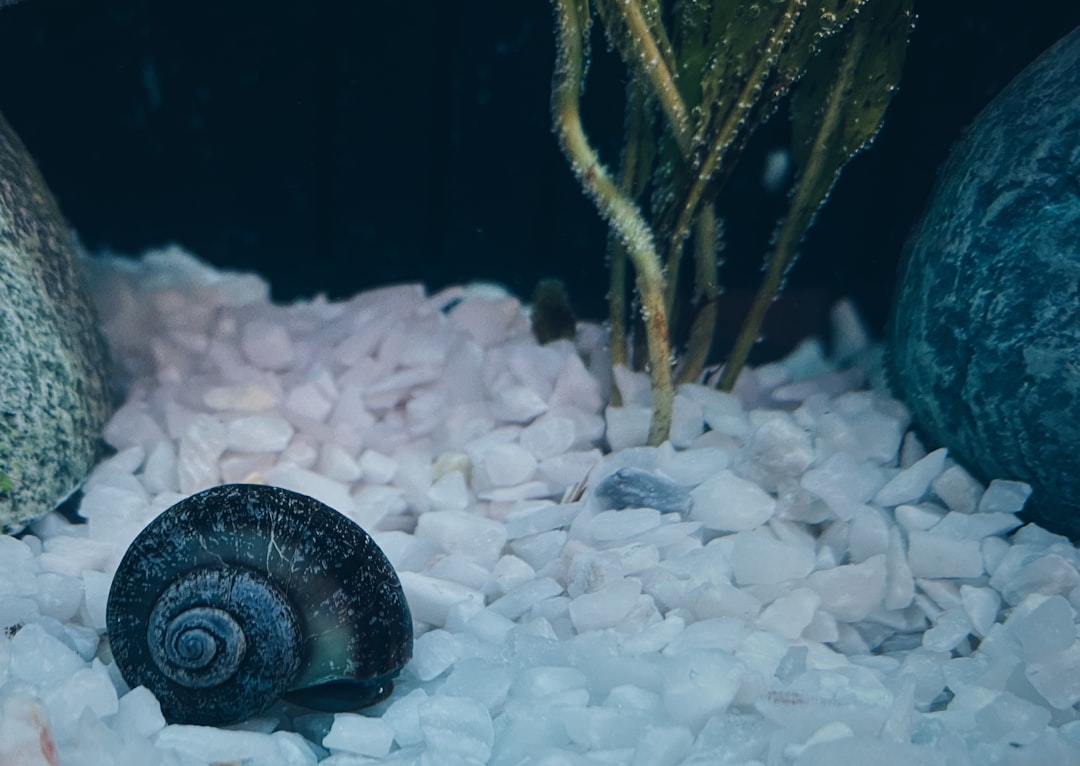
Few aquarium inhabitants spark as much debate as the Malaysian trumpet snail. Advocates praise its ability to aerate substrate and consume detritus; critics curse the day they introduced one into their tank. The reality is that malaysian trumpet snail pros cons depend almost entirely on how you manage your tank. This balanced guide from Gensou Aquascaping at 5 Everton Park, Singapore — with over 20 years of hands-on experience — helps you decide whether Melanoides tuberculata belongs in your setup.
What Malaysian Trumpet Snails Do
MTS are burrowing snails. During the day, they live beneath the substrate, tunnelling through sand and fine gravel. At night, they emerge to graze on algae, biofilm, and leftover food on the surface. This dual lifestyle makes them uniquely useful — and uniquely problematic — compared to surface-dwelling snails like ramshorns or nerites.
The Pros: Why Some Hobbyists Swear by Them
Substrate aeration is the headline benefit. In planted tanks using nutrient-rich aquasoil or sand, anaerobic pockets can develop over time, producing hydrogen sulphide — a toxic gas that smells like rotten eggs. MTS burrowing activity prevents these pockets from forming, keeping substrate healthy without manual disturbance. For aquascapers who spend months cultivating a carpeting layout, this passive maintenance is invaluable.
MTS also consume decaying plant matter and uneaten food that sinks into the substrate, reducing organic buildup. They do not eat healthy plants. And because they are livebearers — giving birth to tiny, fully formed snails — they lack the visible egg clutches that make ramshorn snails so conspicuous.
The Cons: When They Become a Problem
MTS reproduce prolifically when food is abundant. Because they hide in the substrate during daylight, a massive population can build undetected until you notice hundreds emerging at night or clustering on the glass in the evening. By then, the colony may number in the thousands in a 60-litre tank. Large populations clog filter intakes, compete with shrimp for food, and create a bioload that taxes filtration.
Removing MTS once established is far harder than removing ramshorns. Their conical shells resist crushing, they burrow away from traps, and assassin snails take months to make a meaningful impact against a large colony. Prevention — through strict feeding discipline — is infinitely easier than a cure.
Population Management
Feed your fish exactly what they consume in two minutes, twice daily. Vacuum the substrate during weekly water changes to remove organic debris that fuels snail reproduction. If numbers rise, bait traps with blanched vegetable overnight and remove the catch each morning. Assassin snails (Clea helena) work but slowly — five assassins in a 60-litre tank may take two to three months to noticeably reduce a large MTS population.
Some Singapore hobbyists use dwarf pufferfish as biological control, but Carinotetraodon travancoricus requires a dedicated tank and cannot live in most community setups. Clown loaches crack MTS shells with ease but need tanks of 200 litres or more.
Best Tank Types for MTS
Planted tanks with sand or fine gravel substrates benefit most from MTS activity. Tanks running inert substrates like pool filter sand, where anaerobic pockets form readily, gain the biggest advantage. Bare-bottom breeding tanks or shrimp tanks on aquasoil generally do not need them — aquasoil’s porous structure resists compaction, and bare bottoms have no substrate to aerate.
In Singapore’s warm climate (26–30 °C ambient), MTS metabolism and reproduction run high year-round. Factor this into your decision — temperate hobbyists deal with slower breeding cycles that make control easier.
Introducing MTS Safely
If you decide the malaysian trumpet snail pros cons balance favours introduction, start with just five to ten snails. Quarantine them for a week in a separate container to check for parasites or hitchhiking pest species. Place them on the substrate at night — they will burrow by morning. Within a month, you should see the first offspring, giving you an early gauge of how fast the population grows under your feeding regime.
Removing MTS if You Change Your Mind
Complete eradication is difficult without tearing down the tank. Persistent trapping, assassin snails, and strict food reduction bring numbers to a manageable level over two to three months. Copper-based treatments kill MTS but also kill shrimp and harm sensitive fish — not an option for most community or planted setups. Acceptance and management are often more practical than elimination. Many experienced hobbyists learn to coexist with a controlled MTS population rather than fight an unwinnable war.
Related Reading
- Ramshorn Snail Population Control: Keep Them Without the Plague
- Freshwater Clam and Mussel Care Guide: Filter Feeders in Aquariums
- Cherry Shrimp Colour Grading: From Lowest to Painted Fire Red
Just as Malaysian trumpet snails come with trade-offs to consider, so does your choice of tank dimensions, which we explore in our look at the advantages and drawbacks of tall fish tanks.



