
Ramshorn Snail Population Control: Keep Them Without the Plague
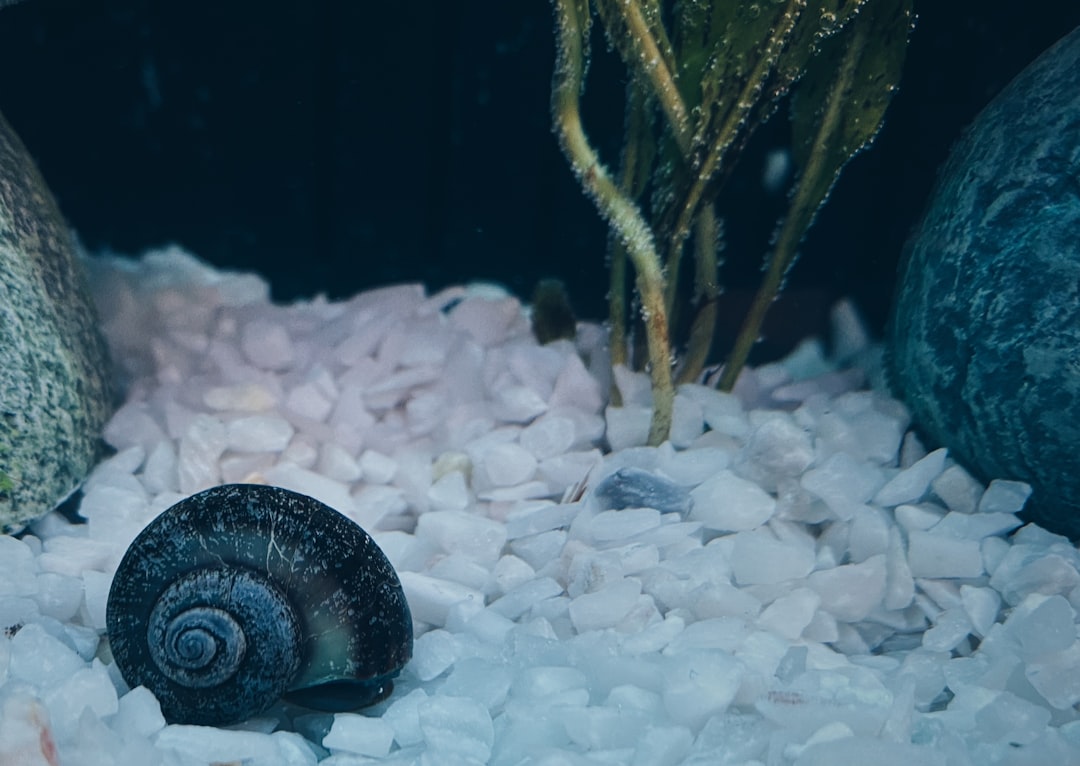
Ramshorn snails are polarising creatures in the aquarium hobby — some keepers prize their algae-grazing abilities, while others treat them as pests to be eradicated on sight. The truth sits somewhere in between. A ramshorn snail population control guide that balances their benefits against the risk of overrunning your tank is what most hobbyists actually need. Gensou Aquascaping at 5 Everton Park, Singapore, has managed planted tanks with ramshorns for over 20 years — and the secret is remarkably simple.
Why Ramshorn Snails Multiply So Fast
Ramshorns are hermaphrodites. Any two individuals can mate and produce eggs, and a single snail can even self-fertilise in isolation. Egg clutches — translucent jelly discs stuck to glass, plants, or hardscape — contain 10–40 eggs each, and a healthy adult can lay a new clutch every few days. In a tank with excess food, populations double in weeks. Singapore’s warm water temperatures of 26–30 °C accelerate their metabolism and reproduction further.
The Food Supply Connection
Overfeeding fish is the number-one driver of snail explosions. Uneaten flake, pellet crumbs, and decaying plant matter provide unlimited fuel for ramshorn reproduction. Cut feeding by 30–50 % for two weeks and you will see egg production slow dramatically. Vacuum the substrate during water changes to remove organic debris, and trim dying plant leaves before they decompose. A clean tank supports a stable snail population; a dirty tank creates a plague.
This applies even in shrimp tanks. Hobbyists who drop a large piece of blanched vegetable and leave it overnight give ramshorns exactly the surplus they need to breed unchecked.
Manual Removal Methods
The simplest control method is a baited trap. Place a piece of blanched lettuce or cucumber on a small dish at the bottom of the tank before lights-out. By morning, dozens of snails will be clustered on the bait. Remove the dish and dispose of the snails — or rehome them to hobbyists who keep pufferfish. Repeat nightly for a week to make a significant dent.
Crushing snails against the glass is another quick tactic. Fish like bristlenose plecos, loaches, and even larger tetras will eat the remains, turning a pest problem into a protein snack. Some keepers find this approach unpleasant, but it is effective and avoids chemicals entirely.
Biological Controls
Assassin snails (Clea helena) are the most popular biological control in Singapore, costing $2–$3 each at most local shops. Three to five assassins in a 60-litre tank steadily reduce ramshorn numbers over four to six weeks. They breed slowly themselves, so an assassin overpopulation is unlikely. Dwarf pufferfish (Carinotetraodon travancoricus) are even more voracious snail predators, but they nip fins and need a species-only setup — not ideal for a community tank.
Clown loaches and other large loaches demolish snail colonies but require tanks of 200 litres and above, making them impractical for nano setups where ramshorn problems are most common.
Chemical and Copper-Based Treatments
Copper-based snail removers kill ramshorns effectively but also kill shrimp and can harm sensitive fish. If your tank houses neocaridina or caridina shrimp — common in Singapore planted setups — copper is off the table. Potassium permanganate dips work for treating new plants before introduction but are too harsh for a running aquarium. In nearly all cases, feeding control plus manual removal or assassin snails is safer and more sustainable than chemical intervention.
Keeping Ramshorns Intentionally
Ramshorns eat soft algae, biofilm, and decaying matter without touching healthy plants — a genuine benefit in planted tanks. The red and blue colour morphs are attractive in their own right. If you enjoy them but want numbers under control, stick to a strict feeding regime, remove egg clutches from the glass weekly with a razor blade, and keep two or three assassin snails as a standing patrol. A managed ramshorn population adds biodiversity without becoming a nuisance.
Preventing Accidental Introduction
Most ramshorn infestations start with hitchhikers on new plants. Quarantine all new plant purchases in a separate container for a week, inspecting leaves daily for snails and egg clutches. An alum dip (one tablespoon per litre for two to three hours) kills snails and eggs without harming most plant species. This ramshorn snail population control step alone saves countless hobbyists from surprise outbreaks.
Related Reading



