
Mandarin Dragonet Care Guide: Feeding the Fussiest Reef Fish
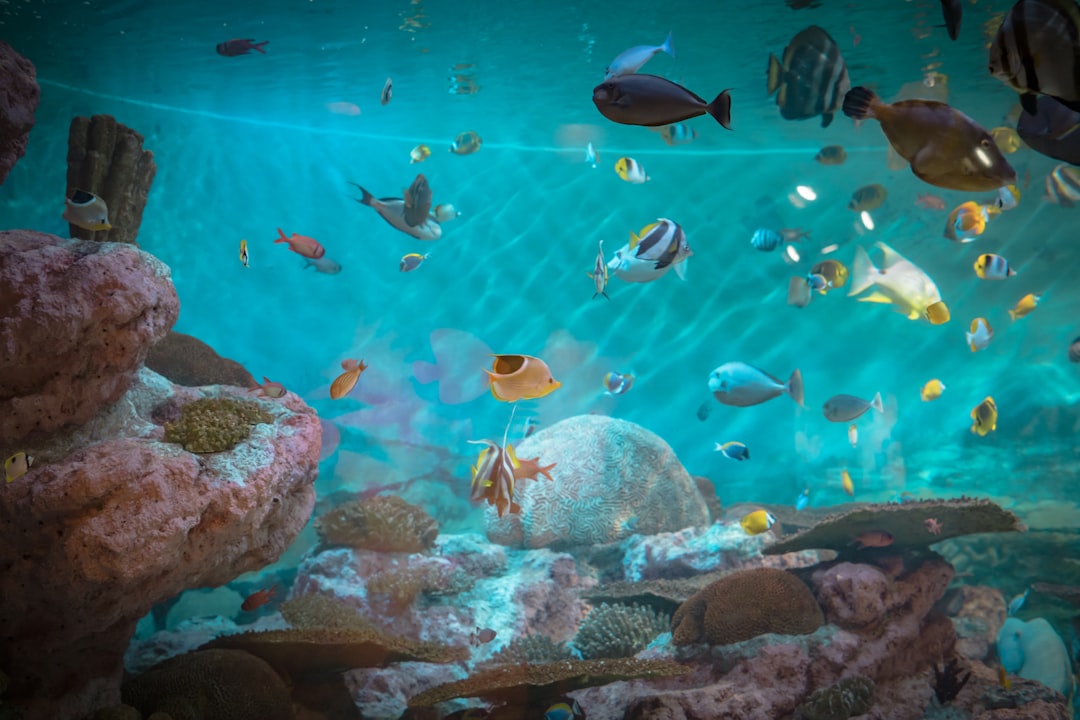
Draped in swirling blues, oranges, and greens, the mandarin dragonet is arguably the most beautiful fish in the marine hobby — and one of the hardest to feed. Any honest mandarin dragonet care guide for marine aquariums must start with this truth: mandarins starve in tanks that cannot sustain a large, self-replenishing population of copepods. At Gensou Aquascaping Singapore, we always ask hobbyists one question before they buy: is your tank mature enough? If yes, the rewards are extraordinary. This guide sits inside our broader Tropical Fish Species Master Index reference.
Species Overview
Synchiropus splendidus, the green mandarin dragonet, and Synchiropus picturatus, the spotted or psychedelic mandarin, are the two species commonly available. Both are small — adults reach 6–8 cm — and move with a distinctive hovering, darting motion as they hunt microfauna across rock surfaces. Their skin produces a bitter, toxic mucus coating that deters most predators, which also means they are rarely bothered by tank mates. Mandarins are reef-safe and will not harm corals or invertebrates.
The Copepod Challenge
Wild mandarins graze continuously on tiny crustaceans — primarily copepods and amphipods — throughout the day. In captivity, most refuse prepared foods entirely, at least initially. A tank must have a well-established live rock ecosystem, typically six months old or more, with a thriving copepod population before a mandarin is introduced. Tanks under 150 litres rarely sustain enough microfauna for even one dragonet. A refugium packed with chaetomorpha algae acts as a copepod nursery, continuously seeding the display tank. Without this, starvation is almost inevitable.
Supplementing with bottled copepods helps bridge gaps. Tisbe and Tigriopus pods are available from local sellers and online platforms like Shopee. Adding a bottle of live pods every two to four weeks supports the population, especially in smaller systems.
Training Mandarins to Accept Prepared Foods
Some captive-bred mandarins arrive already trained on frozen foods — these command a premium but are worth every dollar for hobbyists without large refugiums. If you purchase a wild-caught specimen, target feeding with live brine shrimp near the fish can sometimes bridge the transition to frozen mysis. Place a small dish of thawed mysis in the mandarin’s favourite hunting area and be patient — training can take weeks. Not all individuals convert, so having a robust pod population remains the primary safety net.
Water Parameters and Tank Setup
Maintain salinity at 1.024–1.026, temperature between 25 and 27 °C, and standard reef chemistry. Mandarins are not particularly sensitive to minor parameter fluctuations, but they are slow feeders that suffer in tanks with aggressive food competitors. Avoid housing them with wrasses, gobies, or other dragonets that compete for the same microfauna. A single mandarin per tank is safest unless you have a mated pair — two males will fight, and their copepod demand doubles.
Provide complex rockwork with plenty of crevices and overhangs. Mandarins spend their days hopping between rocks, peering into holes, and picking at surfaces. Open, minimalist aquascapes offer too little foraging territory.
Choosing a Healthy Mandarin in Singapore
Marine shops around Serangoon North and Thomson regularly stock mandarins, typically priced between $20 and $50. Captive-bred specimens from ORA or Biota may cost $60–$100 but arrive hardier and more likely to accept prepared foods. When selecting a fish, look for a rounded belly — a concave or pinched belly indicates starvation that may already be irreversible. Ask the shop to feed the fish in front of you. If it actively hunts and eats, your chances of success increase significantly.
Long-Term Success
A well-fed mandarin in a mature reef is a remarkably hardy fish that can live five years or more. They are disease-resistant thanks to their mucus coating, rarely jump, and coexist peacefully with corals and invertebrates. At Gensou Aquascaping, with over 20 years of experience building reef systems across Singapore, we consider the mandarin dragonet one of the hobby’s greatest rewards — provided you respect its dietary needs. Patience, a mature tank, and a strong copepod culture are the foundations of success.
Related Reading



