
How to Frag Soft Corals for Beginners: Propagation Made Simple
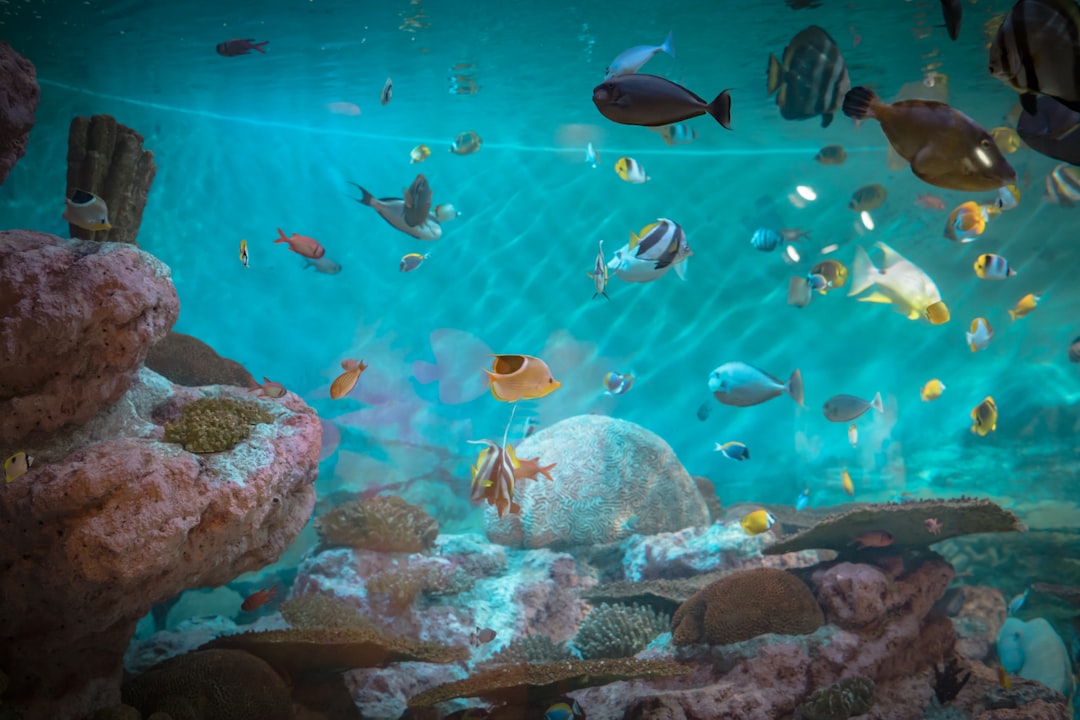
Fragging corals sounds intimidating until you actually do it — then you realise it is closer to gardening than surgery. This frag soft corals beginners guide walks you through the tools, techniques, and confidence you need to propagate your first soft coral successfully. At Gensou Aquascaping Singapore, we have been propagating corals for over 20 years, and soft corals remain the best starting point for anyone new to fragging. Their forgiving tissue and rapid healing make mistakes far less costly than with stony species.
Why Frag Soft Corals
Propagation serves multiple purposes. It lets you fill your tank with new colonies grown from existing stock, reducing the need to buy additional frags. It helps control aggressive growers like xenia, GSP, and Kenya tree that would otherwise overtake your aquascape. And it creates tradeable frags — a small economy among Singapore reefers on Carousell and at local frag swaps. Fragging also gives you insurance: if a colony suffers a disease or tank crash, a frag in a separate system preserves the genetics.
Essential Tools
You do not need expensive equipment. A sharp pair of stainless steel scissors or a new razor blade handles most soft coral cutting. Coral glue (cyanoacrylate gel) attaches frags to plugs or rubble. Frag plugs or small pieces of live rock rubble serve as the mounting surface. A small plastic container filled with tank water provides a workspace. Rubber bands or bridal veil netting are useful for securing frags that cannot be glued immediately. All of these items are available cheaply at marine shops around Serangoon North or online via Shopee.
Fragging Leather Corals
Toadstool leathers (Sarcophyton) are among the easiest corals to frag. Using a sharp razor blade, slice a wedge from the cap — think of cutting a slice of pie. The cutting should be at least 2 cm across to ensure it has enough tissue to survive. Attach the frag to a plug with coral glue or simply rubber-band it to a piece of rubble. The mother colony will heal within a week or two, often producing a new growth ring around the wound. The frag may remain closed for several days before expanding — this is normal recovery behaviour.
Fragging Mushroom Corals
Mushrooms propagate naturally through pedal laceration, but you can speed the process with intentional cutting. Detach a mushroom from its rock using a razor blade, then slice it into two or four pieces, ensuring each piece retains a portion of the mouth. Place the pieces on rubble in a shallow container with low flow — a breeder box or a small tub with mesh over the top works well. Within three to four weeks, each piece regenerates into a complete mushroom disc. This technique is particularly rewarding with high-value morphs like bounce mushrooms.
Fragging Xenia, GSP, and Kenya Tree
Pulsing xenia frags easily — snip a stalk near the base and rubber-band it to a plug. It attaches within days. Green star polyps can be fragged by cutting a section of the purple encrusting mat with a razor and gluing it to a new surface. Kenya tree practically frags itself — collect dropped branches and secure them to plugs. For all three species, the challenge is not getting them to survive but preventing them from spreading beyond your intended placement.
Post-Fragging Care
Place new frags in a lower-flow, lower-light area of your tank for the first week. This reduces stress while the cut tissue heals. Avoid target feeding freshly fragged corals — food particles settling on open wounds can invite bacterial infection. Run activated carbon for a few days after a fragging session to absorb any allelopathic compounds released by stressed corals. Monitor frags daily for the first week; if you see tissue recession or unusual discolouration, move the frag to a different spot with gentler conditions.
Hygiene and Safety
Always wear gloves when handling corals, especially palythoa and zoanthids, which contain palytoxin — a potent irritant that can cause serious symptoms if it contacts eyes or open wounds. Clean your cutting tools with freshwater between different coral species to prevent cross-contamination. Work in a well-ventilated area and keep a bowl of freshwater nearby for hand rinsing. These precautions are simple but important, particularly in Singapore’s warm environment where bacteria multiply quickly.
Building Your Frag Collection
Starting with two or three soft coral species gives you a manageable learning curve. Frag one colony, observe the results, and refine your technique before moving on to LPS or SPS. At Gensou Aquascaping, we encourage hobbyists to trade frags with the local community — it builds connections, diversifies your collection, and reduces the environmental impact of wild coral harvesting. A single toadstool leather can produce a dozen frags over a year, each one a potential gift, trade, or new centrepiece for a friend’s tank.
Related Reading



