
Pulsing Xenia Care Guide: Hypnotic Movement and Growth Control
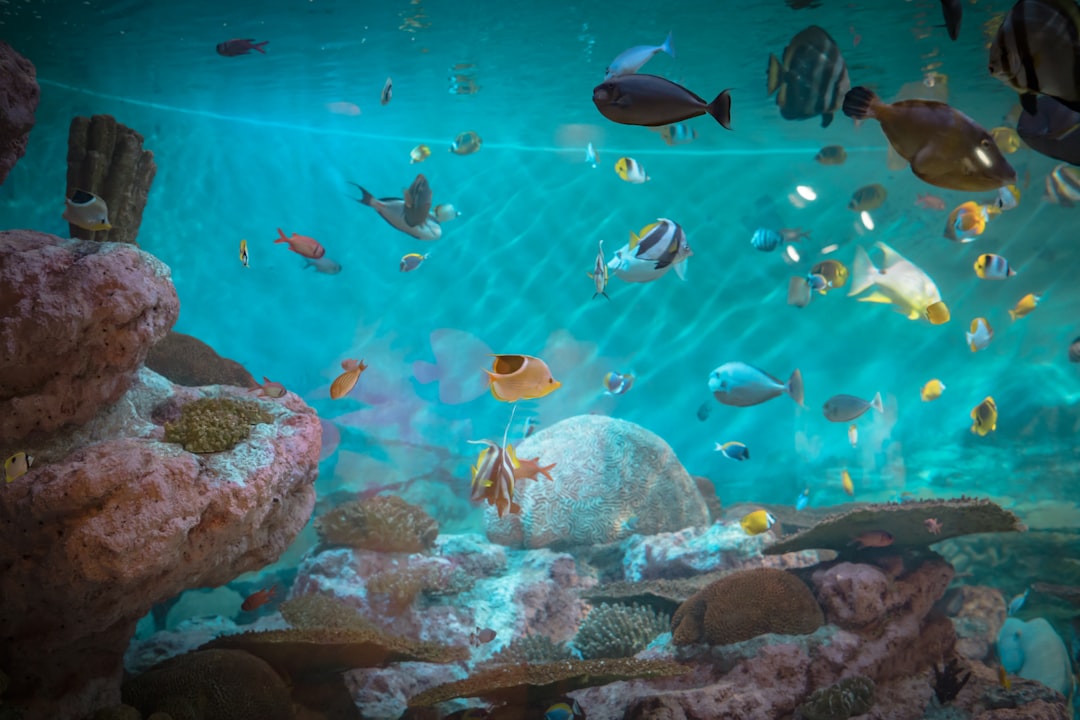
Watching pulsing xenia rhythmically open and close its polyps is one of the most mesmerising sights in reef keeping — and one of the most divisive. This pulsing xenia care guide from Gensou Aquascaping at 5 Everton Park, Singapore addresses both the appeal and the challenge of keeping Xenia elongata in a mixed reef. Like green star polyps, xenia grows aggressively and spreads rapidly, but unlike GSP, its hypnotic pulsing motion makes it genuinely difficult to remove once you have grown attached to watching it. This guide sits inside our broader Saltwater Reef Tank Master Guide reference.
Species Background
Xenia elongata and the closely related Xenia umbellata are colonial soft corals from the Indo-Pacific. Each colony consists of a fleshy stalk topped by a cluster of polyps, each bearing eight pinnate tentacles that pulse — rhythmically opening and closing in a grasping motion. The biological purpose of pulsing remains debated among marine biologists; theories include enhanced gas exchange and waste removal from the colony surface. Whatever the reason, the effect captivates every viewer.
Why Xenia Pulses (and Why It Sometimes Stops)
Not every xenia colony pulses consistently. Pulsing frequency depends on water flow, alkalinity and dissolved oxygen levels. Colonies in moderate, indirect flow tend to pulse more vigorously than those in stagnant or excessively turbulent zones. Alkalinity above 8 dKH seems to encourage pulsing, while levels below 7 dKH often correlate with reduced or absent pulsing. High dissolved oxygen from a well-tuned protein skimmer also appears to promote the behaviour. If your xenia has stopped pulsing, check alkalinity and flow before assuming a problem.
Placement and Lighting
Xenia performs well under moderate light — PAR 100-200 covers most situations. Place colonies on mid-level rockwork where they receive indirect flow from nearby powerheads. Direct blast from a wavemaker causes the stalks to lean permanently and may inhibit pulsing. As with GSP, mounting xenia on an isolated rock surrounded by a sand moat is the most reliable containment strategy. Avoid placing it on your main aquascape structure unless you accept that it will colonise the entire rock formation within months.
Water Parameters
Xenia thrives in standard reef conditions: SG 1.024-1.026, temperature 25-27°C, alkalinity 8-11 dKH, calcium 400-450 ppm. It tolerates moderate nutrient levels and may actually decline in ultra-low-nutrient systems — several experienced reefers report xenia melting in tanks with undetectable nitrates and phosphates. A modest nutrient level of 5-10 ppm nitrate and 0.03-0.05 ppm phosphate supports healthy growth. Iodine supplementation at standard reef doses appears to benefit xenia, though scientific evidence is limited.
Growth and Spread
Xenia reproduces both by budding new stalks from its base and by dropping fragments that reattach to nearby surfaces. This dual reproduction strategy makes it one of the fastest-spreading corals in captivity. A single stalk can produce a colony of 20-30 stalks within two to three months under favourable conditions. Stalks periodically detach, drift across the tank and establish new colonies wherever they settle — including on powerhead cables, overflow teeth and the undersides of other corals. Hobbyists who underestimate this spread often find themselves managing a xenia infestation rather than a collection.
Control Methods
Regular pruning is the most practical approach. Remove individual stalks by grasping the base firmly and twisting — a clean break is more effective than cutting, which leaves tissue behind that regrows. Prune weekly to maintain a manageable colony size. For more aggressive control, some reefers introduce peppermint shrimp (Lysmata wurdemanni), which occasionally graze on xenia tissue, though results are inconsistent. Chemical approaches — dosing elevated magnesium or reducing alkalinity — carry risks to other coral inhabitants and are best avoided in mixed reefs.
The Xenia Crash
Despite its aggressive growth, xenia is paradoxically fragile. Entire colonies sometimes melt away overnight in what hobbyists call a “xenia crash.” The exact trigger is often unclear, but suspects include sudden alkalinity drops, medication exposure (particularly copper-based treatments), and bacterial infections following physical damage. Crashed xenia releases significant organic matter into the water, potentially spiking ammonia in smaller tanks. If a crash occurs, remove dissolving tissue immediately and perform a large water change.
Compatibility
Xenia does not possess potent stinging cells but overwhelms neighbours through sheer growth speed and physical smothering. Space colonies at least 15 cm from other corals. Some angelfish and tangs occasionally nip at xenia stalks, providing incidental population control. Foxface rabbitfish (Siganus vulpinus) are among the most reliable xenia grazers but may also sample other soft corals. This pulsing xenia care guide should help you enjoy the hypnotic beauty of Xenia elongata while keeping its enthusiasm in check — a balance that defines the art of mixed reef keeping.
Related Reading



