How to Tell If Your Coral Is Healthy or Dying: Visual Clues
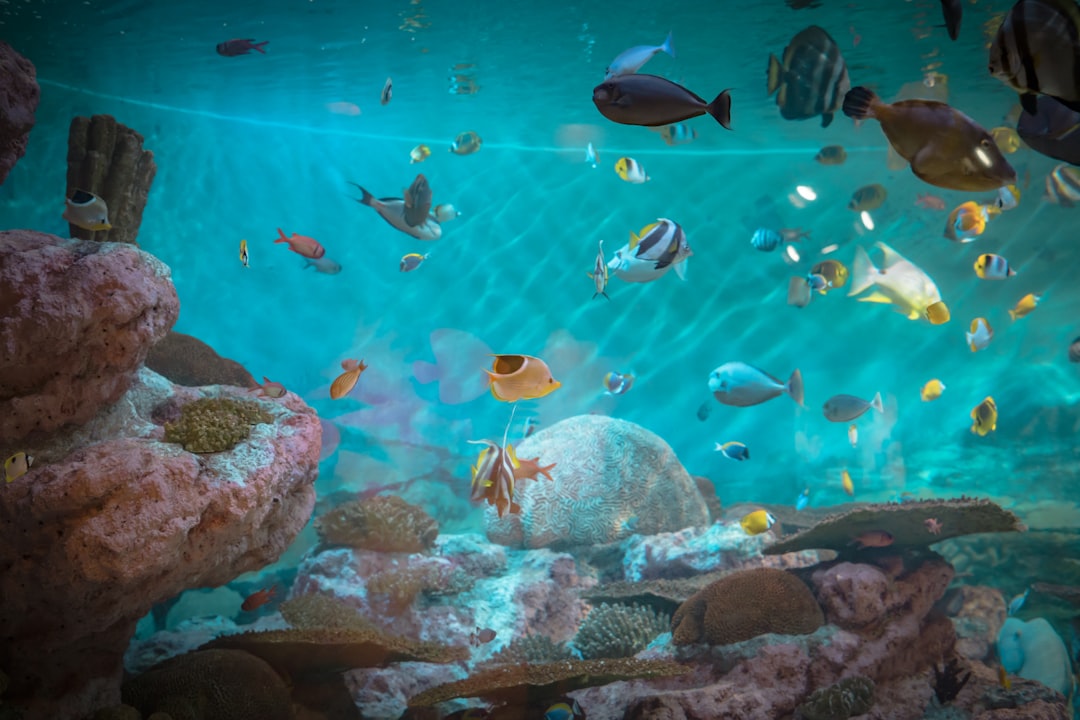
Corals communicate their condition through appearance, but reading those signals takes practice. This tell if coral healthy or dying guide gives you a clear framework for assessing any specimen in your reef, from soft corals to SPS. At Gensou Aquascaping Singapore, with over 20 years of reef-keeping behind us, we have learned that catching a problem within the first 48 hours often means the difference between recovery and total loss.
Signs of a Healthy Coral
A thriving coral displays full polyp extension during appropriate hours — most soft corals and LPS extend during the day, while some species feed primarily at night. Tissue should appear plump, colourful, and firmly attached to the skeleton. Healthy corals exhibit consistent colouration without pale patches or dark necrotic spots. Growth is another indicator: new polyp buds on zoanthids, fresh branch tips on SPS, and expanding base plates on mushrooms all confirm the coral is receiving what it needs.
Mucus production in moderation is normal — toadstool leathers regularly shed a waxy coat, and Euphyllia species produce a light mucus film. This becomes concerning only when excessive or accompanied by tissue recession.
Polyp Retraction: When to Worry
Temporary polyp retraction is common and not always alarming. Corals retract during feeding by neighbouring fish, after being bumped during maintenance, or when adjusting to new lighting. If a coral stays retracted for more than 48 hours with no obvious physical disturbance, investigate water parameters immediately. Test alkalinity, nitrate, phosphate, and salinity. In Singapore, where evaporation from ambient heat of 28 to 32°C can shift salinity quickly, a failed auto top-off is one of the most frequent culprits behind unexplained retraction.
Tissue Recession and Bleaching
Tissue recession — the slow peeling away of living tissue from the skeleton — is a serious warning sign in LPS and SPS corals. It often starts at the base and works upward, exposing white skeleton. Causes include alkalinity instability, bacterial infection, aggressive neighbours stinging the coral, or excessive lighting. Bleaching presents as a dramatic loss of colour, turning tissue pale or transparent as the coral expels its zooxanthellae. Mild bleaching from a temporary stress event can be reversed if conditions improve quickly, but sustained bleaching lasting more than two weeks is usually fatal.
Brown Jelly Disease and Rapid Tissue Necrosis
Brown jelly disease appears as a gelatinous brown film spreading across coral tissue, most commonly affecting Euphyllia species. It can consume an entire colony overnight if untreated. Immediate action — removing the coral, cutting away affected tissue with clean shears, and dipping in an iodine solution — offers the best chance of saving the remaining colony. Rapid tissue necrosis (RTN) in SPS corals is equally devastating, stripping tissue from skeleton within hours. Fragging ahead of the necrosis line and dipping the salvaged piece is sometimes the only option.
Colour Changes and What They Mean
A coral darkening or browning usually indicates excess zooxanthellae production, often caused by too much nutrient (nitrate above 20 ppm) or insufficient light. Raising the light intensity gradually over two weeks typically restores vibrant colour. A coral paling or turning fluorescent without white skeleton exposure suggests moderate light stress — move it lower in the tank or reduce photoperiod by one hour. Complete whitening with visible skeleton is advanced bleaching requiring urgent parameter correction.
Pest Damage vs Environmental Stress
Not all tissue loss is parameter-related. Zoanthid-eating nudibranchs leave characteristic round bite marks and stripped polyps. Acropora-eating flatworms cause localised tissue loss on branch tips. Montipora-eating nudibranchs leave spiral egg trails visible under blue light. Before assuming water quality is the problem, inspect the affected coral closely with a flashlight after lights out. Many reef pests are nocturnal and invisible during the day. Regular coral dipping when adding new specimens prevents most pest introductions.
Daily Observation Habits
Spend two to three minutes each morning checking your corals before the main lights ramp up. Note which corals are extending on schedule and which are not. Take photos weekly from the same angle — subtle colour shifts are easier to detect in side-by-side comparisons than from memory. Many Singapore reefers use their phone camera under consistent lighting to build a visual log. This simple habit catches slow-developing issues weeks before they become emergencies.
Related Reading
How to Prevent Coral Bleaching in Your Aquarium
How to Recover a Crashed Reef Tank
How to Dip Corals Before Adding to Your Reef