Marine Fish and Inverts That Clean Your Tank: The Full Crew
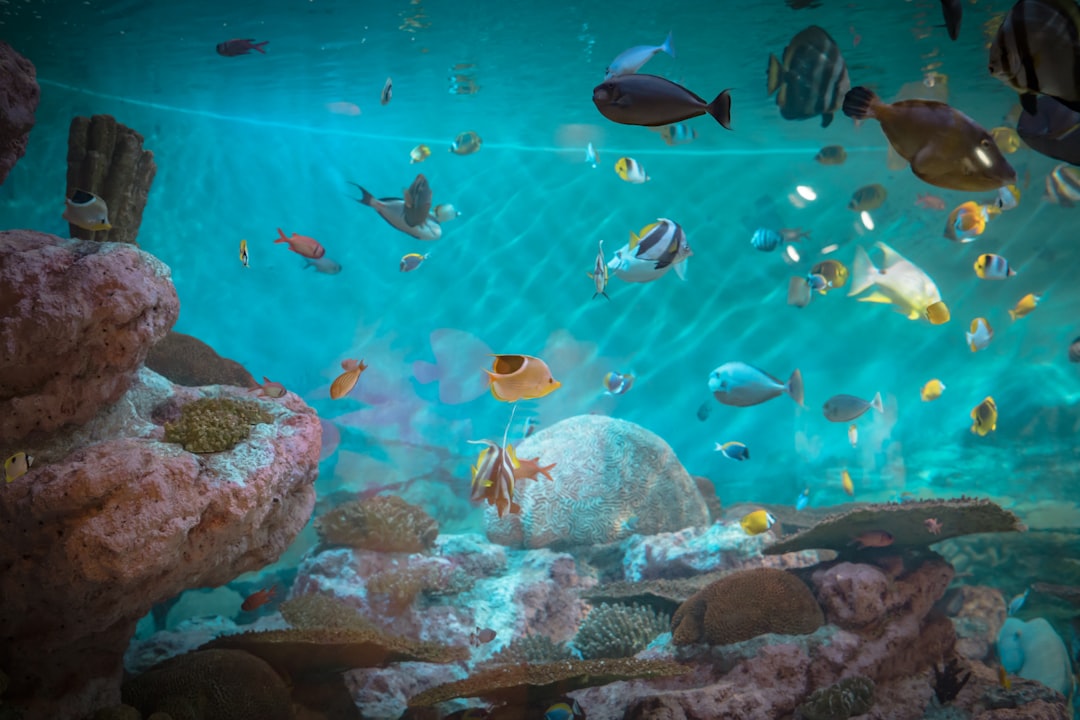
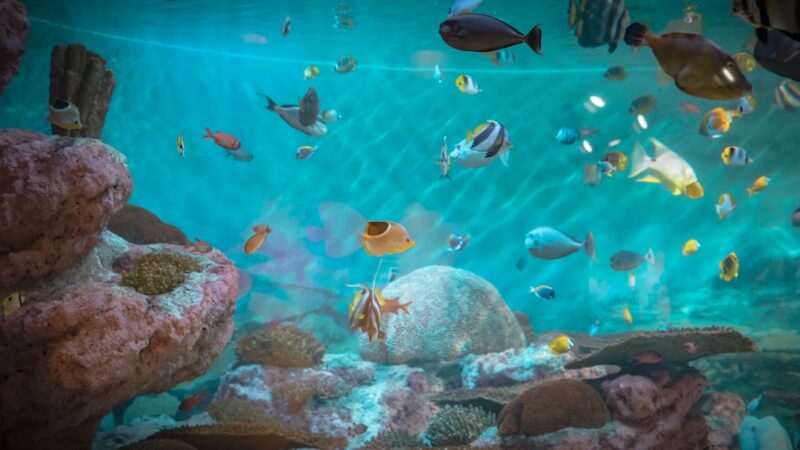
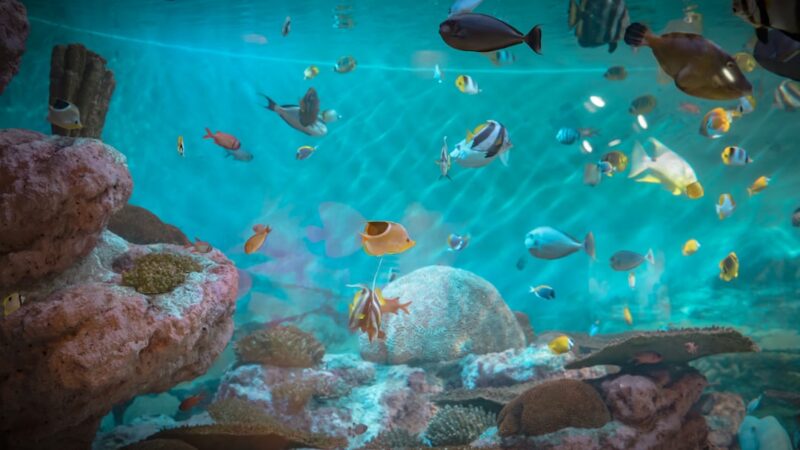
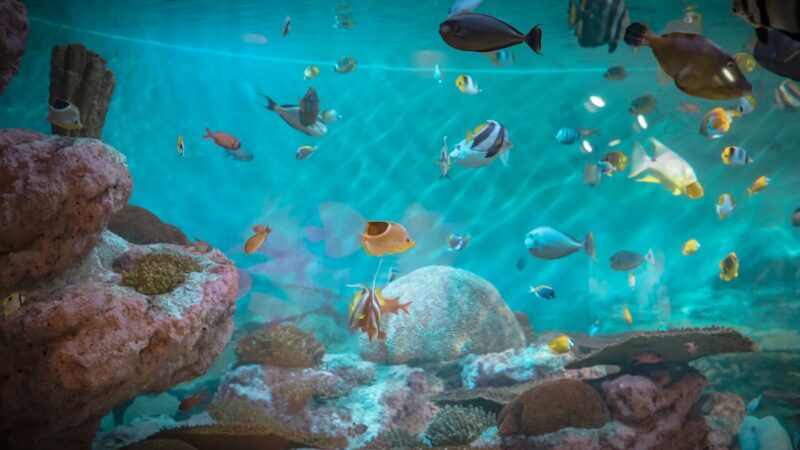
Every reef tank accumulates algae, detritus, and uneaten food that your filtration alone cannot handle. Stocking the right marine fish that clean your tank turns maintenance from a chore into a shared effort between you and your livestock. Gensou Aquascaping Singapore builds cleanup crews into every tank we design, and the difference between a well-crewed and under-crewed reef is visible within weeks.
Algae-Eating Fish
Several marine fish species graze algae effectively without disturbing corals. The yellow tang (Zebrasoma flavescens) is a classic choice for tanks above 300 litres, constantly picking at hair algae and film algae throughout the day. For smaller setups common in Singapore HDB flats, the tailspot blenny (Ecsenius stigmatura) and bicolour blenny (Ecsenius bicolor) are excellent grazers that stay under 8 cm. Lawnmower blennies (Salarias fasciatus) are voracious film algae eaters but may struggle to find enough food in ultra-clean tanks and sometimes nip at coral tissue once natural algae runs out.
Sand-Sifting Fish
Diamond watchman gobies (Valenciennea puellaris) constantly scoop mouthfuls of sand, filtering out detritus and preventing dead spots. They keep the top layer of your sand bed aerated and clean. However, they are prolific sand movers and will dump sand onto low-placed corals, so plan your aquascape accordingly. One goby is sufficient for most tanks up to 400 litres. Tiger watchman gobies and orange-spotted gobies serve a similar role at a slightly smaller scale.
Snail Crew: The Backbone of Any Cleanup
Turbo snails (Turbo fluctuosa) are the heavy lifters for green algae on rock and glass. Stock one per 20 to 30 litres of tank volume. Trochus snails are a better long-term choice — they right themselves when knocked over, unlike turbos, and reproduce in reef tanks. Astrea snails handle diatom films effectively. For the sand bed, nassarius snails burrow and emerge to consume uneaten food and detritus, keeping the substrate fresh. A mixed snail crew of five to ten per 100 litres covers most cleaning needs.
Hermit Crabs
Scarlet reef hermits and blue-leg hermits are small, active scavengers that pick through rockwork crevices where snails cannot reach. They consume leftover food, film algae, and even small amounts of cyanobacteria. Stock conservatively — hermit crabs will fight each other and kill snails for their shells if overcrowded. Providing a few extra empty shells reduces this aggression. Dwarf hermits are priced around $2 to $4 SGD each at most Singapore marine shops.
Cleaner Shrimp
Skunk cleaner shrimp (Lysmata amboinensis) set up cleaning stations where fish queue to have parasites and dead skin removed. They also scavenge leftover food aggressively. Peppermint shrimp (Lysmata wurdemanni) are specifically useful for controlling aiptasia anemones — a common pest in Singapore reef tanks. Both species are reef-safe and can coexist with most fish. Cleaner shrimp typically cost $12 to $20 SGD each.
Specialised Inverts
Sea cucumbers such as the tiger tail cucumber process sand bed detritus, expelling clean sand as they move. They are effective but can release toxins if stressed or killed, potentially crashing an entire tank. Only add them to established systems with stable parameters. Emerald crabs (Mithraculus sculptus) target bubble algae that other cleaners ignore — a useful specialist for tanks dealing with Valonia outbreaks. Tuxedo urchins graze coralline and film algae from rock surfaces with impressive efficiency but will bulldoze unsecured frags.
Building a Balanced Crew
For a 200-litre reef tank, a solid starting cleanup crew might include eight trochus snails, five nassarius snails, four hermit crabs, one cleaner shrimp, and a tailspot blenny. This combination covers glass, rock, sand, and crevice cleaning without overstocking any single niche. Add specialists like peppermint shrimp or emerald crabs only when you have a specific pest problem. In Singapore, complete cleanup crew packages are available from several online sellers for $50 to $80 SGD, which is often cheaper than buying individually.
Related Reading
Marine Cleanup Crew Stocking Guide