
Advanced Shrimp Selective Breeding: Line Breeding, Culling and Colour Fixing
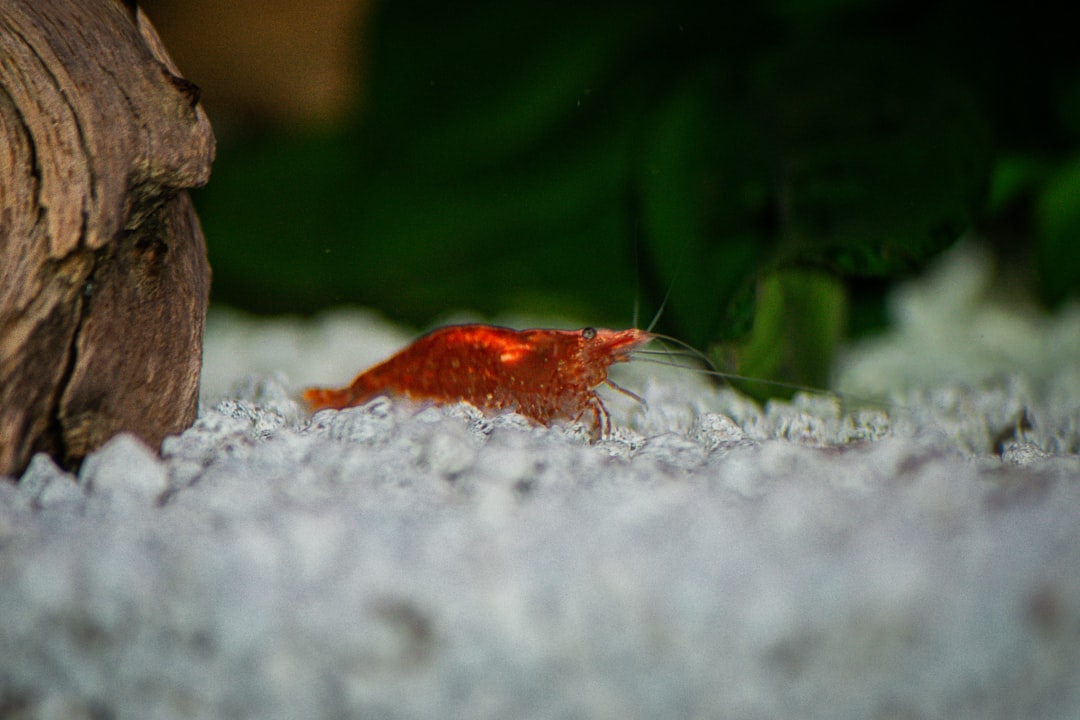
Taking your shrimp colony beyond random reproduction into deliberate genetic improvement is where the hobby becomes genuinely absorbing. Advanced shrimp selective breeding involves purposeful pairing, rigorous culling, and patient line development to produce animals with consistent colour, pattern, and density. At Gensou Aquascaping, 5 Everton Park, Singapore, we have spent years refining shrimp lines and share the principles that deliver real results.
Understanding Shrimp Genetics Basics
Colour in Neocaridina davidi and Caridina species is determined by multiple genes controlling pigment cell types: chromatophores for red, yellow, blue, and black, plus iridophores for white. Selective breeding works by concentrating desirable alleles and eliminating undesirable ones over successive generations. Unlike Mendelian single-gene traits, shrimp colour expression is polygenic, meaning progress is gradual rather than immediate. Expect to invest six to twelve months of consistent selection before seeing measurable improvement in a line.
Setting Up a Selective Breeding Programme
Dedicate separate tanks for each colour line you wish to develop. A 30-litre tank per line is sufficient, as shrimp have a low bioload relative to their numbers. Maintain identical water parameters across all tanks to eliminate environmental variables: pH 6.2-6.8 and GH 4-6 for Caridina, or pH 7.0-7.5 and GH 6-8 for Neocaridina. Singapore’s soft PUB tap water suits Caridina species well after remineralisation with a GH-boosting product. Use sponge filters, minimal decoration, and no tankmates to maintain full control over breeding outcomes.
Culling Strategies
Culling is the foundation of selective breeding and the step most hobbyists resist. It does not mean killing; culling simply means removing individuals that do not meet your selection criteria from the breeding population. Move culled shrimp to a separate community tank, sell them, or trade them. For colour intensity projects, cull any juveniles showing translucent patches, uneven colour distribution, or off-shade tones as soon as they reach 1.5-2 cm. Be strict. Keeping even a few substandard breeders in your line tank dilutes progress rapidly.
Line Breeding vs Outcrossing
Line breeding means mating related individuals who share desired traits to fix those traits genetically. This concentrates desirable genes but also concentrates any hidden deleterious recessive alleles, leading to reduced fertility, smaller clutch sizes, or weaker offspring after many generations. Monitor your line for signs of inbreeding depression: shrinking brood sizes, slow growth, or increased mortality. When these appear, introduce one or two high-quality unrelated individuals of the same variety to refresh the gene pool. Source outcross stock from different breeders or import lines to maximise genetic diversity.
Colour Fixing and Grading
A colour is considered fixed when over 90 percent of offspring consistently display the target phenotype without culling. Reaching this threshold typically takes eight to fifteen generations. Grade your shrimp regularly using a white observation dish under consistent lighting. Photograph individuals for comparison over time. For popular grades like SSS Crystal Red Shrimp, look for opaque white bands with dense, even red panels and no bleed between colours. Pricing in Singapore reflects grade quality, with SSS-grade Caridina fetching $15-30 SGD each compared to $2-5 SGD for lower grades.
Optimising Breeding Conditions
Healthy, well-fed shrimp breed more prolifically and produce higher-quality offspring. Feed a varied diet of commercial shrimp pellets, blanched spinach, mulberry leaves, and biofilm-promoting foods like bacter balls. Maintain stable temperatures at 24-25 degrees Celsius for Caridina, using a fan or chiller if needed in Singapore’s warm climate. Perform 10 percent weekly water changes with remineralised RODI water to keep parameters rock steady. Berried females should not be disturbed; stress during egg incubation leads to dropped clutches and wasted breeding cycles.
Record Keeping and Documentation
Serious breeders maintain logs for each line tank, recording spawning dates, clutch sizes, cull rates, and phenotype observations per generation. A simple spreadsheet works, noting the date berried females are spotted, approximate shrimplet counts at two weeks, and the percentage culled at grading. Over time, this data reveals whether your selection pressure is actually shifting the population toward your target. Without records, breeding becomes guesswork. Many successful breeders in Singapore also photograph standout individuals to track improvements across generations.
Selling and Trading Selectively Bred Shrimp
Once your lines produce consistent, high-grade offspring, the Singapore market is receptive. Carousell and local aquarium Facebook groups are the primary sales channels. Price your shrimp according to grade, not just species. Provide clear, well-lit photographs and be transparent about lineage and generation count. Buyers appreciate knowing the breeding history behind their purchase. Established breeders in Singapore can generate a meaningful side income from selectively bred shrimp, with some lines yielding $200-500 SGD per month from a modest multi-tank setup in an HDB flat.
Related Reading



