
Longspine Cardinalfish Care Guide: Zoramia leptacantha Reef Schooler
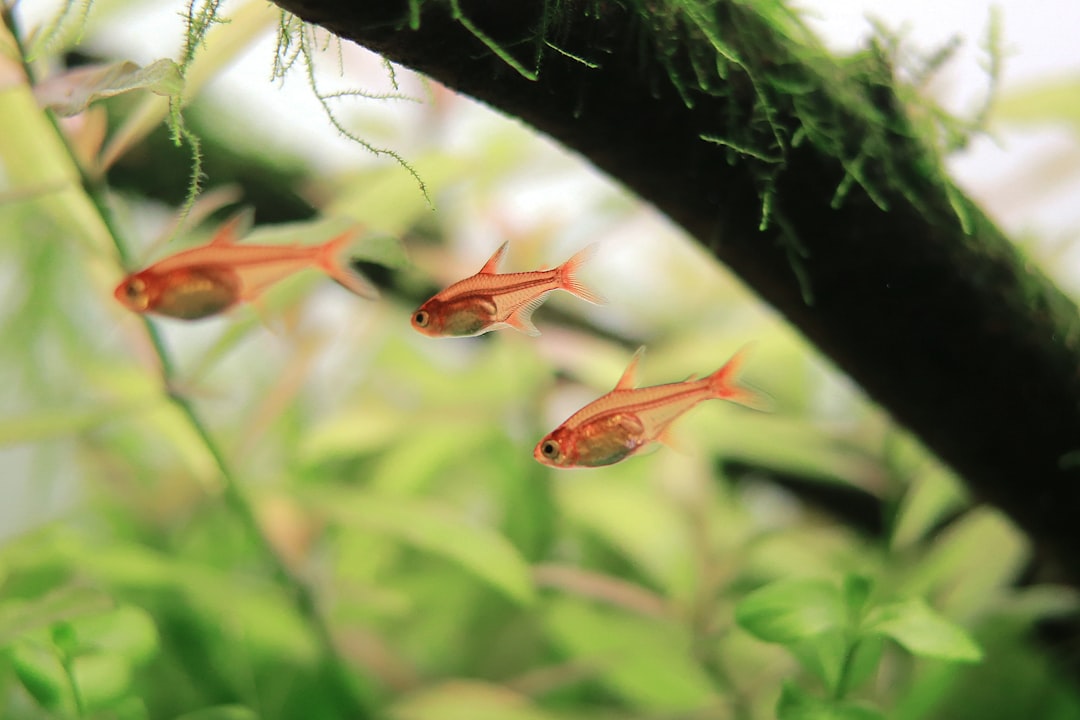
Longspine cardinalfish hover in silvery, translucent shoals above branching coral during the day and emerge as twilight hunters when the blues come on. This longspine cardinalfish care guide from Gensou Aquascaping at 5 Everton Park covers what Zoramia leptacantha actually needs to stay in a tight school, feed well, and show the faint electric-blue iridescence that marks healthy specimens. They are a specialist reef schooler, not a community damselfish substitute, and the care details matter.
Species Overview
Zoramia leptacantha grows to about 6cm, originates from the Indo-West Pacific reaching Fiji and the Solomon Islands, and is distinguished from other small cardinals by its almost glass-clear body with a pale gold stripe and two tall first dorsal rays. The species is crepuscular-nocturnal, feeding on zooplankton at dawn and dusk in the wild.
Expect a lifespan of 4-6 years in captivity when fed well, slightly less than many larger cardinals but respectable for a fish of this size.
Group Size and Tank Requirements
Like chromis, longspine cardinals are a true schooling species and fall apart in small groups. Buy seven at minimum, and nine to twelve if your budget allows. Anything smaller drops to paired skirmishing within weeks.
A 250L reef suits a group of seven, and 400L is comfortable for twelve. The scape should include a branching Acropora or equivalent rock structure in the upper-mid zone; the group hovers beneath it during daylight. Without a vertical anchor structure they cruise nervously mid-water and never settle.
Water Conditions
Temperature 24-27°C, salinity 1.024-1.026, pH 8.1-8.4, alkalinity 8-9 dKH, nitrate under 15 ppm. These are normal reef parameters, and longspines do not need anything unusual. A chiller is mandatory in Singapore ambient conditions; an unchilled tank drifting to 30°C kills them within days.
Flow should be gentle across the scape area they occupy. Strong blast zones push them into corners and the school breaks up.
Feeding the School
Three small feeds a day, not one big one. These are zooplankton grazers adapted to constant small intake. Mysis, calanus, copepods, and finely shaved krill form the backbone. Most accept pellet after two weeks; TDO Chroma A and Reef Nutrition Ova work well in soaked portions.
A refugium seeded with Tigriopus copepods feeding the display through a bulkhead keeps natural prey available overnight, which is when these fish feed most actively. It is not essential but noticeably improves condition and colour.
Behaviour at Dawn and Dusk
Watch the tank fifteen minutes before lights-on and twenty minutes after lights-off. This is when longspine cardinals are most active, spreading out from their branching coral shelter to hunt zooplankton. A properly set up ramp lighting schedule (30 minutes of dawn/dusk blue-only) gives them the feeding window their biology expects.
During full daylight they pack tight and hover. New keepers sometimes worry the school is “inactive”; this is normal diurnal behaviour for the species, not stress.
Reef and Tankmate Compatibility
Fully reef safe and peaceful. They ignore all corals and inverts. Excellent companions include chromis, firefish, flasher wrasses, smaller clownfish, and royal grammas. Avoid predators with mouths over 4cm wide; hawkfish, dottybacks, and juvenile triggers will pick them off overnight.
Do not mix with Banggai cardinals in small tanks. Banggais dominate feeding stations and stress longspines into hiding, which reduces food intake.
Singapore Availability
Iwarna and Eastern Marine carry longspines intermittently, usually $18-30 SGD per fish. They typically arrive as mixed-size groups from the Philippines or Indonesia. Picking seven similar-sized fish from the shop tank reduces pecking order friction once introduced.
Ask to see the shop feed the group. A longspine shoal that retreats when a feeding stick approaches is stressed and will take longer to settle at home.
Quarantine Considerations
A 14-day observation quarantine with no copper is usually enough. These fish are sensitive to copper at full therapeutic dose; if treatment is essential, use copper at the lower 1.5 ppm bracket or use a praziquantel-and-tank-transfer approach instead. Watch for uronema, which presents as ulcerated lesions and progresses quickly.
Feeding intensity is the best health indicator. A longspine eating greedily three times a day is unlikely to crash; one that lags behind the group is the one to isolate.
Related Reading
- Banggai Cardinalfish Care Guide
- Reef Tank Copepod Culture Guide
- Marine Fish Quarantine Guide
- Reef Tank Dawn Dusk Lighting
- First Reef Tank Mistakes to Avoid
Conclusion
Longspine cardinalfish are one of the most elegant schooling fish available for home reefs, but they demand group size, a proper scape anchor, and a feeding schedule that respects their crepuscular nature. Buy seven or more, keep the tank at 24-26°C with a chiller, feed small portions three times a day, and you will see an electric-blue hover school that outclasses any single showy centrepiece fish. Skip the details and they slowly fade; respect them and they are a five-year reef fixture.



