
Blue Green Chromis Schooling Guide: Group Size and Reef Compatibility
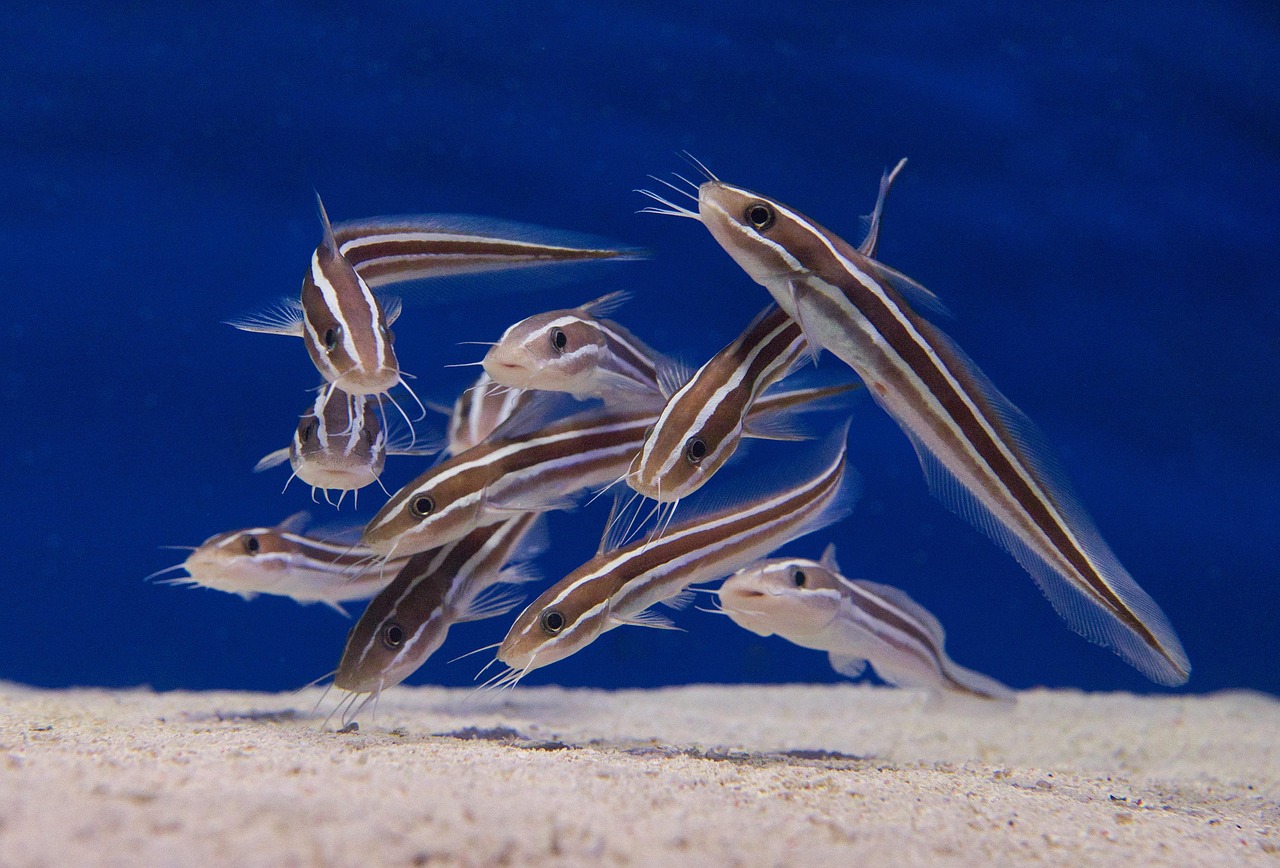
A shoal of blue green chromis is the classic “starter reef” purchase, but half of new reefers end up with three lone survivors within a year because the starting group was wrong. This blue green chromis schooling guide from Gensou Aquascaping at 5 Everton Park explains how to assemble a group that actually stays together, which sizes and tank layouts support tight shoaling, and why Chromis viridis behaves very differently at eight than at four.
About the Species
Blue green chromis reach about 8cm, live 8-15 years in captivity with good care, and originate across the tropical Indo-Pacific from East Africa to Samoa. They are damselfish but far less aggressive than their three-spot or domino relatives, and their schooling behaviour is exactly why they remain a reef staple despite being almost common.
In the wild they hover in metres-deep shoals of hundreds above branching Acropora colonies. At home, that instinct translates into a tight group only when the social and spatial conditions are right.
Why Groups Collapse
The single biggest mistake is buying three or four chromis. Within three months one dominant individual will bully the others, kill the weakest, and eventually drive off or kill the second-weakest. The survivor stands alone in the tank, patrolling a corner. This is natural behaviour caused by a group too small to diffuse dominance.
A group of seven or more distributes aggression across many targets, and the hierarchy stays fluid rather than converging on a single bully. Nine is better than seven, and eleven is close to ideal in a 400L reef.
Tank Size for Tight Shoaling
A true schooling display of 9-11 fish needs at least 400L, preferably 500L, and a horizontal swim length of 150cm or more. Shorter tanks force the group into a rectangle too narrow for proper formation and the shoal breaks into pairs.
Open mid-water is essential. A tank packed wall-to-wall with branching rockwork looks busy but leaves no cruising space for chromis. Keep the upper third of the tank mostly open above a rock scape weighted to the lower two-thirds.
Water Parameters
Chromis are tolerant by reef standards. Salinity 1.024-1.026, temperature 24-27°C, pH 8.1-8.4, and nitrate up to 15 ppm is fine. Singapore ambient room temperature makes a chiller advisable for long-term success, especially if the tank runs metal halide lighting or older T5 banks that throw heat into the sump.
They are more forgiving of cycling wobbles than most marines, which is why they became the default “break-in” fish. Even so, cycle the tank fully before adding them rather than using them as ammonia generators.
Feeding
Two to three feeds a day of a rotated diet: quality marine pellet, mysis, enriched brine, and finely chopped raw prawn or mussel. They accept almost anything, which makes them easy, but varied feeding keeps colour saturated.
Colour fades on pellet-only diets. Add a carotenoid-rich food like TDO Chroma Boost or a New Life Spectrum Thera-A at least four days a week to keep the green-blue sheen intense rather than chalky.
Tankmates
Reef safe with all corals and inverts. Good companions include small tangs, wrasses, anthias, firefish, and clownfish pairs. Avoid large aggressive damselfish like three-spots or dominos, which will harass chromis into hiding.
Predatory lionfish, groupers, and larger hawkfish see an 8cm chromis as lunch. Keep groupings based on mouth size, not species name.
Introducing the Group
Buy all chromis in one visit, ideally from a single holding tank at the shop. Mixing in new individuals after the existing group has established is the second-most-common cause of loss after starting too small. If you must add later, add at least three at once and temporarily rearrange rockwork to reset territorial memory.
Singapore shops around Pasir Ris Farmway and Clementi carry chromis at roughly $8-15 SGD per fish. A group of ten costs under $150 SGD, which is trivial compared to the rest of the reef build.
Breeding Behaviour in the Display
Mature groups in a well-run reef do spawn. The dominant male clears a rockwork patch, courts a female with shimmering displays, and guards the eggs for the two or three days before hatch. Fry rarely survive in a mixed reef, but the courtship itself is a bonus that most reefers never see because their group is too small to pair up.
Spawning is a reliable sign the group is happy. If you see it, your nutrient levels, feeding schedule, and group size are all working.
Related Reading
- First Marine Tank Checklist Singapore
- Reef Safe Fish List
- Clownfish Pair Bonding Guide
- Damselfish Aggression Management
- Reef Tank Cycling Guide Singapore
Conclusion
A proper blue green chromis shoal is one of the most satisfying mid-water scenes in reefkeeping, but it starts with group size, not water parameters. Buy nine or more, add them together, give them a 400L tank with open upper water, and feed a varied diet that keeps colour from bleaching. Cut corners on any of those and you will end up with one cranky survivor patrolling the front glass for a decade.



