
Wild Betta Breeding Guide: Bubble Nesters and Mouthbrooders
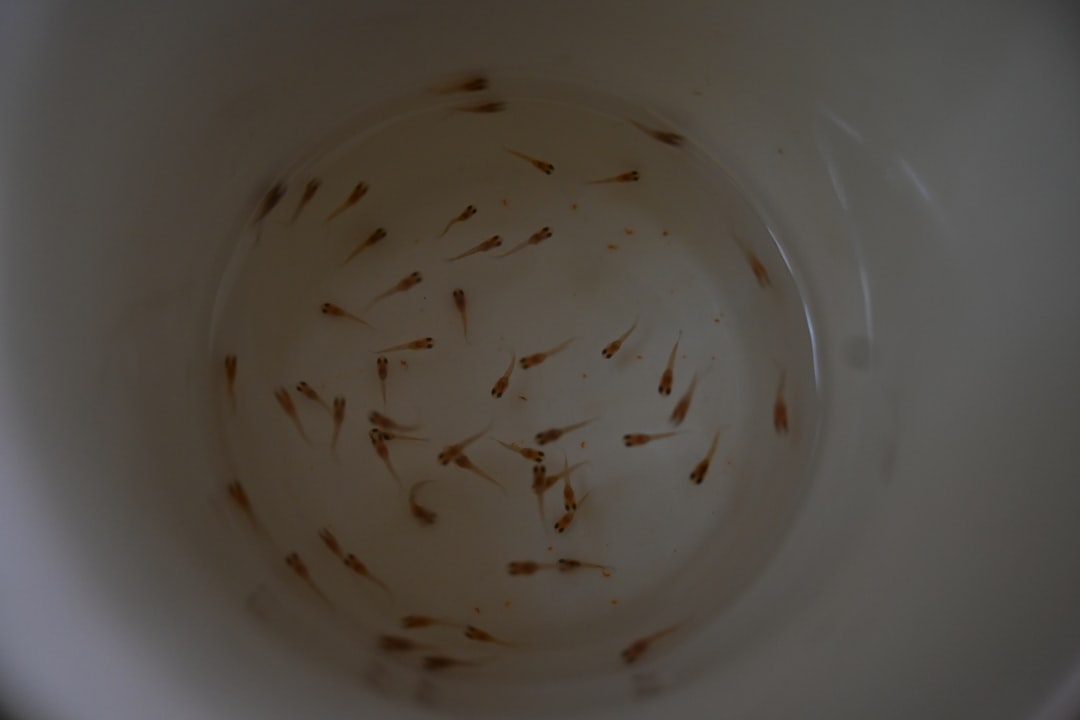
Breeding wild bettas is less about coaxing bigger fins and more about preserving tiny stream populations for the next keeper, and a careful wild betta breeding guide separates bubble nesters from mouthbrooders because their spawning biology could not be more different. Written at Gensou Aquascaping, 5 Everton Park, this walkthrough uses two decades of Singapore-based experience with both groups — Betta imbellis and smaragdina on the bubble-nester side, and Betta albimarginata, macrostoma, and channoides among the mouthbrooders. Expect detailed parameters rather than generic advice.
Bubble Nesters vs Mouthbrooders: Which You Have
Bubble-nesting wild bettas build a raft of mucous-coated bubbles under floating plants, spawn beneath it, and the male tends the nest alone. Mouthbrooders skip the nest entirely — after the embrace, the male scoops the eggs into his buccal cavity and holds them for 10-18 days until fully formed fry are released. Confusing the two wastes spawns: a new keeper who removes what they think is an aggressive mouthbrooder male ends their brood.
Check your species before buying. The splendens complex (imbellis, mahachai, smaragdina, splendens) bubble-nests. The coccina, albimarginata, and unimaculata complexes mouthbrood.
Conditioning the Pair
Condition both sexes for three weeks in separate tanks on live food. Daphnia, mosquito larvae, blackworms, and wingless fruit flies at 5-6 small feeds daily bring females into full roe. A conditioned female looks visibly pear-shaped from above with a clear white ovipositor tube protruding behind the ventrals; a conditioned male colours up intensely and flares at his own reflection.
Keep the pair in visual contact through a glass divider for 4-6 days before introduction. This primes both without stress and dramatically reduces the risk of the male killing an unready female.
Bubble Nester Spawning Setup
Use a 30-40 litre tank with 15 cm water depth, pH 5.5-6.0, soft water, 26-27 °C, and heavy surface cover from salvinia or Indian almond leaves. Place half a styrofoam cup taped to one corner — males love building their nest inside it. Turn off all filtration during spawning; a sponge filter can run at a trickle but strong current destroys the nest.
Introduce the female at lights-on. Expect chasing and bruised fins over 8-24 hours before the first embrace. A spawn yields 80-300 eggs, which the male collects and spits into the nest. Remove the female once spawning concludes (she will hide on one side of the tank) and leave the male in charge.
Mouthbrooder Spawning Setup
Mouthbrooders prefer slightly cooler, darker tanks with more cave structure. Use PVC tubes or coconut halves, 24-26 °C, pH 5.0-6.0, and very dim lighting. Betta macrostoma in particular requires almost ice-cold (by Singapore standards) 23-24 °C water, which means running a chiller.
Spawning embraces happen on the substrate. The female releases eggs into her ventral fins as a cup, the male fertilises them, and she spits them one by one for him to collect in his mouth. A male holding eggs will not feed for the full brood period — do not try to coax him. Leave the female in the tank; she guards his territory from intruders.
Hatching and Fry Release
Bubble-nester fry hatch in 36-48 hours and become free-swimming at day four. At this point remove the male; he stops guarding and may start eating the fry. Mouthbrooder males release free-swimming fry after 10-18 days depending on species — albimarginata at 10-12 days, macrostoma up to 18. Released fry are much larger and can eat baby brine shrimp immediately.
Fry Rearing Schedule
Bubble-nester fry need microscopic first foods: infusoria or commercial liquifry for the first 5-7 days, then vinegar eels and microworms, baby brine shrimp from day 10. Mouthbrooder fry jump straight to baby brine shrimp. Daily 10 per cent water changes with aged tap water at matched temperature keep bacterial levels low in the shallow fry tank.
Expect 3-5 months to sexable size and 6-9 months to breeding size. Separate males at first signs of sparring, usually around 3 cm body length.
Preserving Locality Integrity
Every wild betta has a collection locality, and serious breeders treat these like pedigree records. Never cross imbellis from Penang with imbellis from Phuket; genetically they are distinct populations and hybrid offspring pollute the hobby gene pool. Label every tank with species, locality, and generation (F1, F2, F3) and share this data when selling fry.
Pair each of your lines with an unrelated keeper’s stock every two generations. Singapore’s wild betta community is small — about 15-20 active breeders — and coordinating through Carousell groups or specialist Facebook pages keeps bloodlines fresh.
Related Reading
- Wild Betta Species Care Guide
- Betta macrostoma Care and Cool Water Setup
- Brine Shrimp Hatchery Guide
- Blackwater Aquarium Setup Guide
- Beginner Breeding Tank Setup Guide
Conclusion
A good wild betta breeding guide teaches you to identify bubble nesters from mouthbrooders, condition patiently, match water to species, and document every spawn back to its wild origin. The reward is watching a 14-day-old macrostoma male spit his first brood into a shaded corner of your tank — a moment no bred strain can match. Gensou Aquascaping can point Singapore breeders toward reputable locality stock when you are ready to start.



