
Rotala Macrandra Variants Comparison: Green, Red, Mini Butterfly
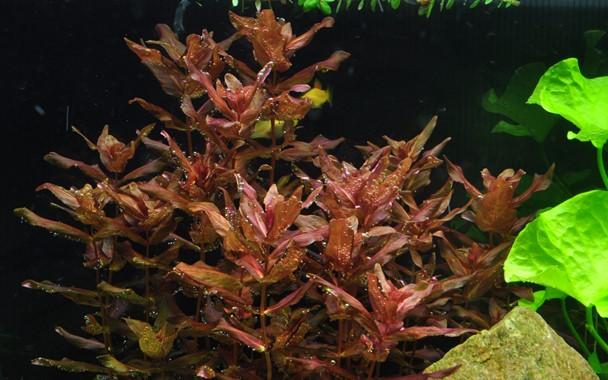
Rotala macrandra is a confusing plant. Under that single name sit at least six distinct trade forms, each with its own leaf shape, colour potential and tolerance for imperfect water. This Rotala macrandra variants comparison from Gensou Aquascaping at 5 Everton Park sorts the major forms — Red, Green, Mini Butterfly, Narrow Leaf and Type IV — by their actual requirements and appearance, so you buy the plant you intend rather than whatever the nursery label happens to read.
Quick Facts
- All variants originate from R. macrandra; some are now reclassified separately
- Red (classic): large 3-5cm leaves, deep magenta-red; demanding high-tech
- Green: lime to olive leaves; tolerates lower light than red form
- Mini Butterfly (Mini Type II): compact mid-ground, pink-magenta
- Narrow Leaf: thin lance leaves, orange-red to crimson
- Type IV: broader leaves, salmon-pink to red-orange
- All variants need CO2 injection for presentable colour in Singapore tanks
Macrandra Red: The Classic Benchmark
Classic Rotala macrandra “Red” is the plant most people picture — large opposite leaves 3-5cm, glowing deep red under strong light, reaching 30-50cm tall. It demands 60-80 PAR, 30 ppm CO2, EI-level dosing with emphasis on phosphate (1-2 ppm weekly) and a stable soft water profile. Tanks with KH above 4 push it toward washed-out pink.
This variant melts with poor CO2 stability. A single missed gas cylinder swap triggers lower-leaf drop within a week. In Singapore heat it thrives only in chilled tanks — 25-26°C gives full colour; 28°C causes leggy growth.
Macrandra Green
The green form is a misleading name — it is not a separate species but a low-nitrate expression of the same plant, now stabilised as a distinct cultivar. Leaves stay lime to olive, occasionally blushing peach at the apex. It tolerates 40-60 PAR, which puts it within reach of mid-strength LED setups.
Use it as a contrast plant behind red stems. Paired with Ludwigia super red or Rotala Blood Red, Green macrandra creates the chromatic break that prevents mid-ground mush.
Mini Butterfly (Mini Type II)
Mini Butterfly is the compact mid-ground form, reaching 10-20cm with leaves 1-1.5cm across. Colour ranges from pink-magenta under strong light to dull mauve under medium light. It bushes densely when topped, making it useful as a layered mid-ground between carpet and tall red stems.
Care demands are slightly softer than classic Red — 50-60 PAR and 25-30 ppm CO2 produce good results. It handles PUB tap water at Singapore hardness without remineralisation tweaks. Trim frequently; left alone it lies flat rather than growing upright.
Narrow Leaf Macrandra
Narrow Leaf R. macrandra — sometimes sold as “Macrandra Narrow” or simply mislabelled as R. rotundifolia variants — has lance-shaped leaves 2-3cm long and a distinctly orange-red tone rather than the magenta of classic Red. It grows taller and more branching than the standard form, suiting background use in larger tanks.
Its CO2 demand is equal to classic Red but it tolerates slightly more movement in nitrate and phosphate. A useful alternative when you want red stem colour without the maintenance ceiling of classic Red.
Type IV
Macrandra Type IV is the oddball. Broader leaves (4-6cm), salmon-pink to red-orange tones, and a growth habit that spreads outward rather than upward. It is often mislabelled as Type III or simply “Macrandra Pink”. Under strong lighting with good iron supplementation (0.2 ppm weekly), Type IV produces one of the most distinctive mid-ground colours available.
It is less common in Singapore stores. Green Chapter and Iwarna stock it occasionally at $8-15 per pot.
Water Chemistry Across Variants
All macrandra variants prefer soft acidic water. Target pH 5.8-6.8, GH 3-8, KH 1-4. Singapore PUB tap is comfortable for most. Hard alkaline water causes stunted apical growth in all forms except Green, which tolerates KH up to 6 before colour loss sets in.
Temperature must stay below 28°C for colour retention. A chiller holding 25-26°C is realistic for HDB setups running these plants.
Fertilisation Nuance
Macrandra variants are phosphate-hungry. Most keepers running EI at 0.5 ppm PO4 weekly see improved colour by dosing 1-2 ppm instead. Nitrate should sit at 10-15 ppm — lower than typical EI targets — to push anthocyanin production. Iron at 0.2 ppm weekly sharpens red tones.
Potassium excess (above 20 ppm) causes pinhole leaves in all variants. Monitor through test kits or by response to reduced dosing.
Choosing a Variant for Your Tank
For a showcase 60P with full high-tech support, classic Red is the benchmark. For a mid-range tank with moderate light, Green and Mini Butterfly are more forgiving. For a larger background sweep, Narrow Leaf covers ground. For aquascapers who want visual distinction, Type IV is worth hunting down. None are beginner plants — all require CO2 and disciplined fertilisation to look like the catalogue photographs.
Related Reading



