
Endler Guppy Line Breeding Guide: Keeping Strains Pure
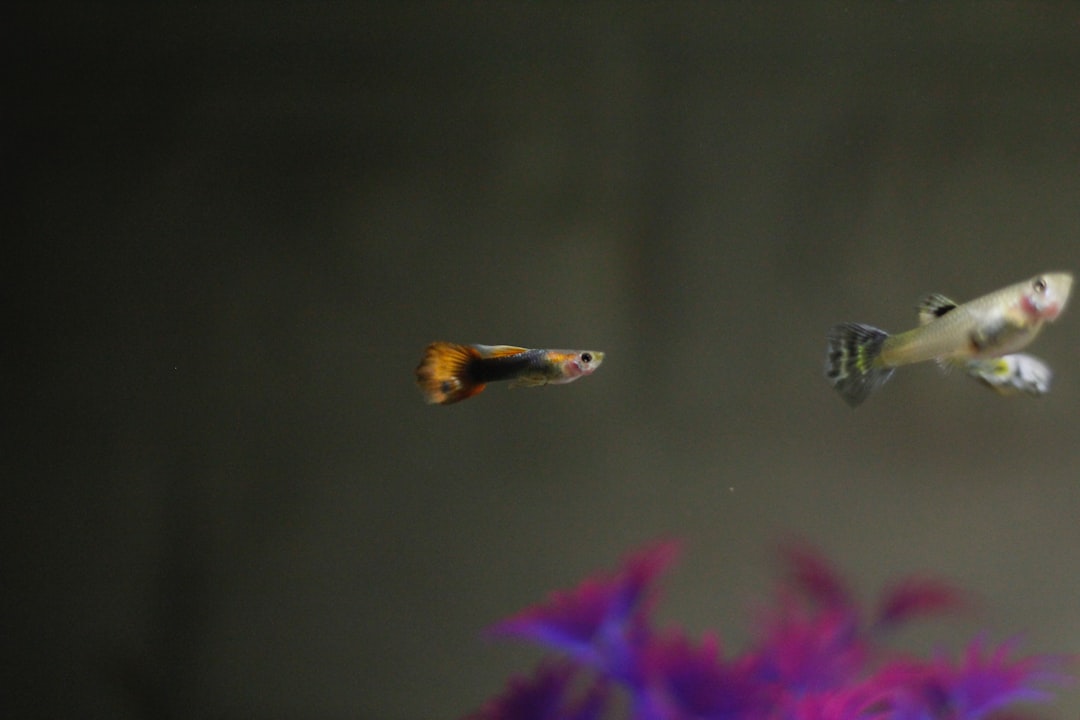
True Endlers from the Laguna de Patos in Venezuela are smaller, faster and more intensely coloured than fancy guppies, but their reputation is fragile because they hybridise with Poecilia reticulata the moment the two meet. This endler guppy line breeding guide from Gensou Aquascaping at 5 Everton Park is written for Singapore keepers who want to preserve N-class lines such as Black Bar, El Tigre and Japan Blue across generations. The rules are strict and the rewards are a strain that still looks the same ten drops from now.
Quick Facts
- Scientific name: Poecilia wingei, distinct species from P. reticulata
- Purity grades: N-class (pure), K-class (unknown), P-class (Endler hybrid)
- Sexual maturity: females 8-10 weeks, males 6-8 weeks
- Virgin separation age: 3-4 weeks to guarantee no prior insemination
- Gestation: 23-26 days at 26 degC; broods 10-30 fry
- Sperm storage: females retain viable sperm for 6-8 months
- Line-breeding ratio: typically one male to 2-3 females per breeding group
Why Purity Is Fragile
A female Endler inseminated once by a fancy guppy will throw hybrid fry for the rest of her life. That is the single fact that drives every decision in an Endler programme. Sperm is stored in folds of the ovary, released slowly to fertilise successive broods. A rescue fish from an unknown source, even one that looks correct, can quietly pollute a line if she has met a reticulata male at any point. Assume impurity unless the fish came from a documented breeder.
Understanding N, K and P Classes
The class system was formalised by breeders led by Adrian Hernandez to protect genuine stock. N-class means traceable ancestry to wild Venezuelan imports, usually the Alexander Lang or Armando Pou collections. K-class fish look like Endlers but lack paperwork. P-class are known hybrids, often sold as fancy Endlers in shops. Only N-class fish enter a preservation line; keep K-class in a separate rack for display if you wish, but never mix.
Virgin Female Protocol
Separation at three weeks is the earliest reliable point, before the gonopodium fully develops on males. Sex fry under a jar held over a torch: males show early colour flecks and the pre-gonopodium as a slight modification of the anal fin, females remain plain. Move suspected females into a dedicated grow-out before week four. Anyone who says you can sex Endlers at six weeks and still guarantee virgin status is setting up for a pollution event.
Setting Up Breeding Groups
Use a 40-50 litre tank with moderate planting, typically Java moss and hornwort, which gives fry cover and lets you pull the pregnant female later. Water around 25-26 degC, GH 8-12, pH 7.2-7.8. Endlers tolerate soft Singapore tap water but colour deeper in slightly harder water, so most local breeders remineralise with a pinch of Seachem Equilibrium. One dominant male per breeding trio reduces female harassment and lets you attribute paternity.
Tracking Generations and Culling
A notebook or spreadsheet matters more than any equipment. Record parent IDs, drop date, fry count, and mark which fry were selected for the next generation. Cull at two points: obvious deformities at four weeks, and off-type colour patterns at eight weeks. Retaining only the top 15-25 per cent of each brood tightens the line quickly. Be ruthless with males that show fancy-guppy traits such as oversized dorsals, skirted caudals or delta tails; those are escape signatures of hybrid ancestry.
Line-Breeding Schemes
Three common patterns work for Endlers. Father-to-daughter: pair the founder male with F1 daughters, producing F2 with higher homozygosity. Brother-to-sister: simpler, faster homogenisation, but drift is hard to correct. Rotational: three separate lines A, B, C with males rotating A to B to C to A every two generations, which holds vigour while keeping colour tight. Most Singapore breeders use rotational after F3 to avoid the fertility collapse that close inbreeding produces by F5.
Singapore Sourcing and Water
Verified N-class stock in Singapore is rare but obtainable. Look for breeders advertising on the Singapore Livebearers Facebook group, and ask for lineage notes before buying. Retail shops often label P-class fish as Endlers without distinction. Tap water from PUB runs soft at GH 2-4, fine for survival but underwhelming for colour; remineralise to GH 8-10 using a half dose of rift lake salt or Equilibrium. Keep rooms at 26-28 degC; a small fan over the sump is usually enough.
Signs Your Line Is Drifting
Watch for creeping phenotype changes. The black bar getting shorter, orange turning yellow, male body shape lengthening toward fancy-guppy proportions, brood sizes climbing above 30 regularly. These all suggest either introgression from a stray male or accumulated selection for the wrong traits. If you catch it early, outcross to a second pure N-class line of the same strain from another breeder; if you miss it, the strain is lost and must be restarted.
Record Photography
Photograph the best male of each generation against a neutral grey card, same lighting, same distance. Over five years the drift between F1 and F10 is often invisible week to week but obvious in photos. This is the cheapest quality-control tool a line breeder has and the one most people skip.
Related Reading



