
Powder Blue Tang Care Guide: Ich Risk and Husbandry
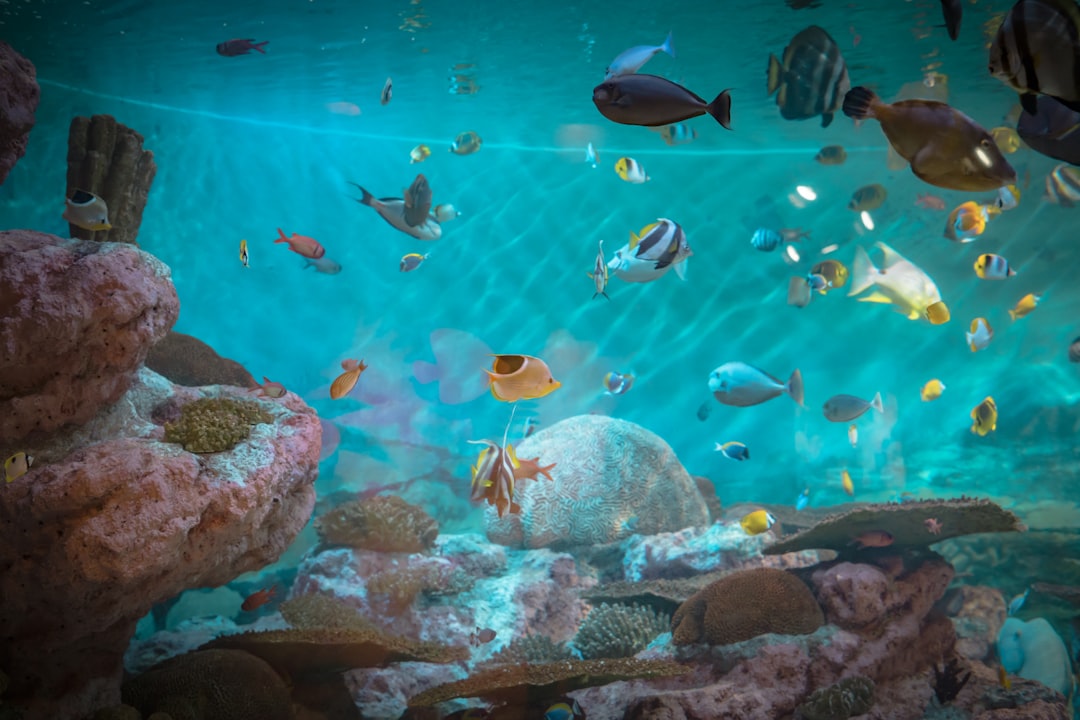
Acanthurus leucosternon is possibly the most beautiful surgeonfish in the trade, and also one of the most likely to kill itself by catching ich within a fortnight of purchase. This powder blue tang care guide from Gensou Aquascaping in Singapore is written around that single reality: if you cannot commit to a full quarantine and a large, stable tank, choose a different species. Everything else in husbandry hinges on that decision.
Quick Facts
- Scientific name: Acanthurus leucosternon
- Adult size: 23-25cm in captivity
- Minimum tank: 680 litres (180 gallons), 6ft length
- Temperament: semi-aggressive, highly intolerant of other Acanthurus
- Reef safe: yes
- Diet: heavy herbivore, constant grazer
- Care level: advanced only, strict quarantine required
Why Ich Is the Defining Risk
No common marine fish contracts Cryptocaryon irritans faster than a stressed powder blue. Collection from Sri Lanka or the Maldives involves long handling, shipping under 25 degrees C and arrival into retail systems already carrying parasites. The fish typically shows white spots within five to ten days of import.
The safest route is tank-transfer method quarantine over 12 days combined with copper power at therapeutic levels (2.0-2.5 ppm Copper Power) for 30 days. Skipping this step is not optional, it is the single biggest reason powder blues die in home tanks.
Tank Size and Layout
A 6ft tank is the minimum and a 7-8ft tank is better. Powder blues patrol constantly and a short footprint creates the turn-based fin erosion that kills them slowly. In Singapore HDB installations, floor loading caps many hobbyists at 1.5m, which means either a custom-built low-profile 2m tank or accepting this is not your species.
Open swimming lanes matter more than rock volume. Build two rock pillars at each end and leave the centre sand bed clear. Flow should be strong, 25-40 times turnover, via two opposing gyre pumps.
Water Parameters
Keep temperature tight at 25-26 degrees C. Singapore ambient pushes unchilled tanks to 29 degrees C in afternoons, which is survivable but increases stress and parasite susceptibility. A 1/4 HP chiller is realistic for a 700 litre reef here.
Salinity at 1.025, pH 8.1-8.4, alkalinity 8-9 dKH, nitrate below 5ppm and phosphate below 0.05ppm. Powder blues show HLLE quickly at nitrate above 15ppm.
Diet and Feeding Frequency
Herbivore pellets, a full sheet of nori clipped daily, and grazing on natural algae across live rock. Feed four to five times a day rather than two large meals. An empty gut in this species leads rapidly to emaciation, which is often confused with ich recovery.
Add mysis shrimp and LRS Reef Frenzy twice a week for protein and fatty acid variety. Soak food in Selcon, VitaChem or garlic extract to support immune response, particularly in the first six months post-quarantine.
Tank Mates
One powder blue per tank. No other Acanthurus, no sailfin, no scopas, no purple tang in anything under 900 litres. Compatible neighbours include clownfish, wrasses, cardinals, firefish, gobies and dwarf angels.
Add the powder blue last or second-to-last to the system. An established territory holder will attack it on sight, and conversely a powder blue that establishes first may bully even much larger fish added later.
Acclimation Protocol
Drip acclimation for 90 minutes in a dim room, then straight into a 150 litre quarantine tank with matched parameters. Never pour shop water into the display. Start copper after 48 hours of observation and feed lightly from day one to keep the gut active.
Transfer from quarantine to display only after a full 30-day copper course plus a week of observation in clean water. Rushing this is the commonest failure mode in Singapore reef forums.
Common Health Problems
Cryptocaryon (ich) and Amyloodinium (marine velvet) are the two killers. Velvet is often fatal within 48 hours and presents as a dusty grey sheen and rapid gill breathing. Treatment is chloroquine phosphate or a clean copper course in quarantine.
HLLE appears as pitted erosion around the eyes and lateral line. Cause is usually chronic nitrate, poor diet or stray voltage. Correct all three and the erosion slowly regenerates over six to twelve months.
Sourcing in Singapore
Expect 280-600 SGD depending on size and origin. Maldives collection tends to arrive in better condition than Sri Lankan stock. Iwarna, Aquarium Artist and select Pasir Ris Farmway shops bring them in regularly. Ask to see the fish eating before deposit, and insist on a 7-day guarantee.
Long Term Expectations
A well-kept powder blue lives 10-15 years and holds its colour indefinitely. The first six months determine everything. Get quarantine right, keep the tank stable, feed heavily, and this species rewards the effort with a centrepiece fish that few local reefkeepers manage successfully.
Related Reading
How to Quarantine Marine Fish
Marine Ich Treatment Guide
Marine Velvet Treatment
Drip Acclimation for Marine Fish
Yellow Tang Care Guide



